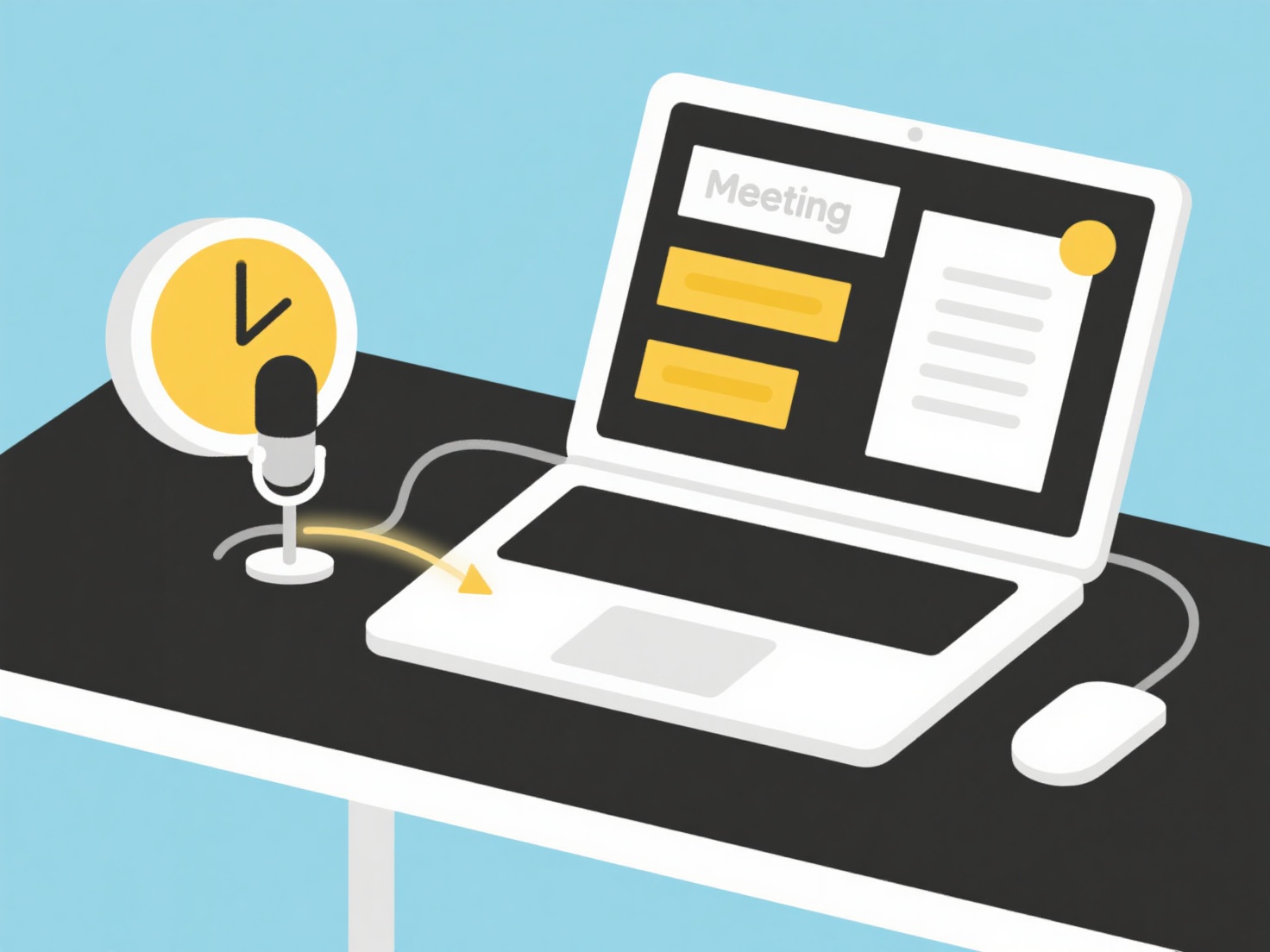
To reduce time spent on meeting notes for a research paper, you should automate the transcription process using AI tools, stick to a standardized template, and focus only on actionable takeaways rather than verbatim dialogue.
Research meetings with your advisor or lab group are critical for moving your paper forward, but writing up the minutes can easily eat into your actual research time. By streamlining your note-taking strategy, you can capture essential feedback and next steps without spending hours typing up summaries.
Automate with Transcription Tools
The easiest way to save time is to stop taking manual notes during the meeting. Use AI transcription software or the built-in recording features of your video conferencing platform to capture the conversation. This allows you to stay fully engaged in discussing your methodology or literature review, relying on the automated transcript to generate a quick summary of the discussion afterward.
Use a Standardized Meeting Template
Never start with a blank page. Create a simple, reusable template for your research collaboration meetings. A highly effective structure includes:
- Agenda/Goal: What the meeting is about (e.g., finalizing the introduction, reviewing data).
- Key Decisions: Methodological choices, scope adjustments, or structural changes agreed upon.
- Action Items: Specific tasks assigned to you or your co-authors, complete with deadlines.
Having this framework ready before the meeting means you only need to fill in the blanks rather than structuring your thoughts from scratch.
Focus on Outcomes, Not Dialogue
Academic discussions can be dense and meandering. When writing your notes, avoid transcribing the entire thought process or debate. Instead, distill the conversation down to concrete research decisions and action items. If your advisor suggests looking into a new theoretical framework, simply note the framework's name and the specific action item to conduct a literature search.
Centralize Notes Within Your Research Workspace
Time is often wasted trying to match meeting feedback to the actual documents you are working on. Keep your notes in the same place you store your references and drafts. For example, by using WisPaper's AI Copilot, you can keep your meeting notes organized on a smart canvas directly alongside the complex papers you are analyzing. This ensures that when your advisor recommends a specific paper or suggests a revision to your argument, you can immediately connect that feedback to your reading list without juggling multiple applications.
By automating the heavy lifting and keeping your notes outcome-focused, you can turn your research meetings into productive stepping stones rather than administrative burdens.