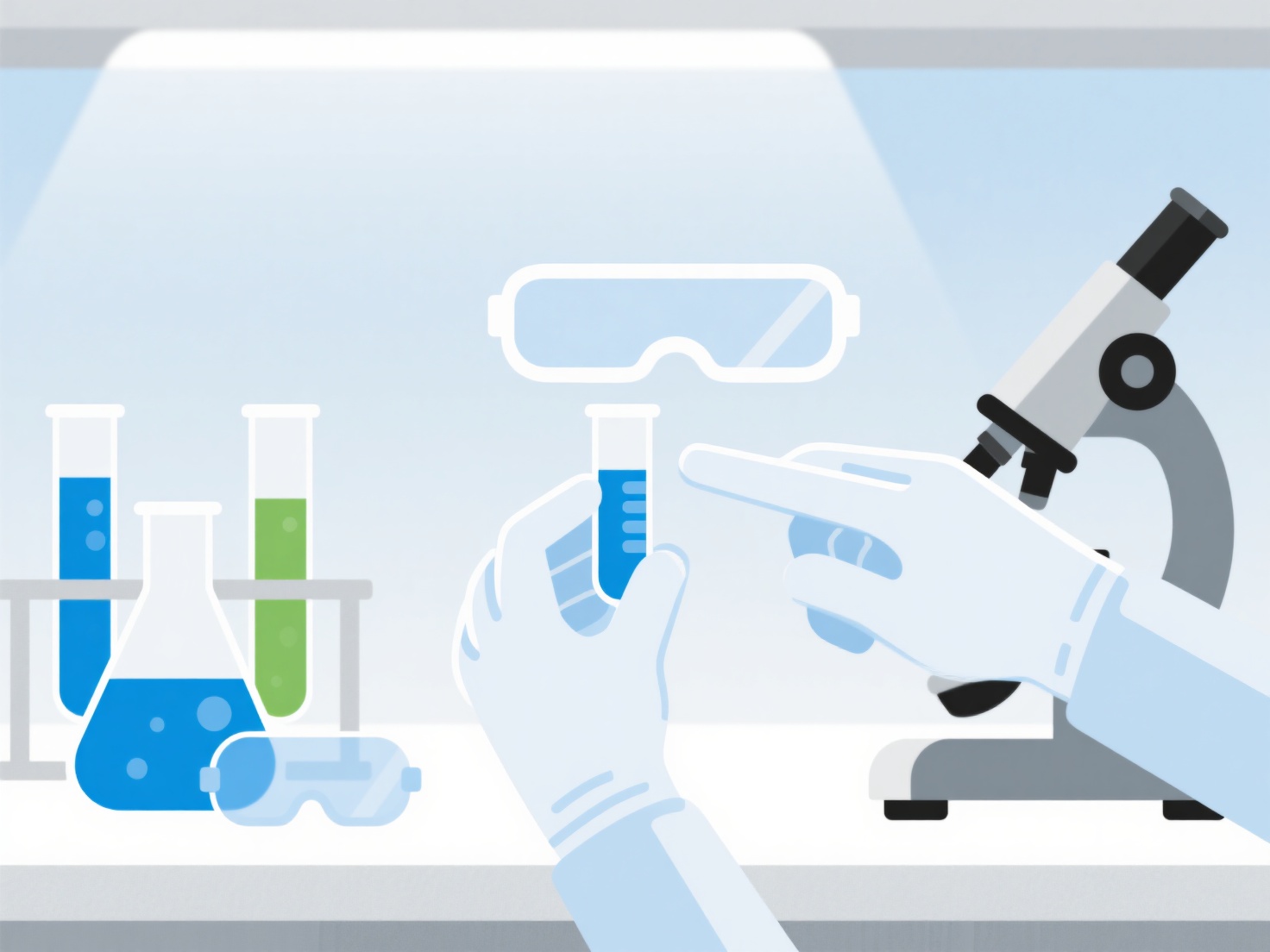
To stay organized and productive in your lab work, you should meticulously plan your experiments in advance, maintain an updated lab notebook, and optimize your daily time management.
Whether you are a first-year graduate student or an early-career researcher, balancing bench work with data analysis can quickly become overwhelming. Implementing a structured approach to your daily laboratory routine prevents burnout, reduces errors, and ensures your scientific results are highly reproducible.
Plan Experiments Before Entering the Lab
Never walk into the lab without a clear, step-by-step protocol. Write down your procedures, calculate buffer concentrations, and identify the necessary reagents the day before you begin. If you are adapting a methodology from a published study, WisPaper's PaperClaw feature can help by analyzing the uploaded paper PDF and automatically generating a full experiment reproduction plan, saving you hours of manual protocol drafting. Having a solid plan prevents mid-experiment panic and reduces costly mistakes.
Master Your Lab Notebook
Your lab notebook is the most critical tool for your scientific research. Document everything as it happens, including lot numbers, exact volumes used, deviations from the original protocol, and unexpected observations. Whether you prefer a traditional physical notebook or an Electronic Lab Notebook (ELN), make it a habit to update your records daily so you never lose crucial data to a faded memory.
Optimize Your Bench Time
Lab work often involves long waiting periods, such as incubation times, centrifuging, or running gels. You can maximize your productivity by using these gaps strategically. While waiting for a timer to go off, use the downtime to analyze previous data, prepare reagents for your next step, or organize your reference library. Additionally, batching similar tasks—like doing all your cell culture feeding at once—minimizes setup and cleanup time.
Keep a Clean and Labeled Workspace
A cluttered bench easily leads to cross-contamination, misplacing samples, and unnecessary stress. Always label your tubes and flasks clearly with the date, contents, and your initials. At the end of every day, take five minutes to wipe down your workspace, restock pipette tips, and properly store reagents. A clean bench guarantees you can start your next day of research efficiently.
Review and Adapt Weekly
Set aside dedicated time at the end of each week to review your experimental results and outline the upcoming week's schedule. Troubleshooting failed experiments immediately helps you adjust your protocols and prevents you from repeating the same methodological errors. Regular reflection ensures your daily lab work aligns with your broader research goals.