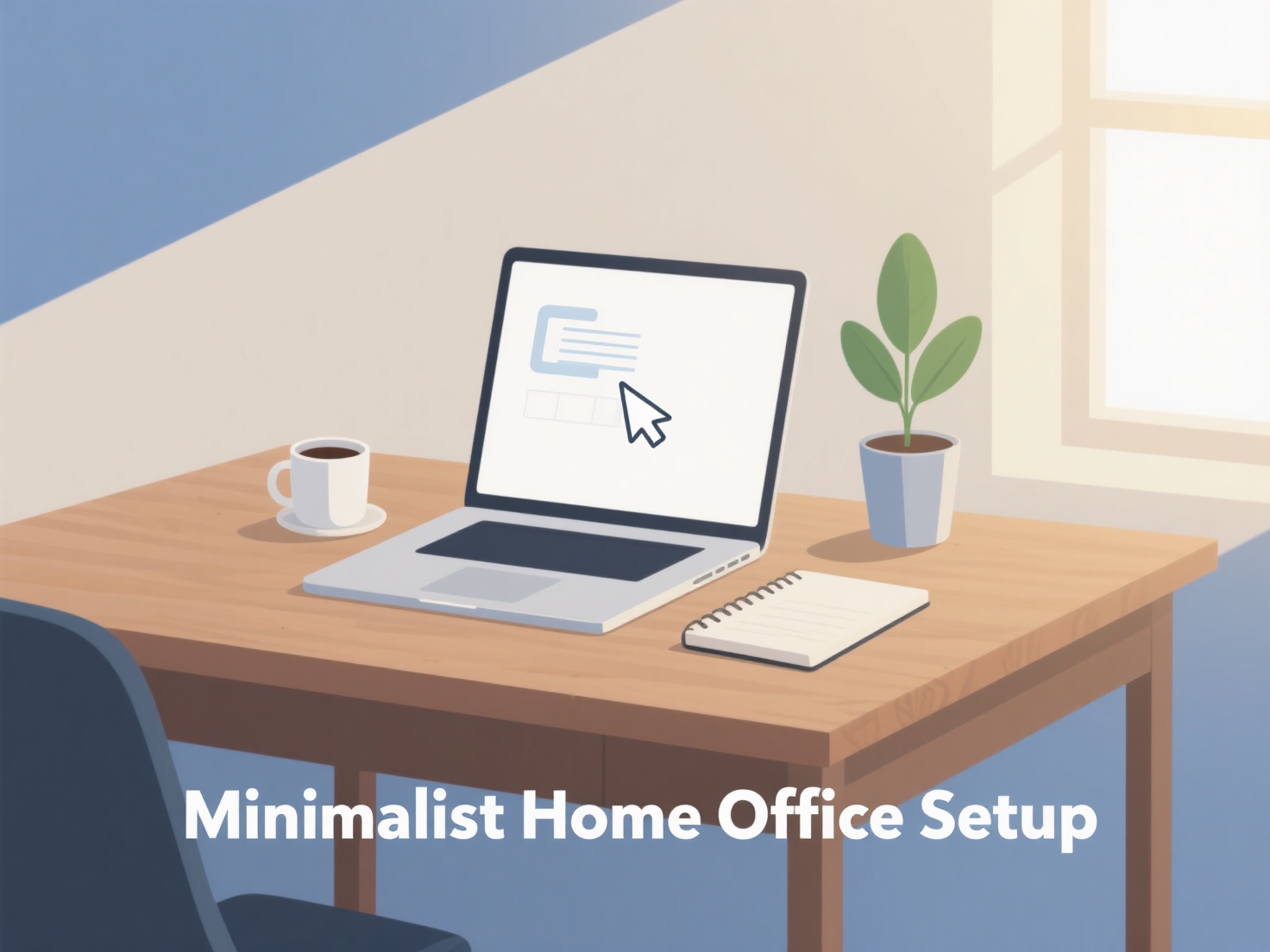
To stay productive while working from home, establish a dedicated workspace, maintain a consistent daily routine, and actively manage digital distractions to separate your personal and professional life.
For graduate students and early-career researchers, transitioning away from the structured environment of a lab or campus library can be jarring. Without physical boundaries, work and personal time easily blur together. Here are the most effective strategies to maintain your focus and research momentum from home.
Create a Dedicated Workspace
Your brain relies on environmental cues to shift into "work mode." Set up a specific area in your home exclusively for research, reading, and writing. Even if you lack a spare room for a proper home office, dedicating a specific desk or a quiet corner helps signal to your brain that it is time to focus. Avoid working from your bed or couch, as this can negatively impact both your posture and your sleep hygiene.
Stick to a Consistent Schedule
Without the natural rhythm of campus life, time management becomes your most critical skill. Treat your remote work days like regular office hours. Wake up at the same time, get dressed, and define clear start and end times for your workday. Use time-blocking to dedicate your peak energy hours to deep work, such as drafting manuscripts or analyzing complex data, while leaving administrative tasks for the afternoon.
Automate Your Research Updates
A major productivity killer at home is falling down the rabbit hole of endless, unstructured literature searches. Instead of manually scouring databases and losing hours to screen fatigue, you can manage information overload by using WisPaper's AI Feeds to get a daily push of new papers matching your specific research interests. Automating how you track new research frees up your mental energy for actual reading and writing rather than just searching.
Take Intentional Breaks
Remote work productivity often suffers because people forget to step away from their monitors. Staring at a screen for hours leads to cognitive fatigue and burnout. Implement the Pomodoro technique—working in focused 25-minute sprints followed by a 5-minute break. Use these breaks to physically leave your workspace, stretch, or grab a glass of water.
Set Clear Boundaries
If you share your living space with family or roommates, communicate your working hours clearly. Establish visual cues to indicate when you are in deep focus, such as wearing noise-canceling headphones or keeping your office door closed. Protecting your time is essential for maintaining a healthy work-life balance and keeping your research on track.