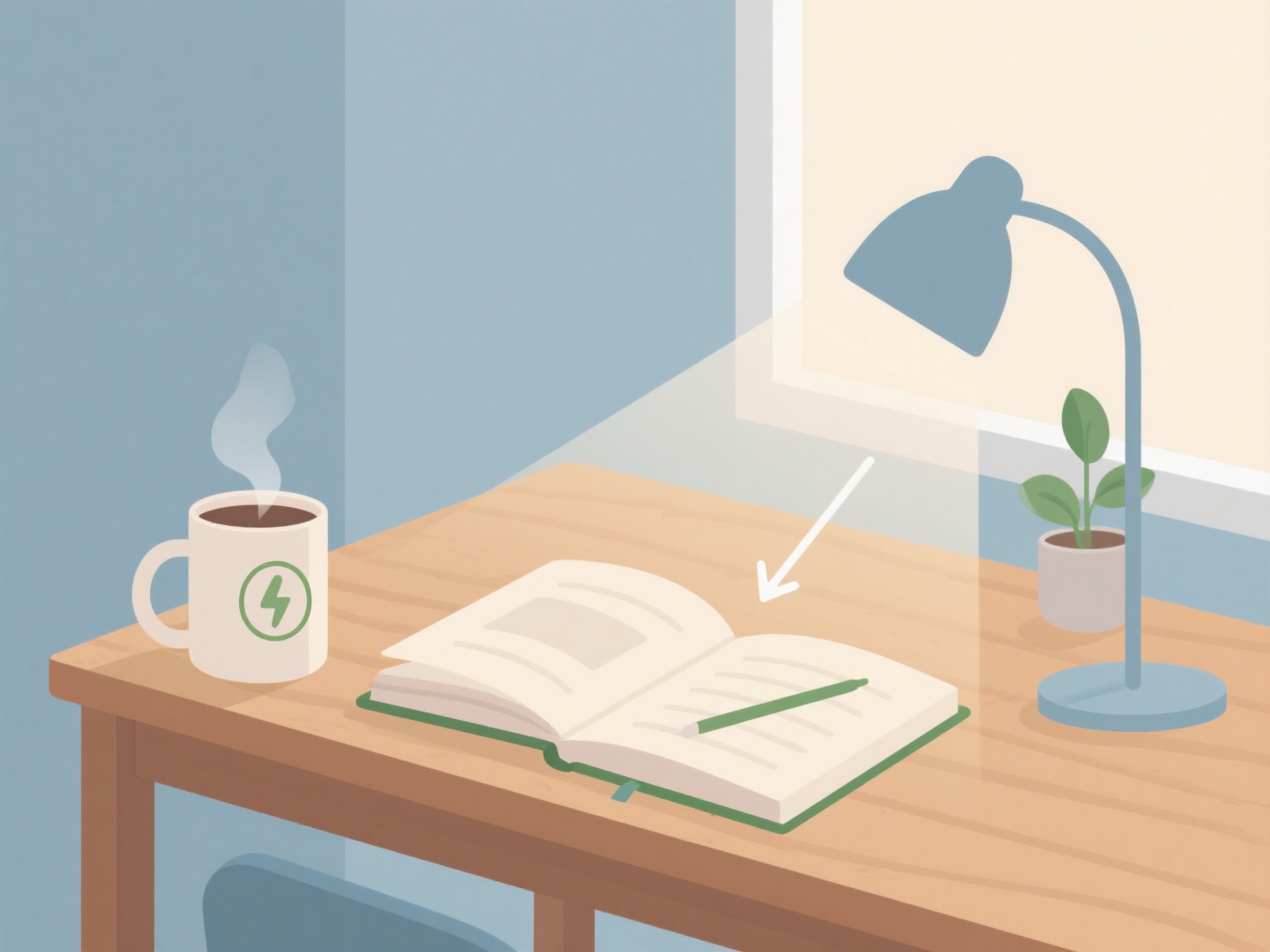
To save energy during academic writing sessions, you should structure your work using short, focused time blocks, separate the drafting process from editing, and minimize context-switching. Writing a research paper or dissertation is a cognitive marathon, and managing your mental stamina is just as critical as managing your time to avoid academic burnout.
By adopting a few strategic habits, you can maintain your productivity without feeling completely drained at the end of the day.
Work in Focused Time Blocks
Staring at a blank document for hours is a guaranteed way to deplete your energy. Instead, use the Pomodoro Technique or similar time-blocking methods. Write with intense focus for 25 to 45 minutes, followed by a strict 5-to-10-minute break. Step away from your screen, stretch, or grab a glass of water. These micro-breaks give your brain time to recover, allowing you to sustain your writing routine over a much longer period.
Separate Drafting from Editing
One of the fastest ways to exhaust yourself is trying to write the perfect sentence on the first try. Your brain uses different cognitive processes for creating content and critiquing it. During your writing sessions, give yourself permission to write a messy first draft. Turn off your spell-checker and ignore awkward phrasing. Save the heavy editing, formatting, and proofreading for a separate session when your creative energy is naturally lower.
Eliminate Context-Switching
Jumping between your manuscript, a dozen open PDF tabs, and a search engine forces your brain to constantly refocus, which rapidly drains your mental battery. Try to gather your notes and outline your main points before the session begins. If you realize you are missing a source while typing, leave a placeholder rather than breaking your flow to search for it, or rely on a tool like WisPaper's TrueCite to automatically find and verify your citations without pulling you out of the drafting zone. Keeping your focus strictly on the text will significantly lower your cognitive load.
Stop While You Still Have Momentum
Many researchers write until they are completely out of ideas, which makes starting the next day feel incredibly daunting. Try the "parking downhill" method: end your writing session while you still know exactly what comes next. Jot down a quick bullet point or a half-finished sentence about what you plan to say in the following paragraph. When you sit down for your next session, you can immediately pick up the thread, saving the mental energy usually required to overcome writer's block.