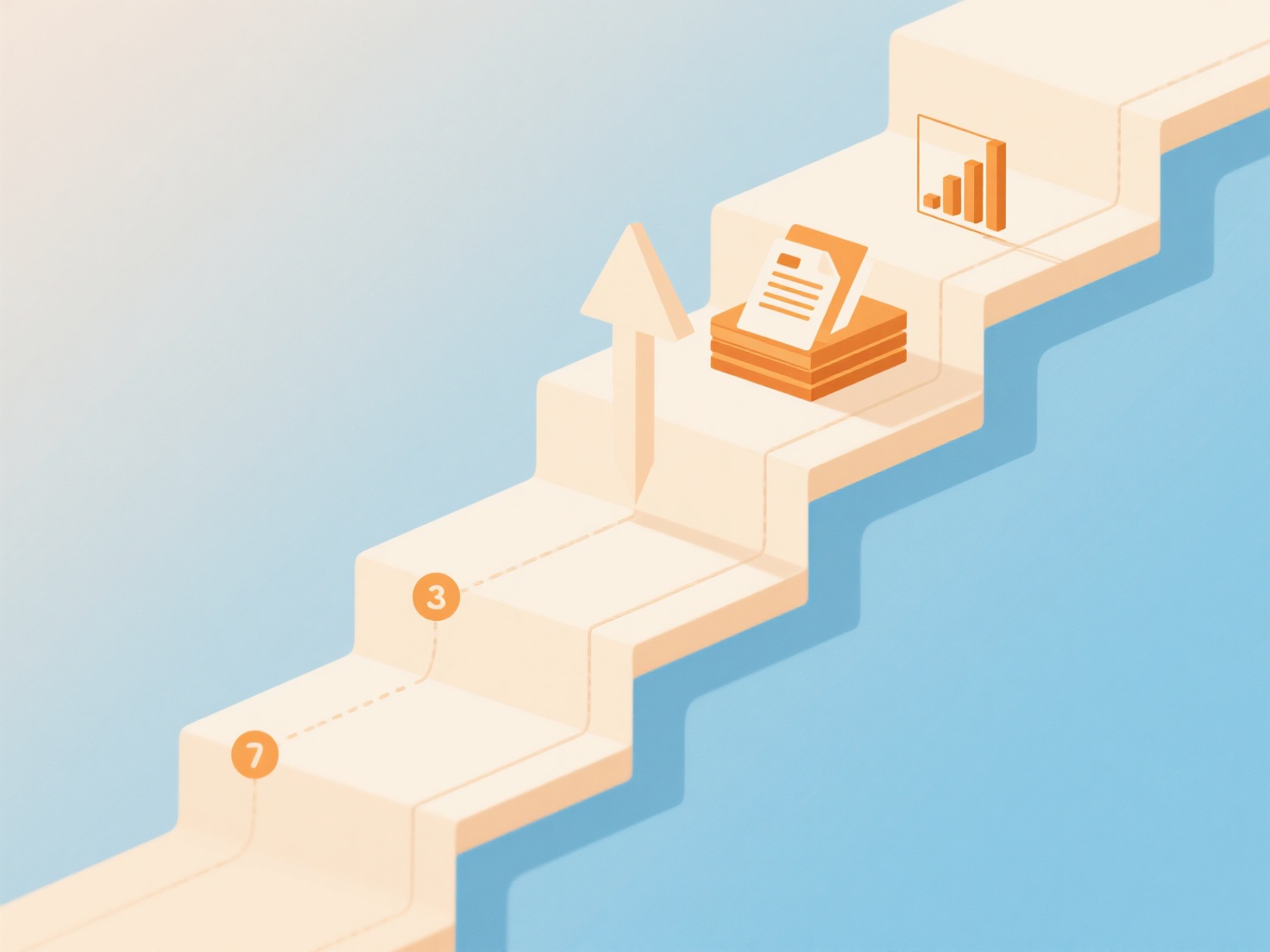
To track progress on a research project effectively, you need to break your overarching goals into smaller milestones, use visual tracking tools, and maintain an organized log of your daily work and literature.
Because academic research is a marathon, relying solely on your memory or a simple to-do list often leads to overwhelm. By implementing a structured project management system, you can maintain momentum, meet your deadlines, and reduce stress.
Define Clear Milestones
Start by dividing your entire research project into distinct phases, such as the literature review, methodology design, data collection, data analysis, and drafting. Assign realistic deadlines to each phase. Breaking a massive project like a master's thesis or dissertation into weekly, actionable tasks makes the workload feel much more manageable and gives you clear targets to hit.
Use Visual Tracking Tools
Adopt a project management framework that fits your working style. Many researchers use Kanban boards (via tools like Trello or Notion) with simple columns for "To Do," "In Progress," and "Completed." Moving a task from left to right provides a clear, visual indicator of your academic progress. Alternatively, Gantt charts are excellent for mapping out overlapping tasks and visualizing long-term project timelines.
Maintain a Daily Research Log
Keep a running document or lab notebook where you record what you accomplish each day. Note down any challenges faced, bugs in your code, unexpected results, or sudden ideas. This continuous log not only proves that you are making forward progress on slow days, but it also becomes an invaluable resource when you finally sit down to write your methodology or discussion sections.
Organize Your Literature Systematically
A major bottleneck in tracking academic progress is losing control of your reading list. You need a reliable system to track which papers you have skimmed, which you have deeply analyzed, and which you plan to cite. To streamline this, WisPaper's My Library functions as a Zotero-style manager that organizes all your references in one place and allows you to chat with your uploaded papers via AI, making it easy to retrieve key insights without having to reread the entire document.
Schedule Weekly Reviews
Set aside 15 minutes at the end of every week to review your progress. Assess which tasks took longer than expected, update your tracking board, and plan your priorities for the upcoming week. Regular check-ins with yourself—or your academic advisor—help you catch timeline slips early and keep your research project moving in the right direction.