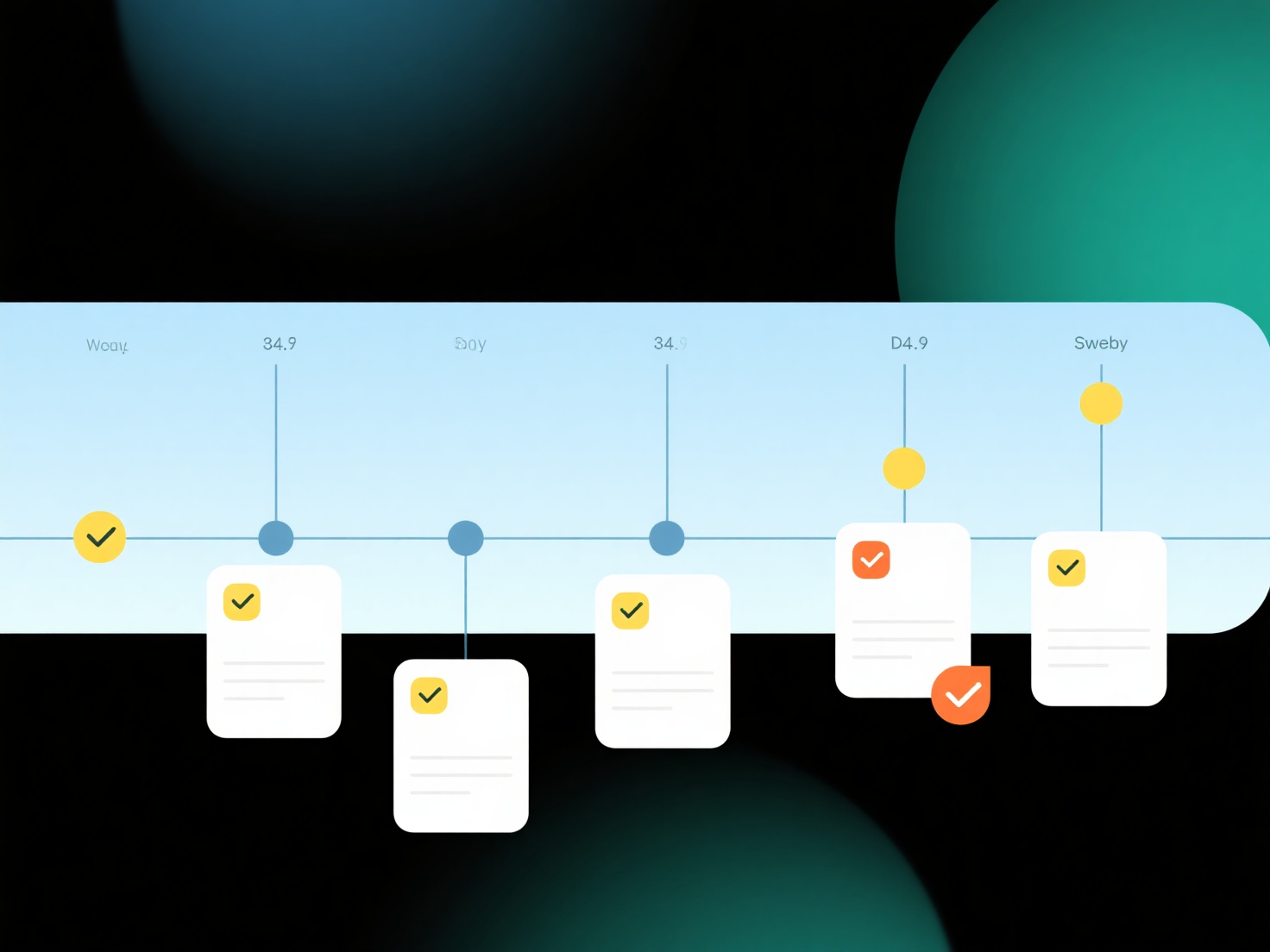
To track weekly research plans effectively, break down your long-term academic goals into actionable daily tasks, log your progress using a visual project management tool, and conduct a dedicated review session at the end of every week.
Managing a thesis, dissertation, or independent research project can easily lead to overwhelm if you only focus on the final deadline. Setting up a structured weekly research management system keeps you productive and prevents essential tasks from piling up.
Here is a practical framework to build and track your weekly research schedule:
1. Translate Long-Term Goals into Weekly Milestones
Start by identifying your broader monthly objectives, such as "finish the methodology section" or "complete the initial literature review." Divide these into smaller, highly specific weekly chunks. Instead of writing vague goals like "work on paper," your weekly plan should list concrete deliverables such as "draft 500 words for the introduction," "clean dataset A," or "format citations."
2. Implement a Visual Tracking System
Adopt a digital project management tool that visually represents your workload. Kanban boards (like Trello, Notion, or Asana) are highly effective for researchers. You can create columns for "Backlog," "This Week," "In Progress," and "Completed," physically moving tasks as you finish them. If you prefer timelines, a simple Gantt chart or structured spreadsheet can help you visualize overlapping deadlines for lab experiments and writing blocks.
3. Use Time Blocking for Daily Execution
Once your weekly tasks are set, assign them to specific time blocks on your calendar. Group similar tasks together to avoid context switching. For example, dedicate your high-energy morning hours to deep work like academic writing or data analysis, and leave your afternoon blocks for administrative tasks, email, or organizing references.
4. Automate Your Literature Tracking
A sustainable weekly plan should protect your deep work time. Instead of spending hours every week manually searching for recent publications, you can use WisPaper's AI Feeds to automatically push new papers matching your exact research interests straight to your dashboard. Automating how you track new research prevents information overload and ensures your scheduled reading blocks are spent actually absorbing literature rather than hunting for it.
5. Conduct a Friday Weekly Review
The most critical habit for tracking your plan is the weekly review. Set aside 30 minutes every Friday afternoon to evaluate your progress. Ask yourself what you accomplished, what bottlenecks slowed you down, and what tasks need to roll over. Update your tracking board and sketch out your top three priorities for the following Monday. This allows you to disconnect over the weekend and start the new week with clear momentum.