
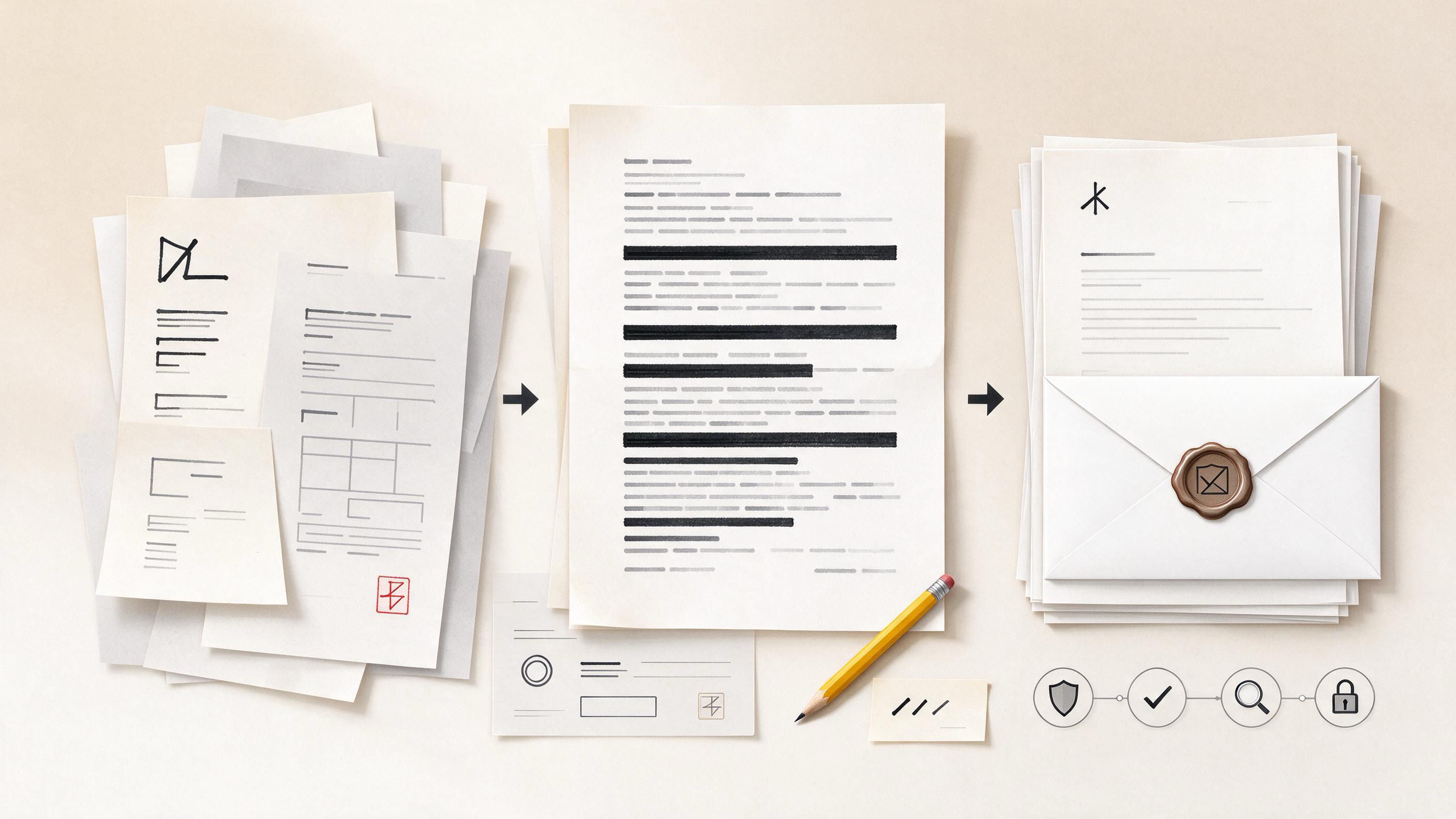
How to Anonymize a Manuscript for Double-Blind Review
Double-blind review fails quietly. A manuscript can pass a journal's technical check yet still expose the author team through a project name in the methods section, a grant number in the acknowledgments, file metadata, o
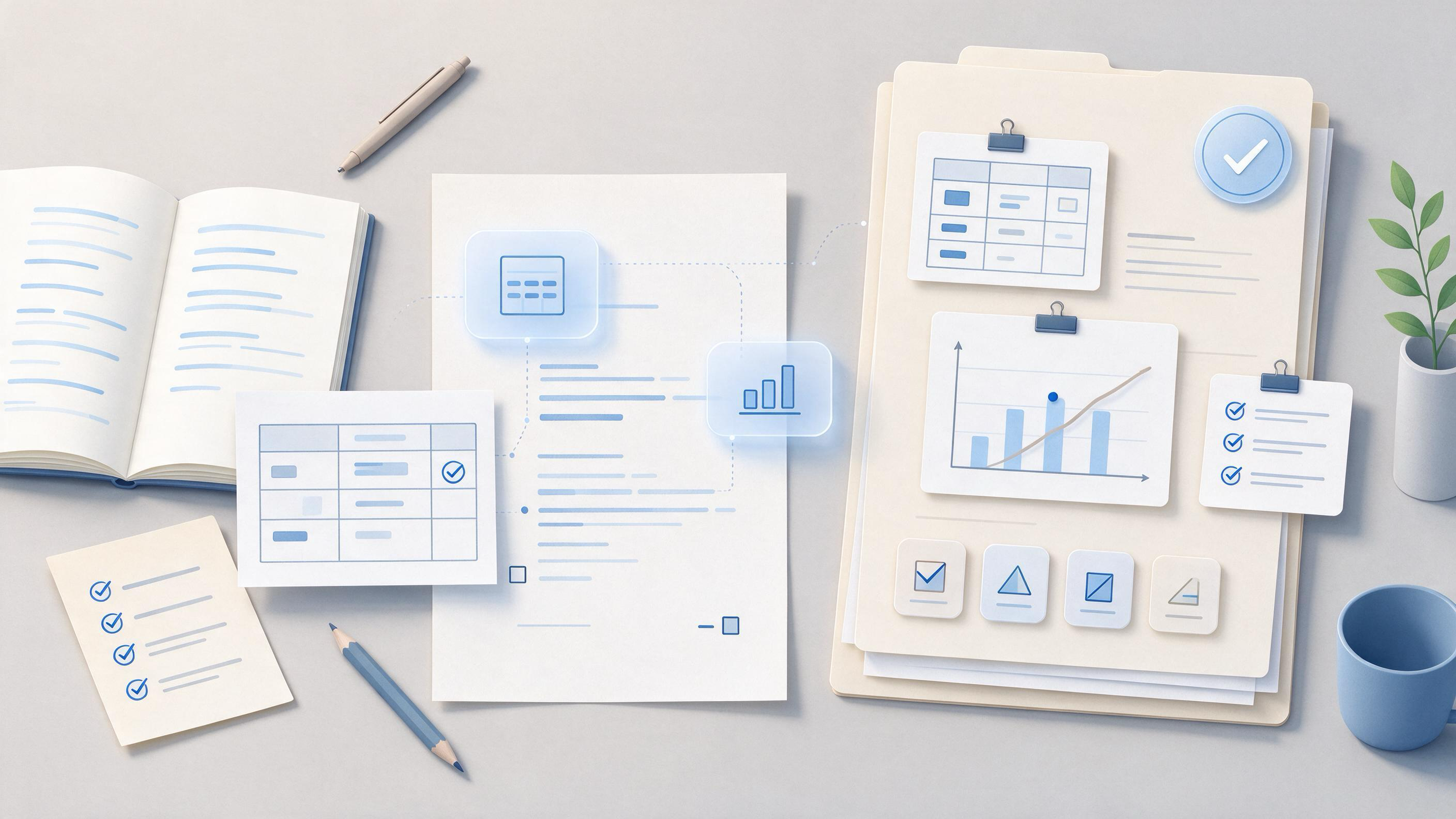
How to Check Tables and Figures Before Submission
A manuscript can be rejected or sent back for revision because a table’s footnote contradicts the text, a figure omits the sample size, or a statistical abbreviation is used without definition. The fastest way to avoid t
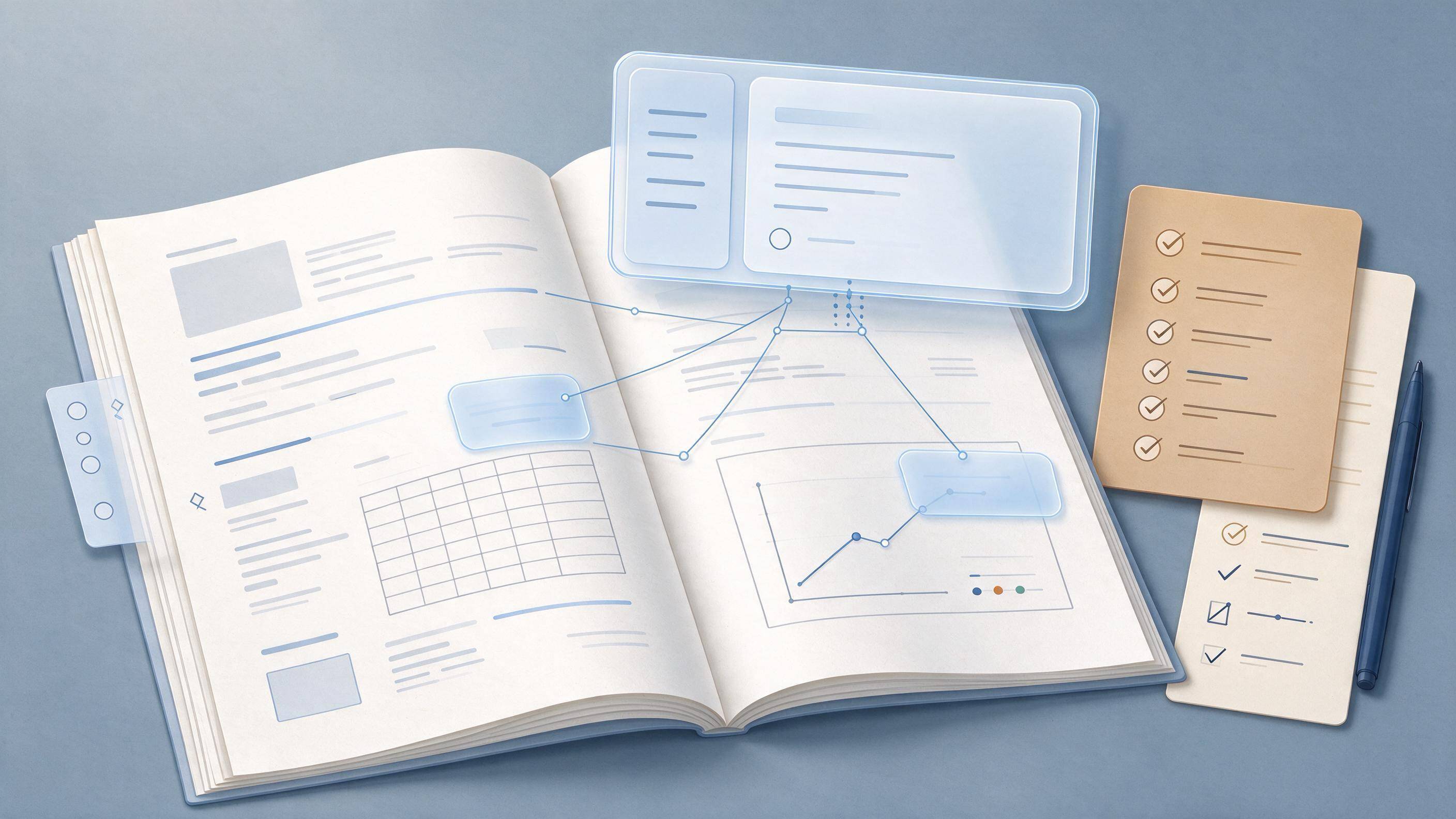
How to Check Terminology Consistency Across a Manuscript
Terminology inconsistency is one of the quietest reasons a manuscript stalls in peer review. A paper may use *myocardial infarction* in the abstract, *heart attack* in the methods, and *MI* in the results. Each term is d
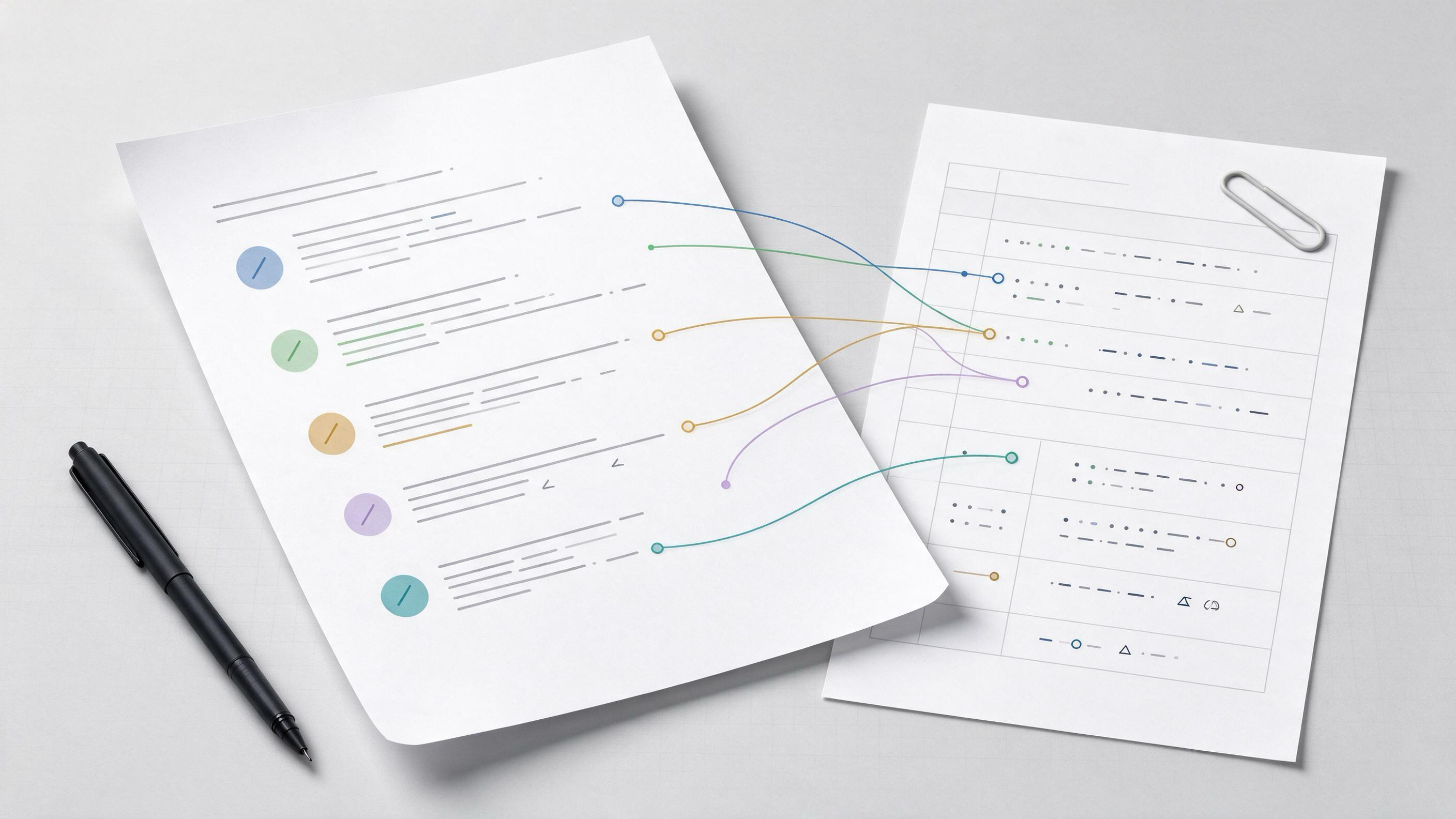
How to Check That Every Reviewer Comment Was Addressed
You have finished the hard part of a revision: the rewritten methods section, the new figure, the added sensitivity analysis, and the point-by-point letter. The remaining risk is quieter and more damaging. A reviewer com

How to Run a Manuscript Pre-Submission Check
A pre-submission check is a timed sequence of decisions, not a final proofread. You are answering one question at the end: if a reviewer reads this today, will they find the manuscript self-contained, consistent, and ali
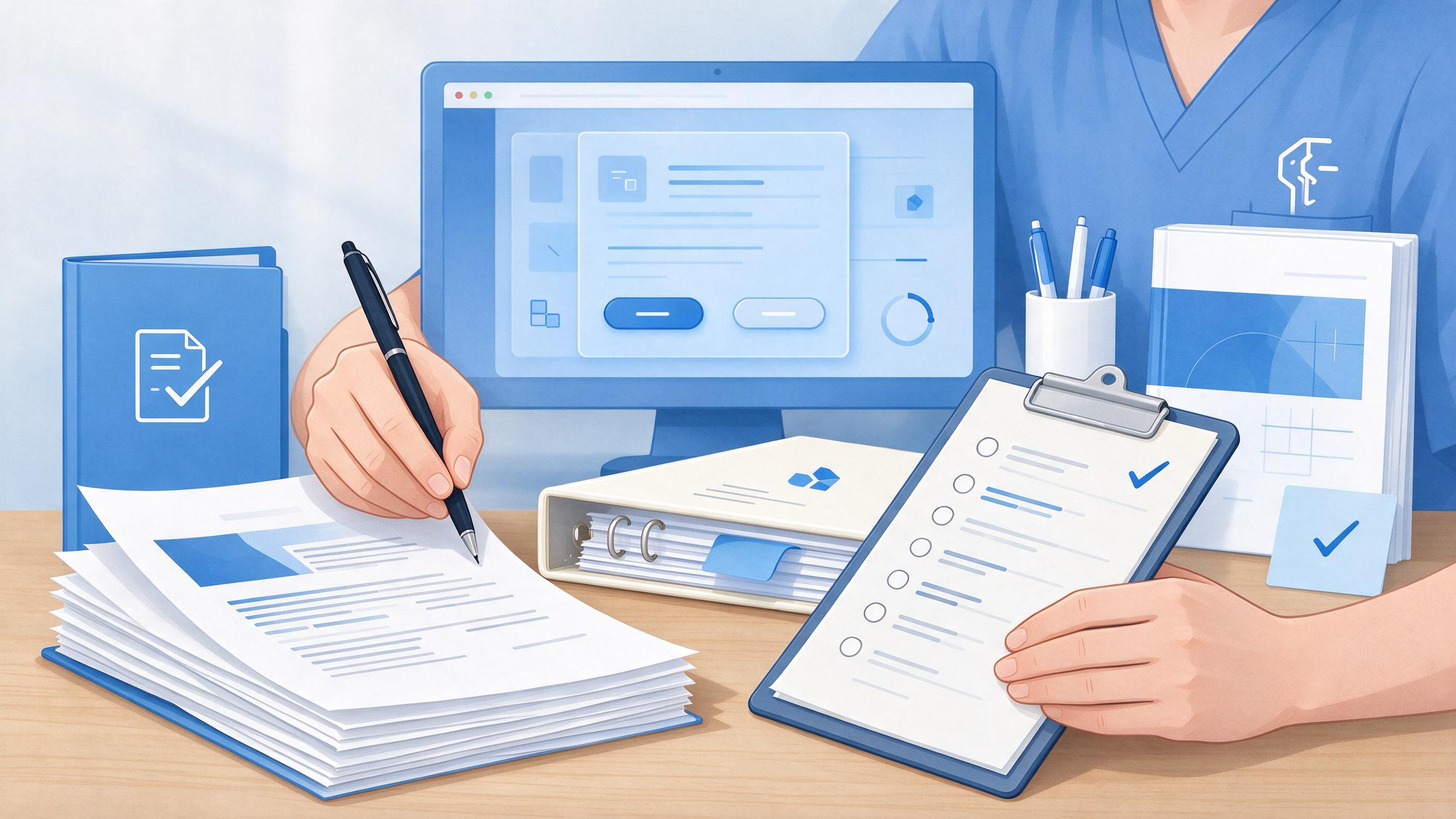
How to Turn Author Guidelines into a Submission Checklist That Actually Ships Your Paper
Most rejection-before-review emails are not about the science. They are about missing statements, wrong file formats, a bypassed reporting guideline, or a contributor form someone forgot to sign. The author guidelines ar

Reviewer Response Letter vs. Revision Checklist: Which Artifact Keeps a Revision on Track?
You have reviewer comments in front of you and a revision deadline behind you. The immediate question is practical: do you start drafting the reviewer response letter, building the revision checklist, or both at once? Cl

The Editor Asks for a Reporting Checklist at Submission: How to Respond Without Stalling Your Paper
You submit what feels like a finished manuscript and get a desk-level reply you did not expect: “Please complete the appropriate reporting checklist and upload it with your revised materials.” The request often lands alo
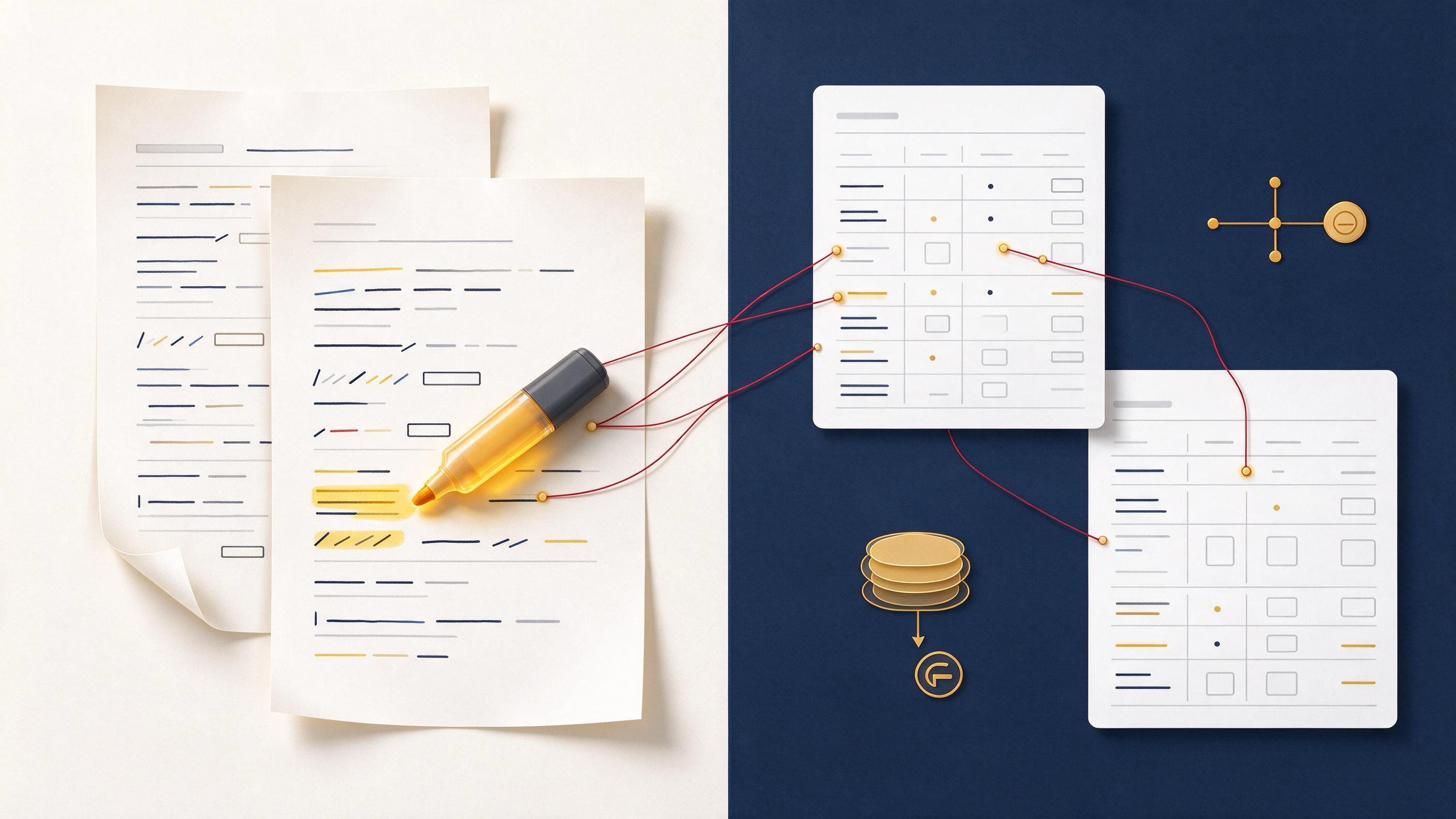
Your Abstract Still Describes an Earlier Version of the Results
The warning appears after the third round of supervisor feedback. The abstract promises a direct effect, but the final regression table now shows a null result and an unexpected interaction. The title still lists the var
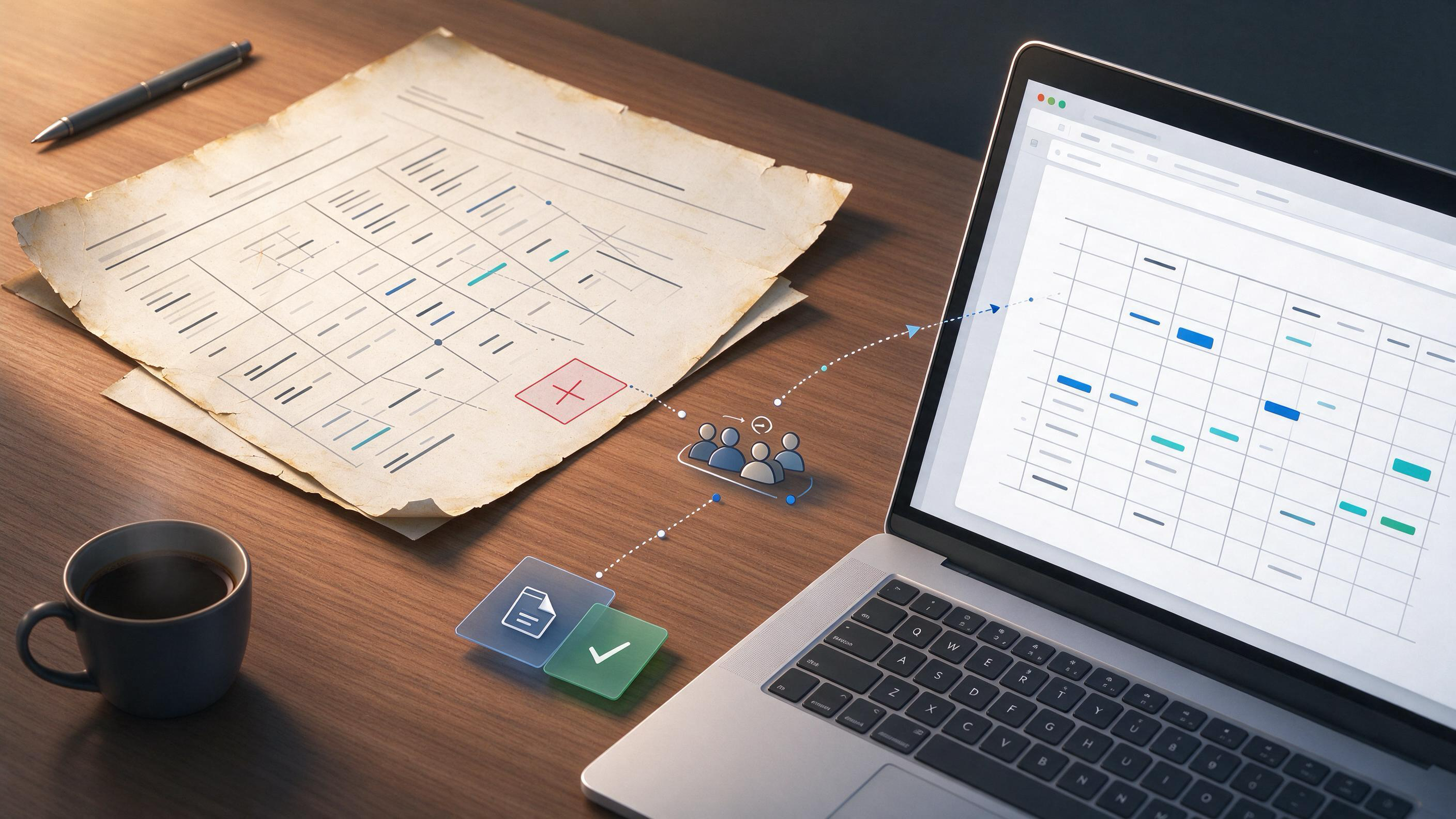
Your Supplementary File Contains an Outdated Table: A Submission-Ready Repair Protocol
A reviewer returns your manuscript with one line that lands harder than a full rejection: *"Your supplementary file contains an outdated table."* The immediate problem is clear—a table in the supplementary materials no l