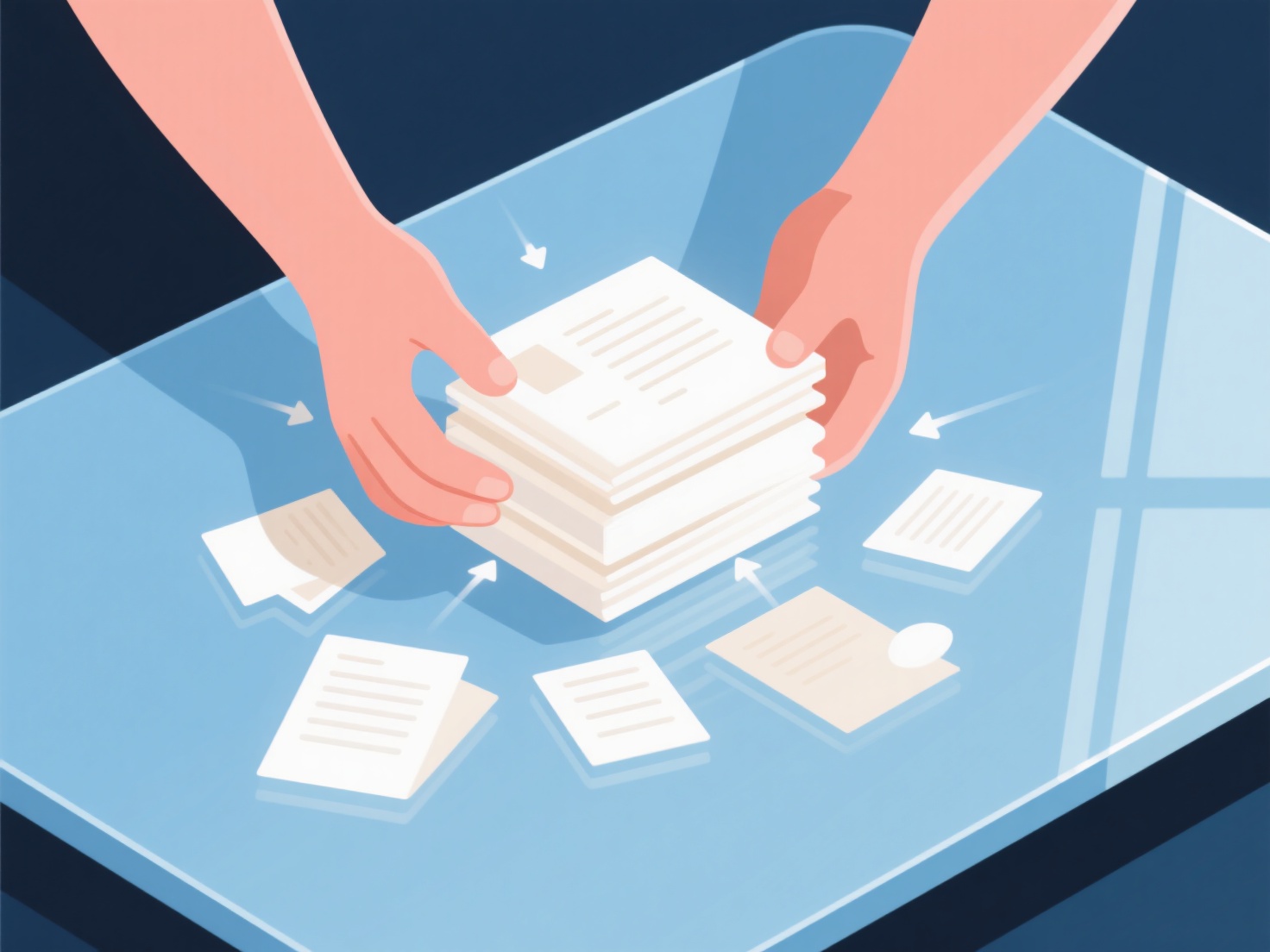
Keeping track of your literature reviews requires setting up a centralized reference manager, building a literature matrix to synthesize findings, and maintaining consistent file naming conventions. As your research grows, relying on memory or scattered desktop folders will quickly lead to information overload and lost citations.
Here are the most effective strategies to organize and manage your literature review materials:
1. Centralize Your Reference Management
The foundation of keeping track of your reading is a dedicated reference management system. This allows you to store, tag, and categorize your papers in one searchable place. Instead of relying on static folders, you can use WisPaper's My Library, which functions as a comprehensive reference manager and allows you to chat with your uploaded papers via AI to quickly extract key themes or methodologies you may have forgotten.
2. Build a Literature Synthesis Matrix
A literature matrix is a spreadsheet designed to help you track and compare multiple studies at a glance. Whether you use Excel, Google Sheets, or Notion, create columns for essential data points such as:
- Author and Publication Year
- Core Research Question
- Methodology Used
- Key Findings
- Limitations or Research Gaps
- Relevance to Your Own Work
Filling this out as you read makes it significantly easier to spot trends, contrast differing viewpoints, and group papers thematically when it is time to draft your review.
3. Standardize File Naming Conventions
Never leave downloaded PDFs with their default, randomized file names (like 10.1037_a0032.pdf). Adopt a strict, uniform naming convention the moment you save a file to your computer. A widely used academic format is AuthorLastName_Year_Topic.pdf (for example, Johnson_2023_NeuralNetworks.pdf). This simple habit ensures your local folders remain highly searchable.
4. Draft Annotations Immediately
Do not wait until you have read dozens of papers to start taking notes. Write a brief, three-to-four sentence summary immediately after finishing an article while the information is still fresh. Focus specifically on how the paper supports, challenges, or contextualizes your own hypothesis. Compiling these notes creates a working annotated bibliography that will serve as the building blocks for your final literature review chapter.
5. Use Cloud Backups
Research projects often span months or even years. Always ensure your reference database, PDFs, and synthesis matrices are synced to a secure cloud storage service. Losing your annotated literature review materials to a hard drive failure is a massive setback that is easily preventable.