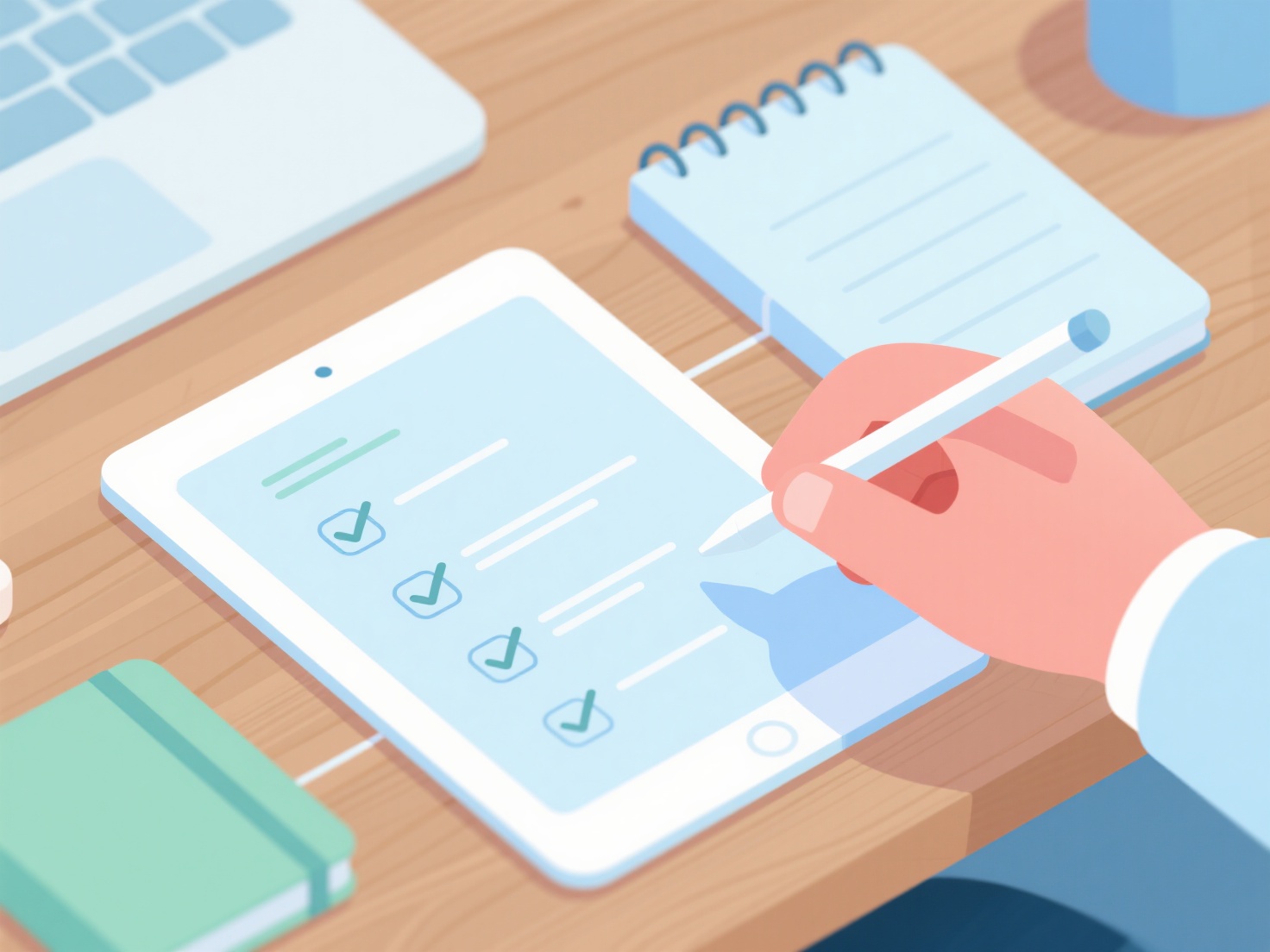
To keep effective meeting notes, you should prepare an outline beforehand, focus on capturing key decisions and actionable tasks during the discussion, and store the records in a centralized digital system.
Whether you are attending a weekly lab meeting, a one-on-one with your principal investigator (PI), or a project sync with collaborators, taking clear meeting minutes is essential. Good notes prevent miscommunication, track your research progress, and save you from forgetting valuable feedback.
Here is a practical workflow for managing your academic meeting notes.
1. Use a Standardized Template
Before the meeting begins, set up a basic structure. Having a consistent template reduces the cognitive load of organizing your thoughts on the fly. Your template should include the date, attendees, a brief agenda, a section for general discussion, and a dedicated space for action items.
2. Record Decisions, Not Transcripts
Avoid the trap of trying to write down everything your advisor or colleagues say. Instead, practice active listening and only record the core takeaways. Focus on capturing shifts in your research direction, feedback on your methodology, and specific decisions made about your project.
3. Highlight Action Items Clearly
The most important part of any meeting note is the action items list. Clearly define what needs to be done, who is responsible for doing it, and the expected deadline. For example, rather than writing a vague note like "check data," write "Rerun the regression analysis on the new dataset by Thursday."
4. Centralize Your Note-Taking System
Scattering your notes across physical notebooks, sticky notes, and random digital files is a recipe for lost information. Choose a centralized digital workspace to store everything so you can easily search for past discussions. If your meetings frequently involve discussing specific literature, utilizing WisPaper's My Library functions like a smart manager, allowing you to organize your PDFs, manage references, and chat with your own uploaded papers to keep your research documents and reading notes seamlessly organized in one place.
5. Review and Share the Summary
Take five minutes immediately after the meeting to clean up your notes while the conversation is still fresh in your mind. If you had a one-on-one with your advisor or a major collaborator sync, it is highly recommended to email them a quick bulleted summary of the key decisions and next steps. This ensures everyone is aligned on the project goals and provides a reliable written record you can refer back to in future meetings.