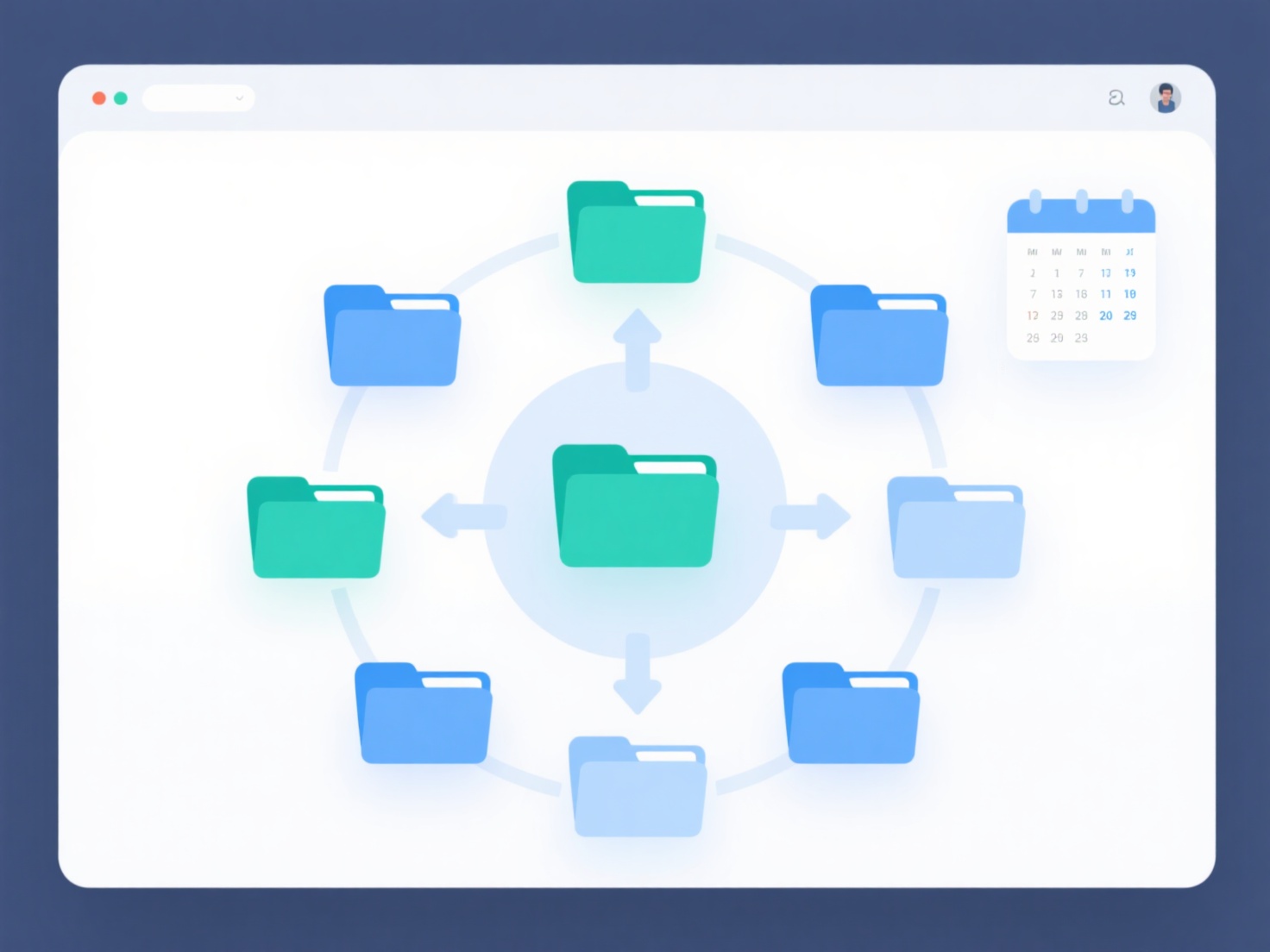
To efficiently manage multiple research projects, you need to establish a centralized organization system, block dedicated time for each project, and maintain strict boundaries between your literature and data. Juggling a literature review for one paper while running data analysis for another can quickly lead to burnout and scattered focus if you don't have a clear workflow.
Establish a Centralized Project Hub
The first step in handling multiple studies is getting everything out of your head and into a visual system. Use project management tools like Notion, Trello, or Asana to create a master dashboard. Set up a separate board or workspace for each research project where you can track hypotheses, methodologies, ethics approvals, and upcoming deadlines. Having a bird’s-eye view of your academic workload prevents tasks from slipping through the cracks.
Organize Literature and Files by Project
When working on overlapping topics, it is incredibly easy to lose track of which paper belongs to which study. Adopt a strict naming convention for your files and keep your PDFs neatly compartmentalized. To streamline this, you can use WisPaper's My Library, a Zotero-style manager that lets you organize references into project-specific folders and use AI to chat with your uploaded papers to instantly retrieve relevant notes. Keeping your citations organized from day one saves hours of frustration during the manuscript writing phase.
Use Time Blocking to Minimize Context Switching
Context switching—jumping back and forth between different research tasks—drains your cognitive energy and reduces overall efficiency. Instead of trying to inch forward on three projects in a single day, use time blocking. Dedicate specific half-days or full days to a single project. For example, reserve Mondays and Tuesdays for drafting your primary manuscript, and use Wednesdays for running experiments or coding for your secondary project.
Conduct a Weekly Review
Set aside 30 minutes every Friday afternoon to review the progress of all your active projects. Assess which tasks were completed, identify any bottlenecks stalling your progress, and map out your priorities for the following week. This routine ensures that your secondary projects maintain steady momentum even when you are hyper-focused on a major upcoming deadline.