

Google Scholar vs. PubMed for a Literature Review: A Decision Guide for Your Next Project
You have a draft in front of you—a course paper, a thesis chapter, or a first manuscript—and a supervisor's comment in the margin that says something like "broaden the literature" or "where is the evidence for this claim
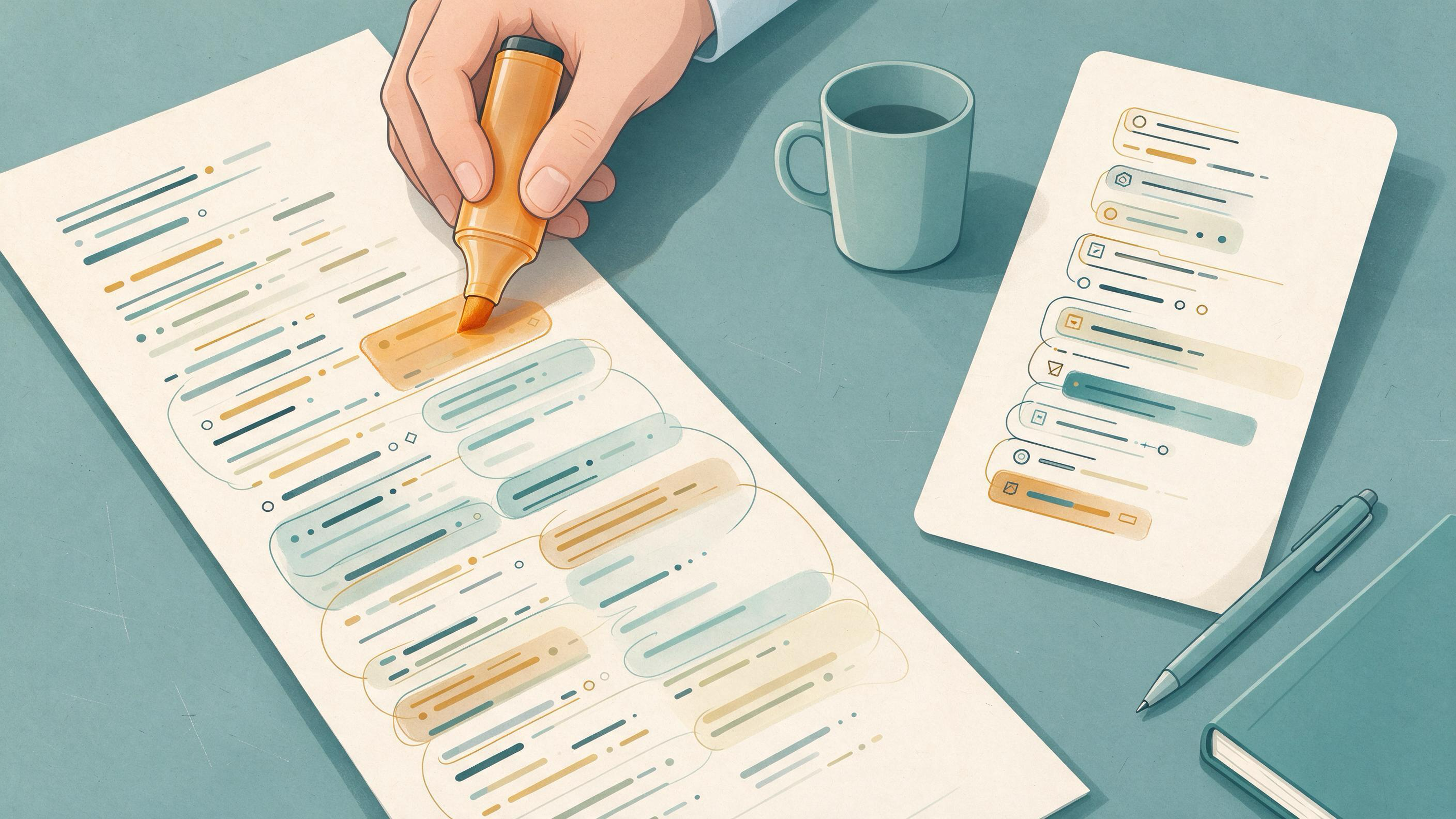
Half Your Search Results Are Duplicates: A Practical Workflow for a Clean Evidence Brief
You run a search for a focused clinical question, export the records, and start screening. By the twentieth title you notice the same trial appearing three times: once as the primary report, once as a follow-up, and once
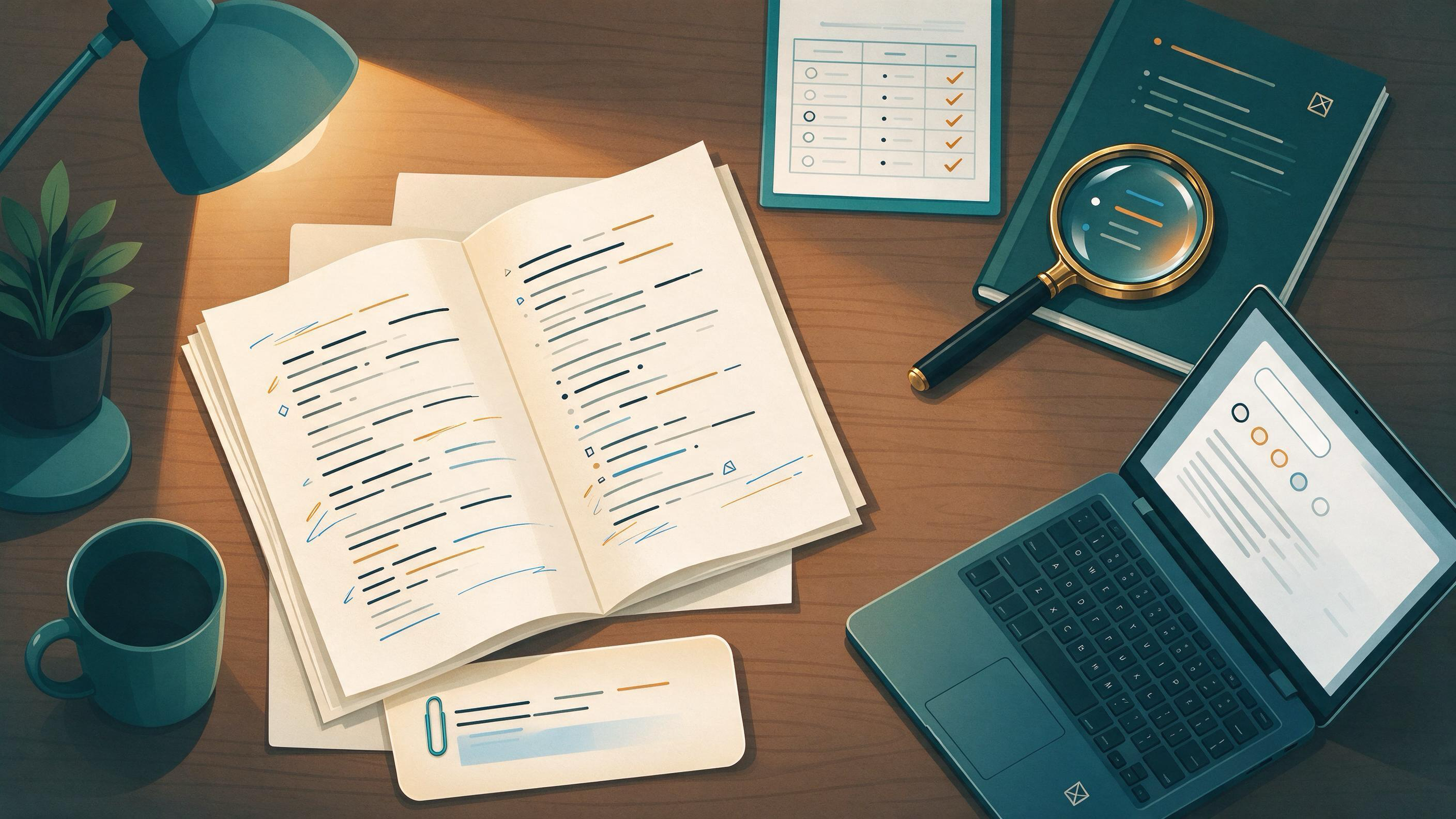
How to Answer a Reviewer Who Requests More References
A reviewer's request for more references is rarely a demand to pad the bibliography. It is usually a signal that the reviewer could not see the scholarly grounding for a claim, a method, or a comparison. Your job is to m
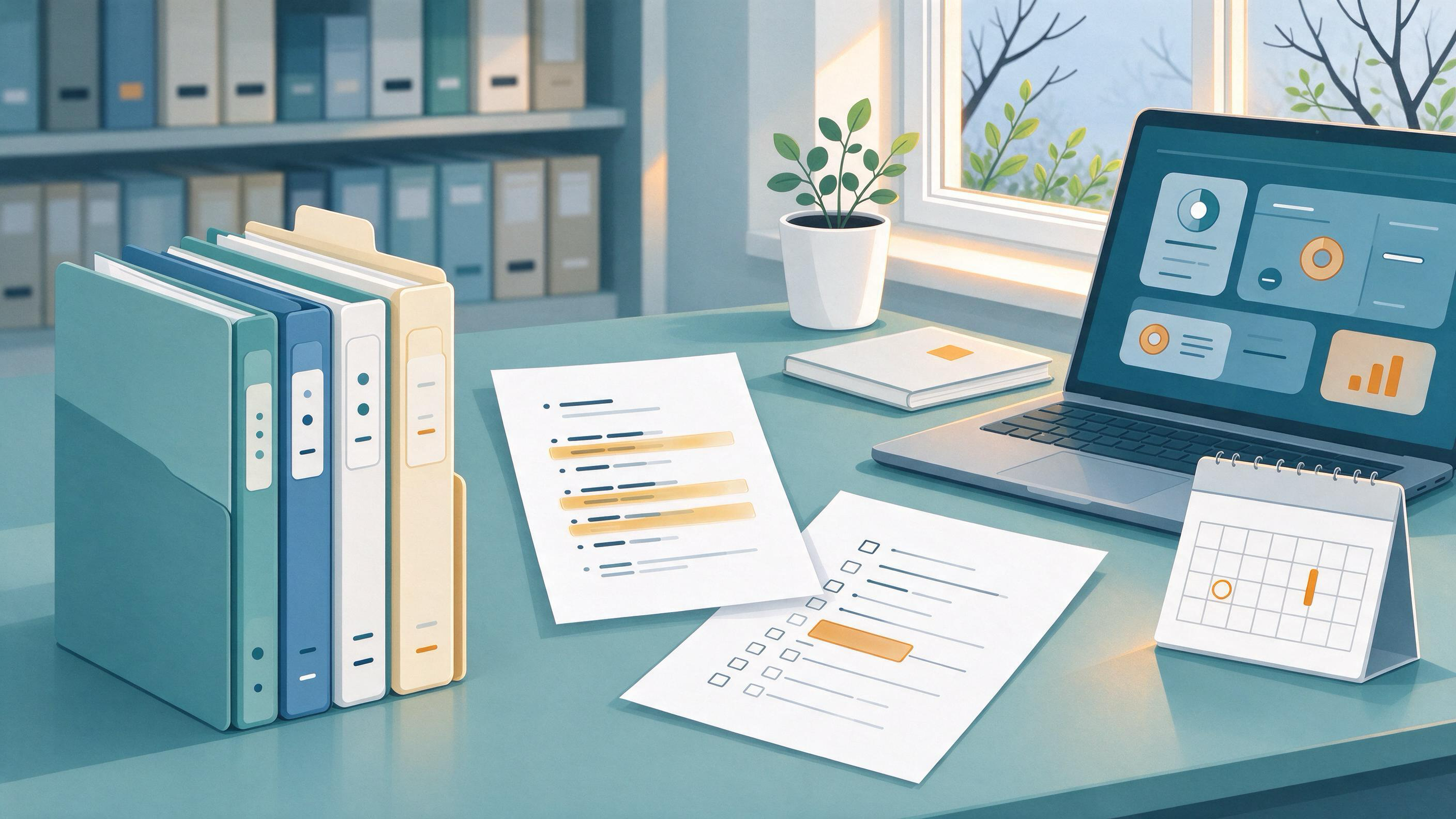
How to Archive Sources So a Review Can Be Updated Later
A literature review is never really finished; it is only current as of a date. The practical question is whether the version you hand in can be reopened in six months—by you, a co-author, or a future supervisor—and broug
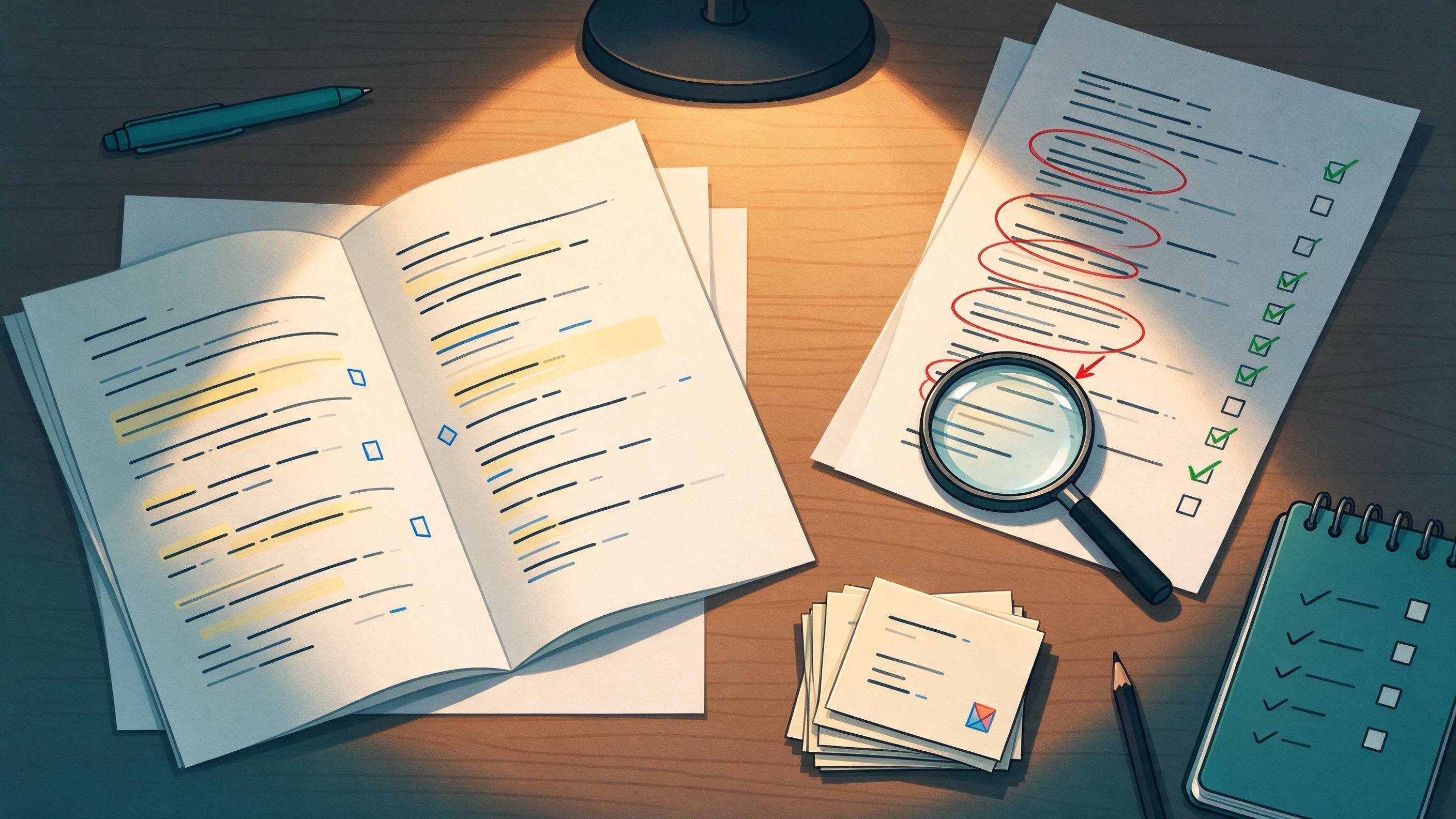
How to Audit a Reference List Before Submission
A reference-list audit is a structured pass through every entry in your bibliography to confirm three things: the work exists as cited, the metadata matches the published record, and the entry actually supports the sente

How to Build an Evidence Matrix for a Literature Review
An evidence matrix is the working table that turns a pile of search results into a defensible review. Each row is one study or one report; each column is a decision you will need to defend later — why it was eligible, wh
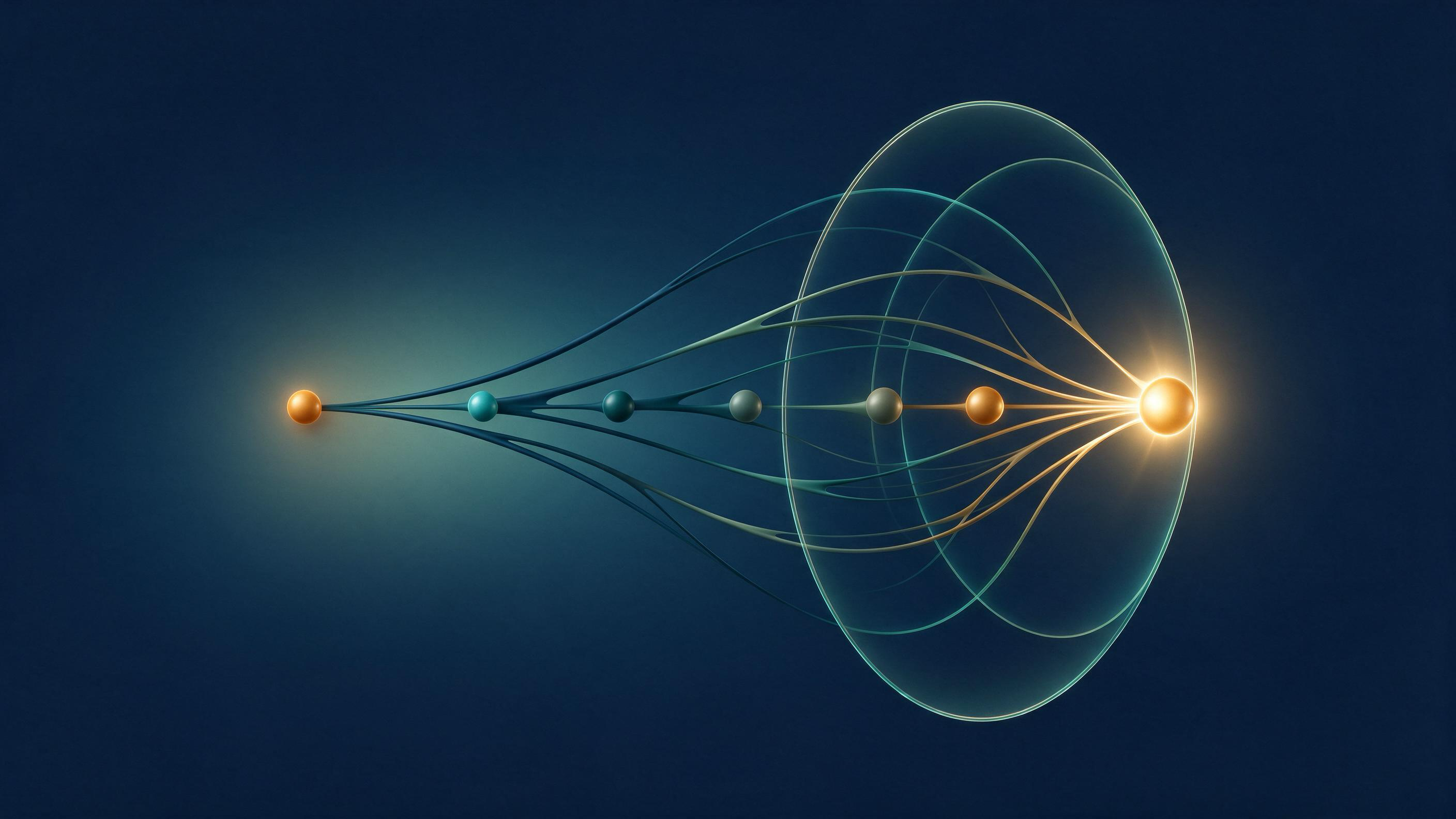
How to Build Search Terms from a Research Question
A research question becomes searchable only after you translate it into a documented set of concepts, synonyms, and source-specific syntax. The reliable way to do this is to start from your eligibility criteria, split th
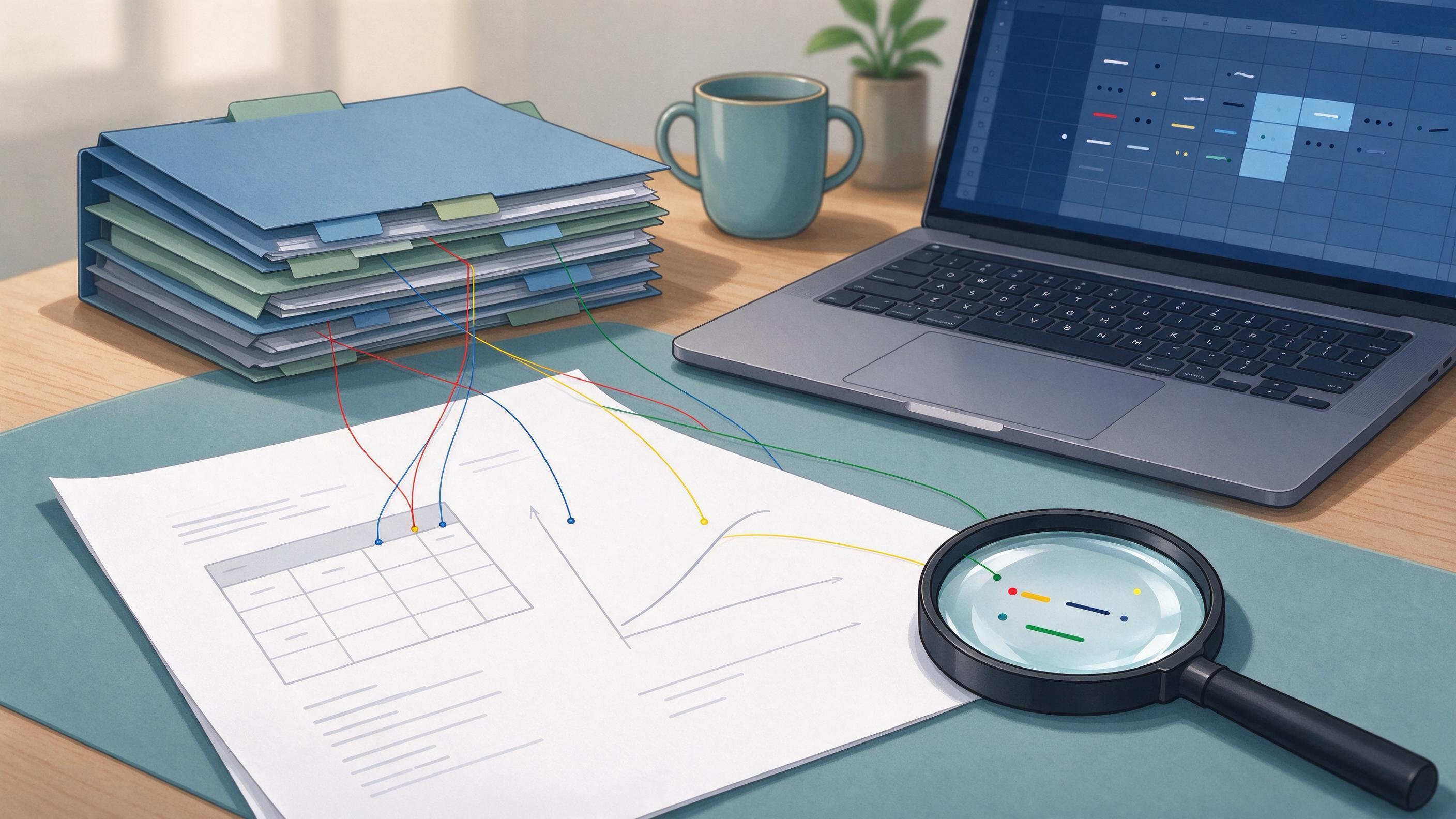
How to Check the Source Behind a Table or Figure
A table or figure in a manuscript is a claim compressed into rows, axes, or a schematic. When a coauthor, reviewer, or future lab member asks "where did this come from?", the answer needs to be a traceable path from the
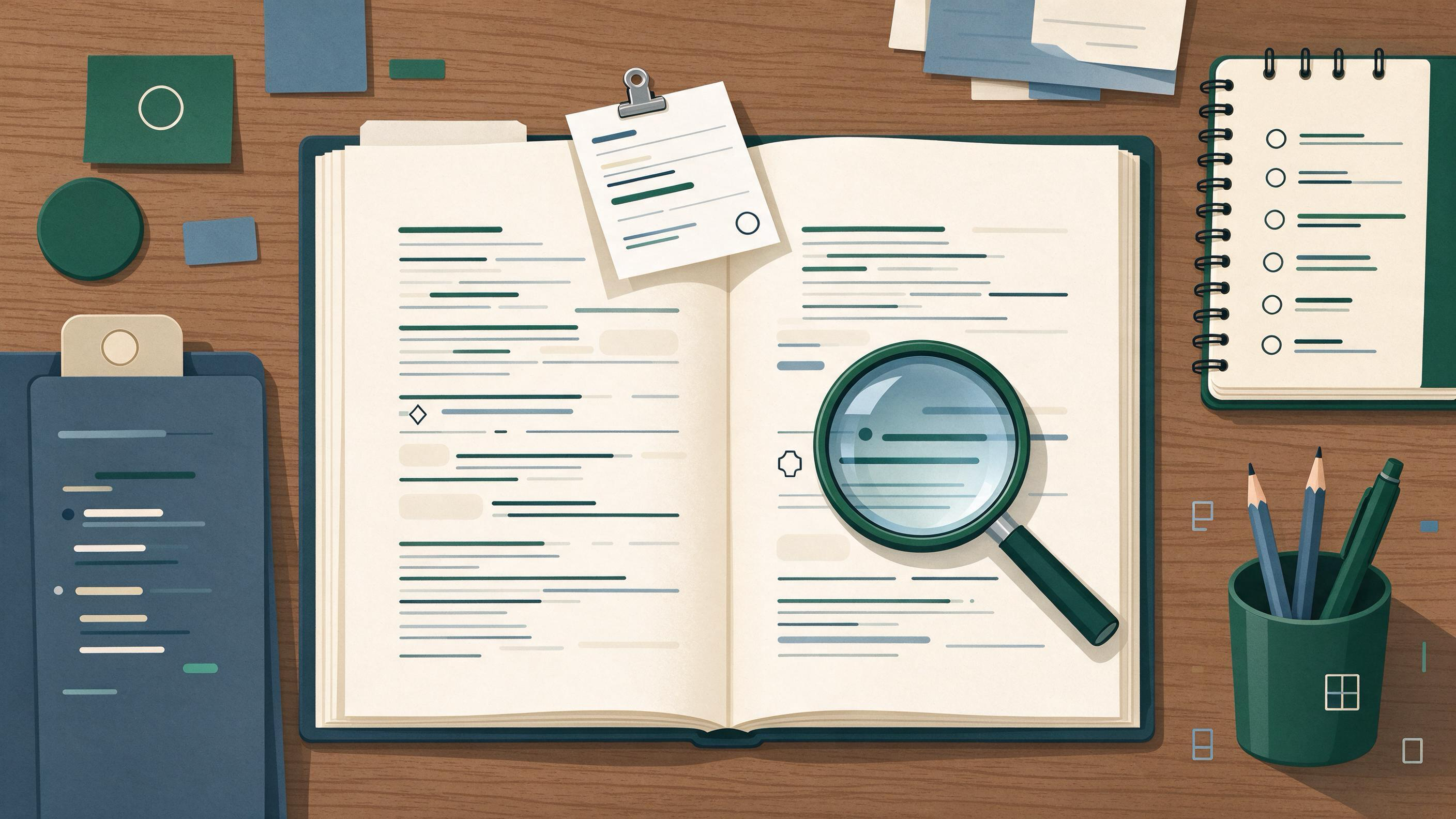
How to Check Whether a Research Paper Has Been Retracted
A retraction check is a verification task, not a single lookup. The reliable answer comes from combining several sources, recording what each one showed on the day you checked, and keeping that record with the manuscript
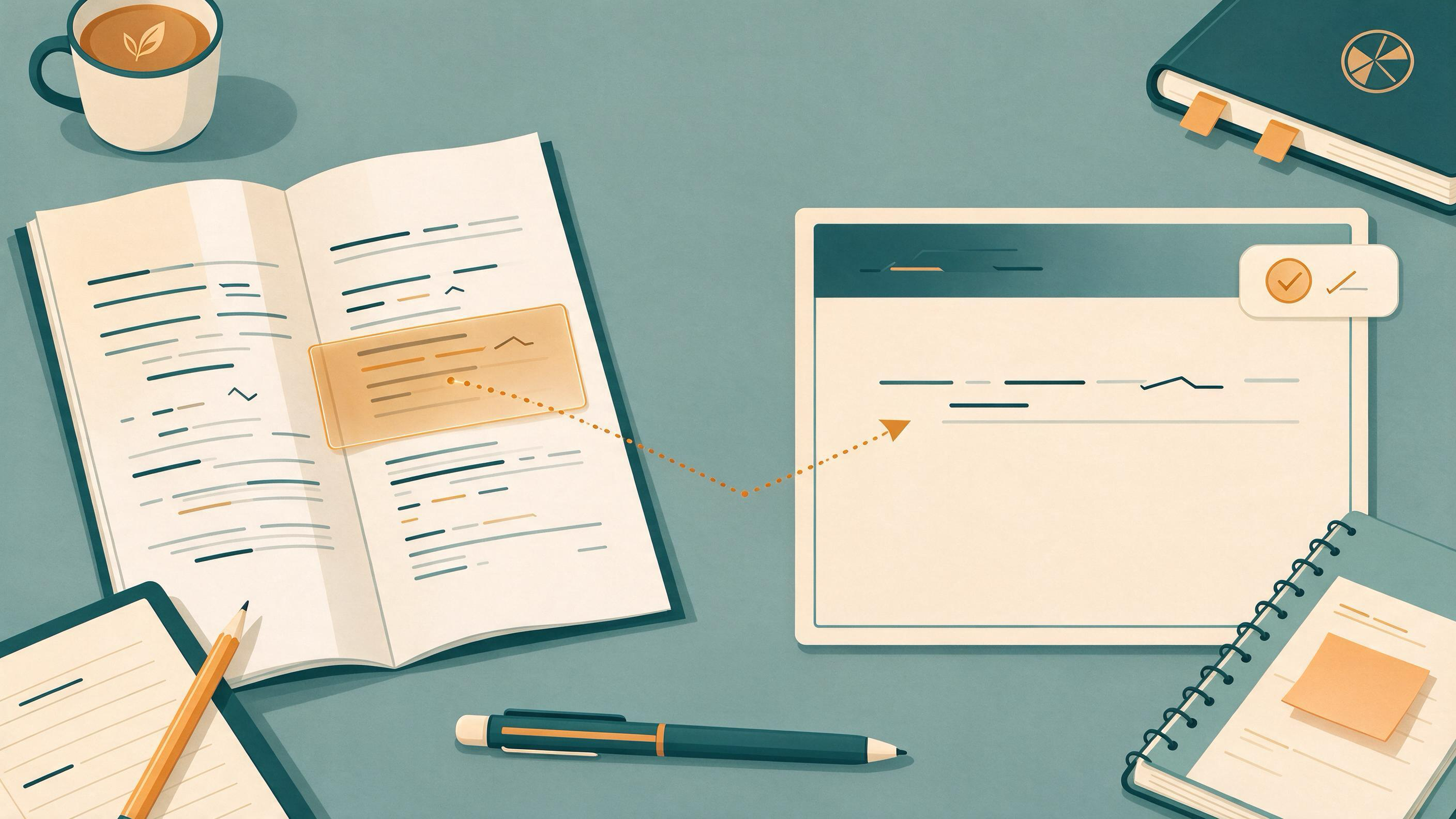
How to Cite a Paraphrase Without Losing the Original Meaning
Paraphrasing is where citations most often drift. You restate a source in your own words, the sentence reads cleanly, and the original claim quietly changes shape — a hedged finding becomes a firm one, a single-study res