

Citation Verification Checklist for Research Papers
Citation verification is the step where you confirm that every reference in a manuscript points to a real, correctly described work and that the cited source actually supports the sentence it is attached to. It is not a
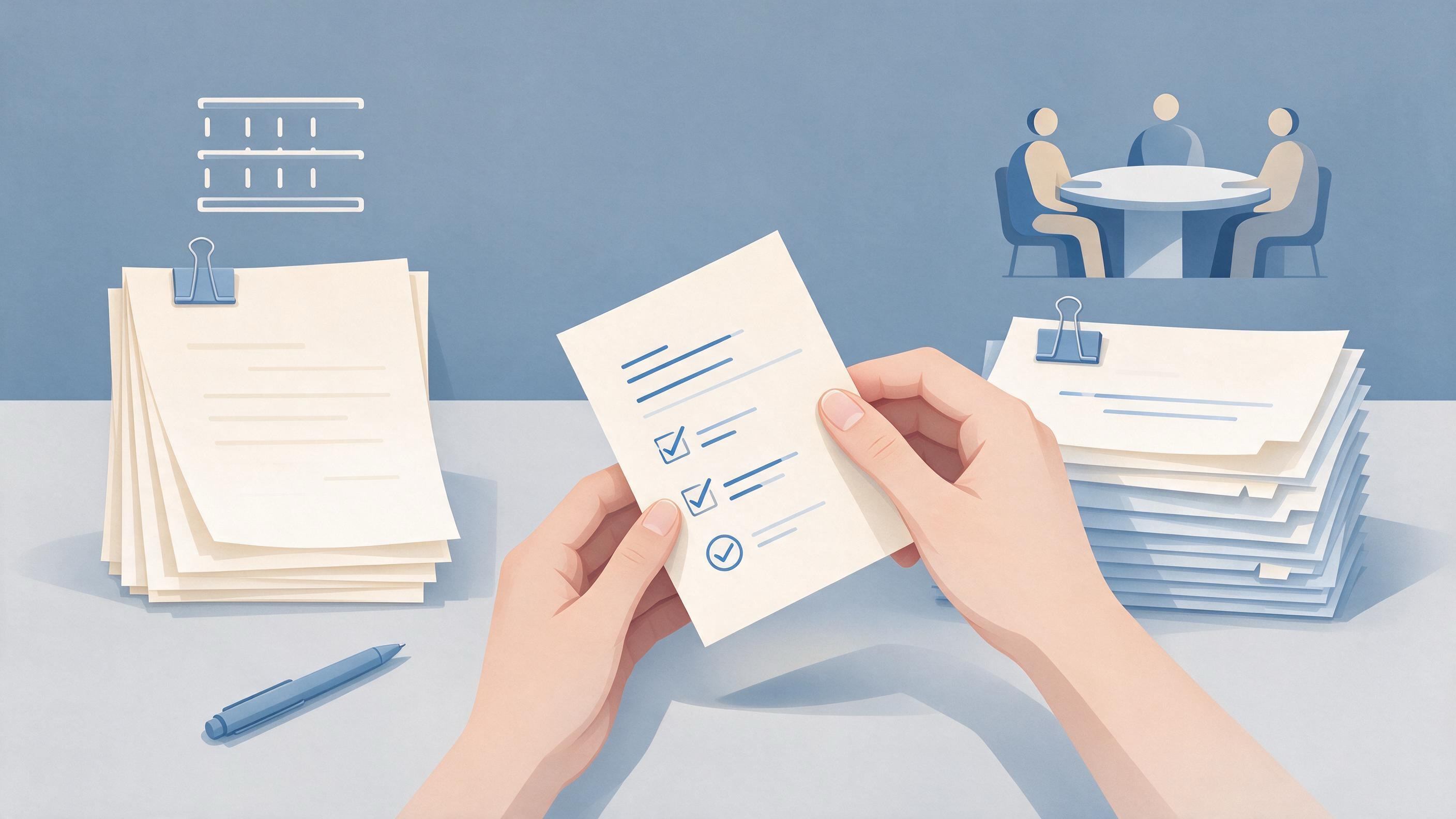
Clinical Guideline vs. Consensus Statement: Building a Defensible Evidence Brief
When a team needs a position on a clinical question, the first instinct is often to reach for "the guideline." But the document that surfaces may be a formal clinical guideline, a consensus statement, or something in bet

Direct Quote vs. Paraphrase in Academic Writing: A Decision Guide for Your Next Draft
You are finishing a course paper, a thesis chapter, or a first manuscript, and your notes are a mix of copied sentences and half-rewritten summaries. The question in front of you is not abstract: for this specific senten

DOI vs. URL: Which One Belongs in a Reference?
A reference needs to do two jobs: identify a specific work, and let a reader reach it. A DOI and a URL each help with one of those jobs, and the confusion usually starts when a manuscript treats them as interchangeable.
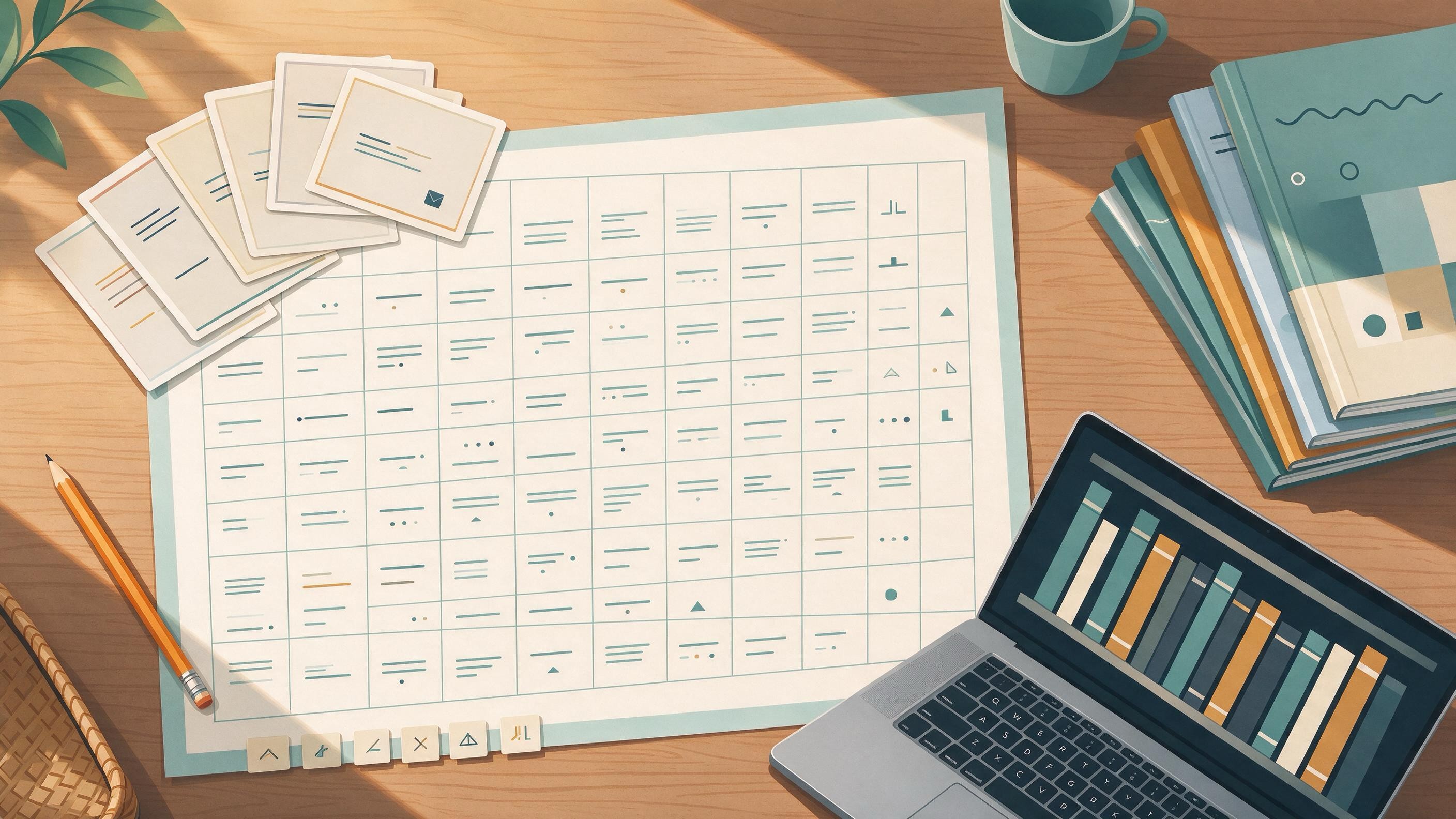
Evidence Matrix Guide: From Paper Collection to Synthesis
An evidence matrix is a working table that maps each paper you have collected to the specific claim, method, or gap it can support in your own writing. It is the bridge between a folder of PDFs and a synthesis you can de
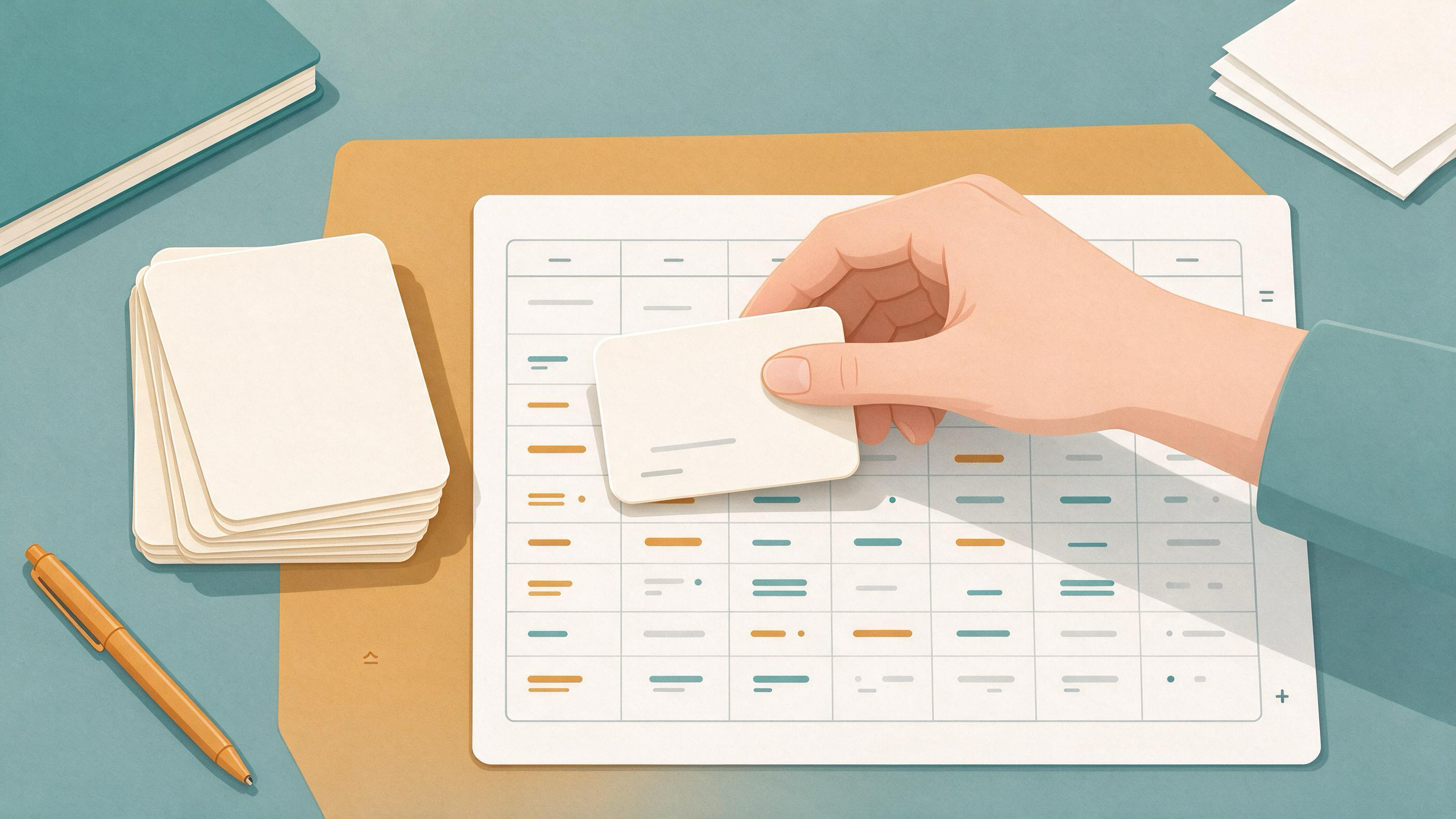
Evidence Matrix vs. Annotated Bibliography: Choosing the Right Evidence Artifact
You have a folder of papers, a clinical question, and a deadline for a focused evidence brief. The real decision is not which format sounds more rigorous; it is which artifact lets your team make and defend a specific ju
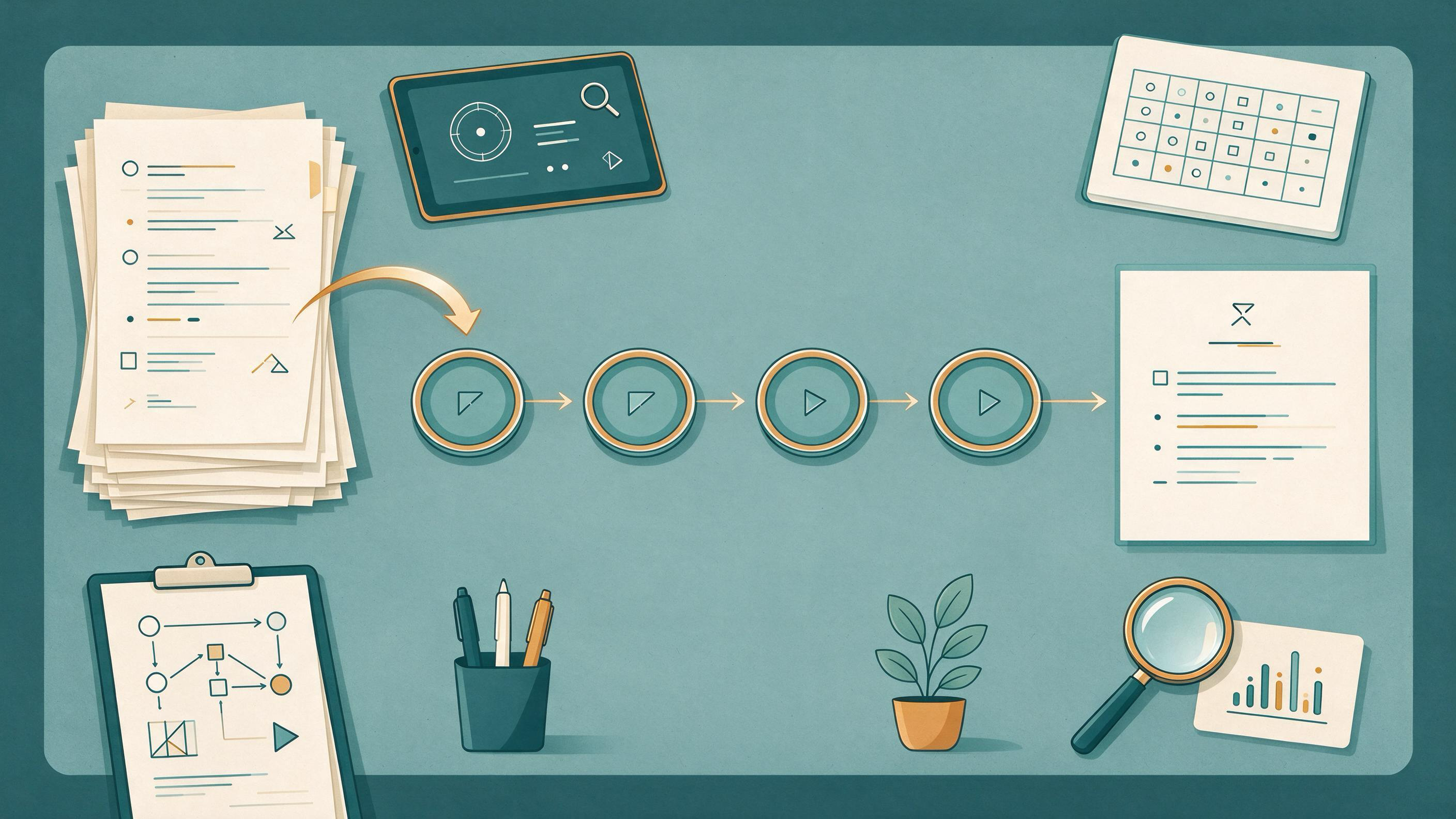
Evidence Synthesis Workflow: From Extraction to Conclusion
Evidence synthesis is the work of turning a pile of papers into a defensible answer to a research question. If you are finishing a course paper, a thesis chapter, or a first manuscript, the hard part is rarely finding on
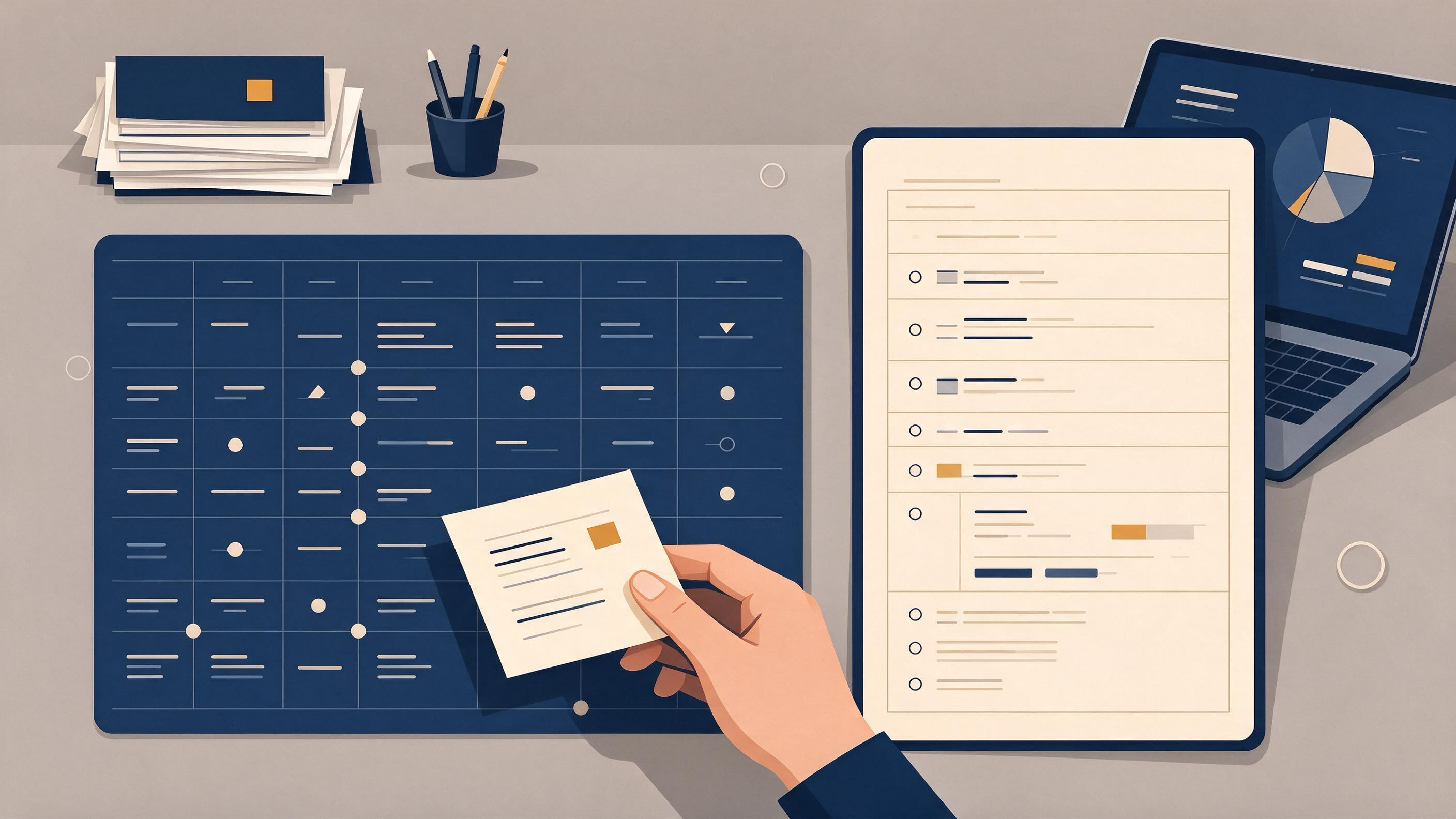
Evidence Table vs. Data Extraction Form: Choosing the Right Artifact for Your Next Review
You have a folder of PDFs, a supervisor's comment asking where the "evidence" is, and a nagging sense that your notes are scattered across three apps. The question in front of you is concrete: should you build an evidenc
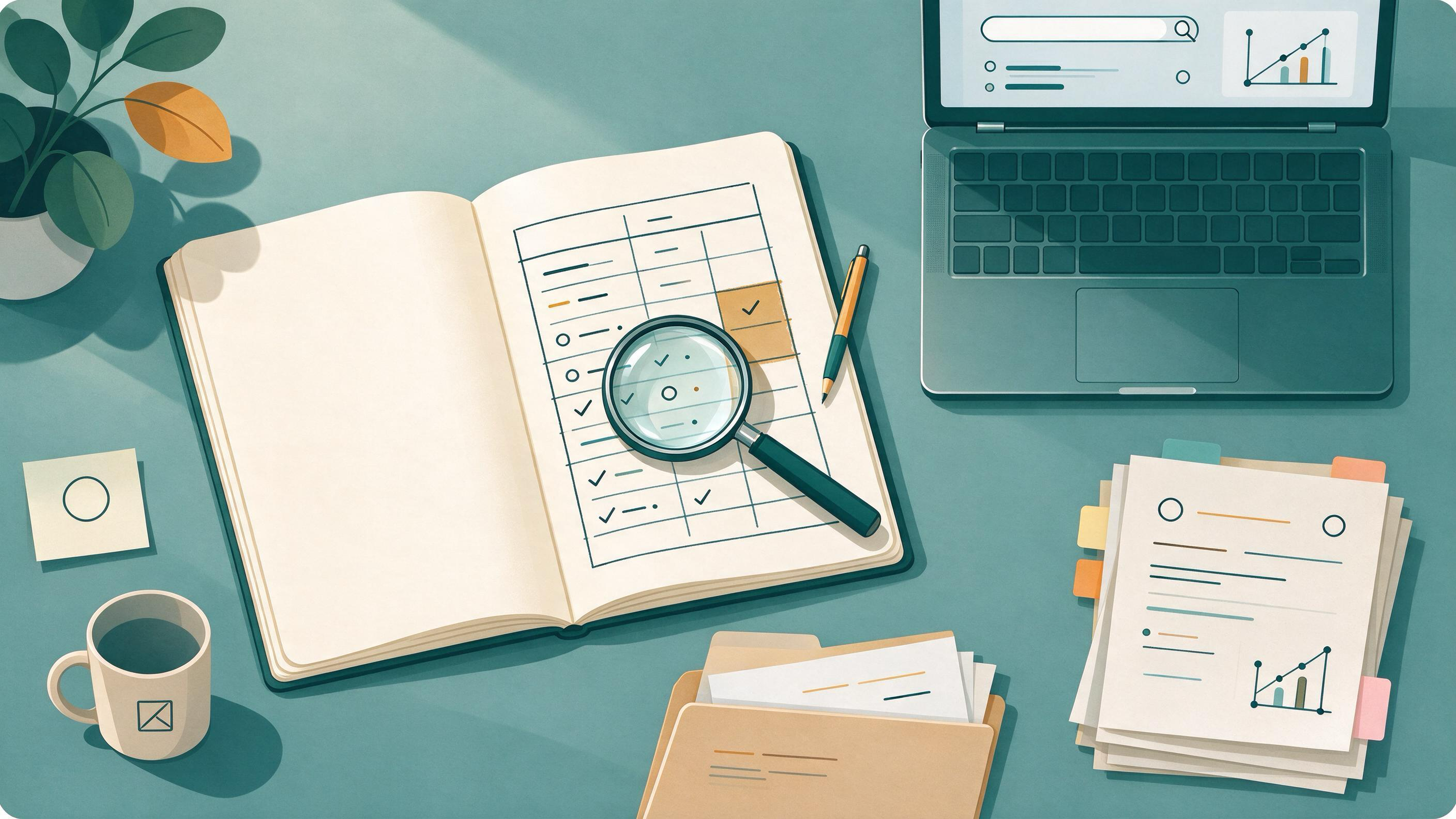
Finding Research Gaps: Questions, Evidence, and Common Mistakes
A research gap is not a blank space on a topic map. It is a specific, defensible claim that the existing evidence does not adequately answer a question that matters for a defined population and outcome. Clinicians and me

Google Scholar vs. PubMed for a Literature Review: A Decision Guide for Your Next Project
You have a draft in front of you—a course paper, a thesis chapter, or a first manuscript—and a supervisor's comment in the margin that says something like "broaden the literature" or "where is the evidence for this claim