
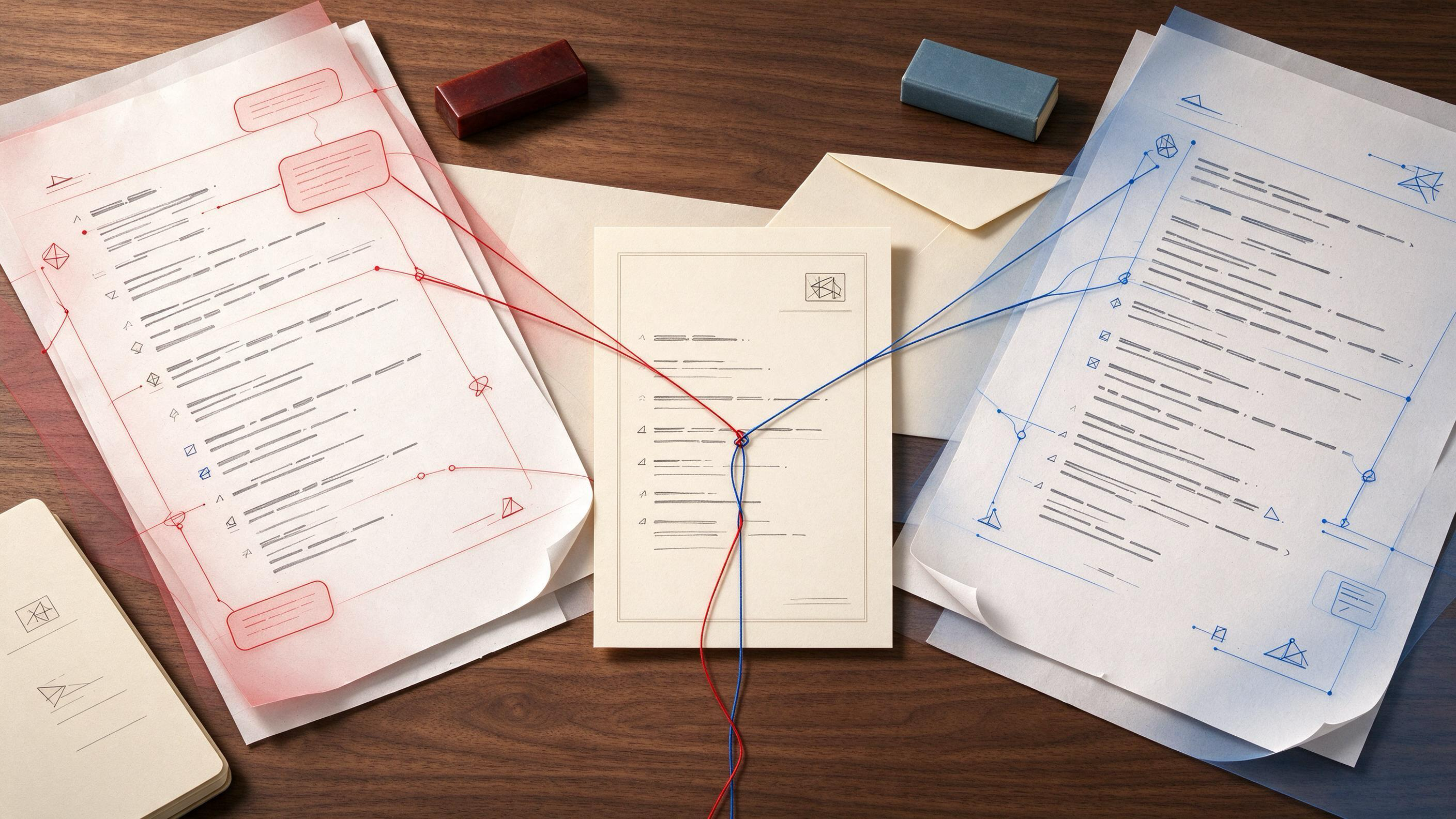
Two Reviewers Give Conflicting Revision Advice: How to Decide What to Change
You open the decision letter expecting a clear to-do list. Instead, Reviewer 1 wants you to add a control condition and reconsider your main claim. Reviewer 2 says the argument is strong but asks you to cut a section and

Version History vs. File Naming for Manuscript Control
If you have ever opened a folder named `thesis_final` and found `thesis_final_REAL`, `thesis_final_v2_SupervisorEdits`, and `thesis_final_USE_THIS_ONE`, you already know the question this article answers: should you cont

Year-End Research Cleanup: Files, Notes, Sources, and Decisions
A year-end research cleanup is the moment when a busy evidence base becomes reusable: the sources you can defend, the notes you can trust, and the decisions you made with your data. Many researchers enter the new year wi

You Need to Restart an Unfinished Paper in January
You opened the file on the first Monday of January and found what feels like two different projects: a promising argument from October, a pile of quoted passages you no longer remember choosing, and supervisor comments y
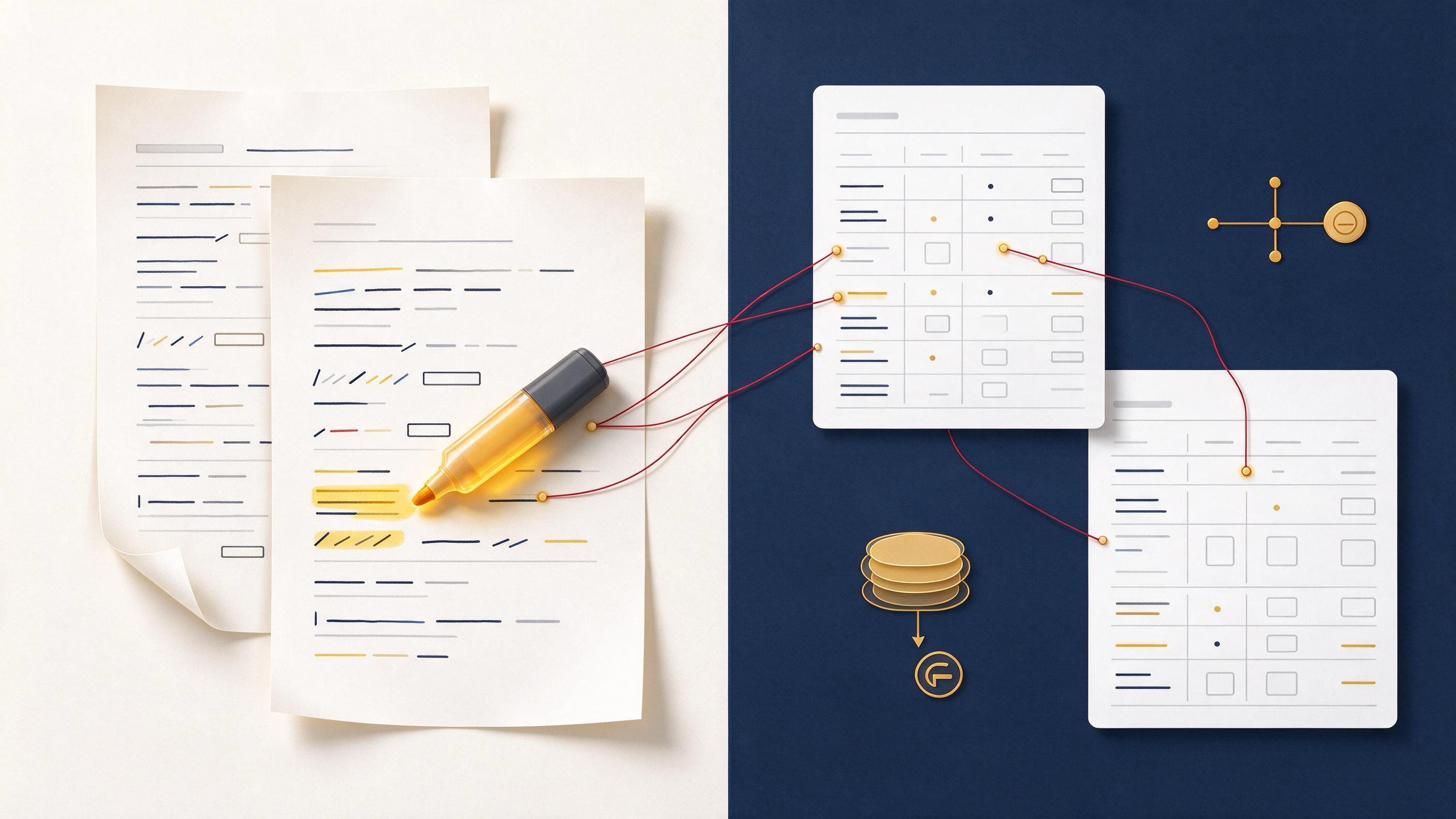
Your Abstract Still Describes an Earlier Version of the Results
The warning appears after the third round of supervisor feedback. The abstract promises a direct effect, but the final regression table now shows a null result and an unexpected interaction. The title still lists the var
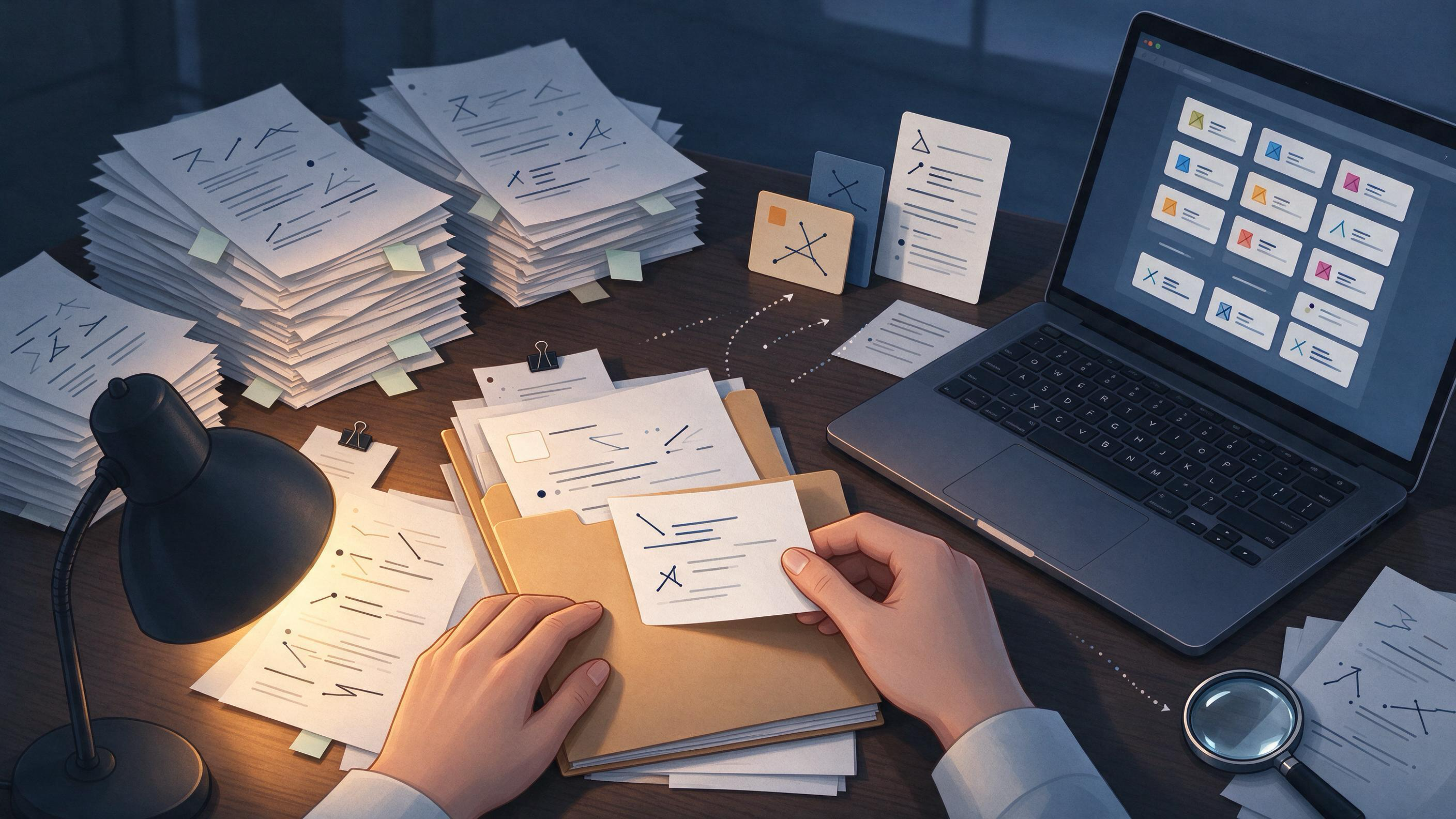
Your Reference Library Contains Years of Unsorted Imports
The concrete failure is familiar: you open your reference library to prepare a rapid evidence brief, meet a wall of unlabeled PDFs, duplicate records, and imports with no usable metadata, and realize you cannot say which

Your Submission Folder Contains Six Files Named Final
At the end of a long project, six files named *Final*, *Final_v2*, *Final_FINAL*, and *Really_Final* are a sorting problem, but they are also a record-keeping failure. The exact content of one manuscript has become unrec
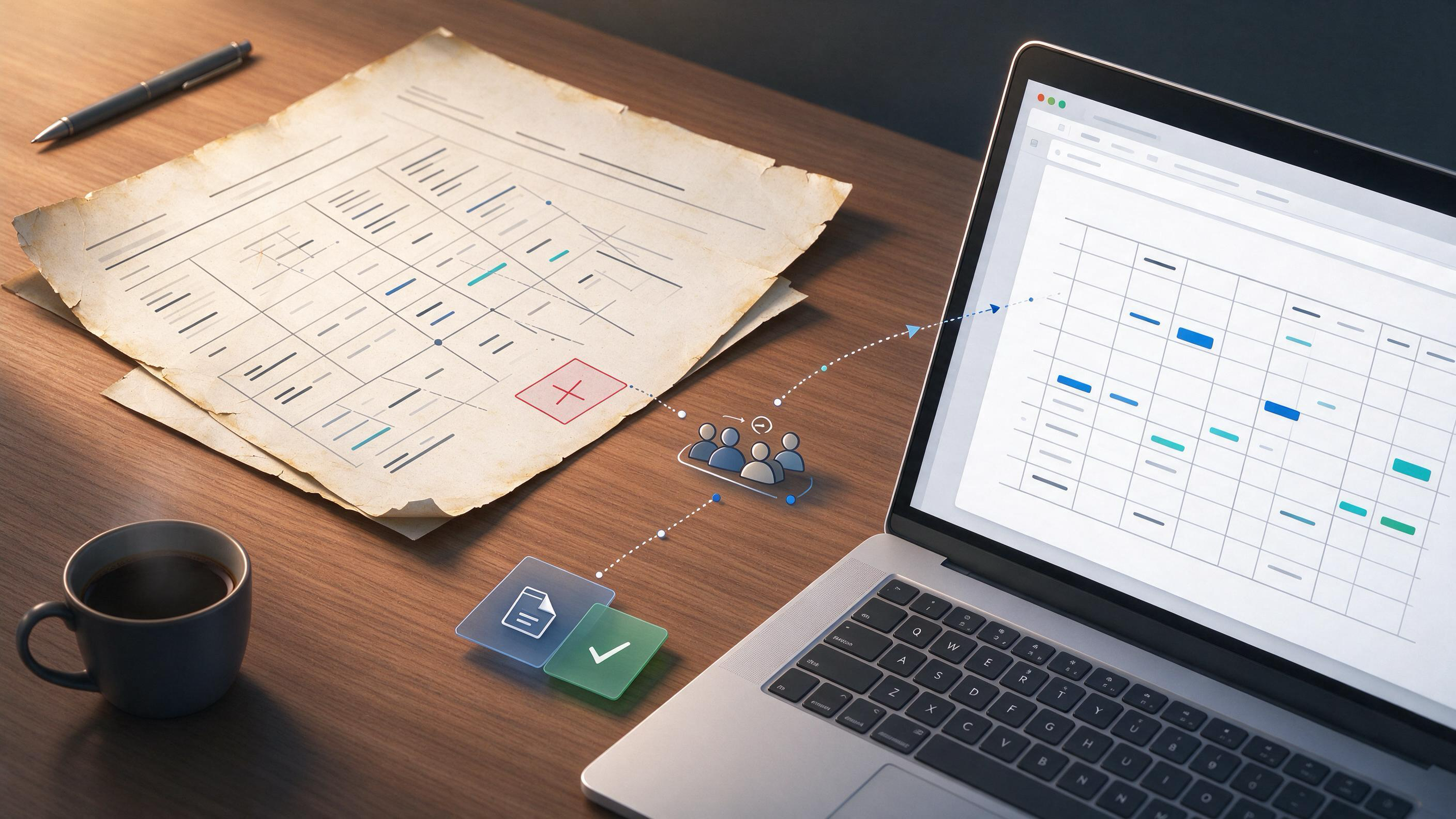
Your Supplementary File Contains an Outdated Table: A Submission-Ready Repair Protocol
A reviewer returns your manuscript with one line that lands harder than a full rejection: *"Your supplementary file contains an outdated table."* The immediate problem is clear—a table in the supplementary materials no l