

How to Write Figure Captions That Stand Alone
A figure caption is not a label. It is a short, self-contained argument that lets a reader understand the evidence without flipping back through the methods or results. When you write a caption that truly stands alone, a

How to Write Table Notes Readers Can Actually Use
A table note fails when it sends the reader hunting through the text for a definition, a source, or the reason a number looks unusual. It works when a reader can glance at the note, understand what the table shows and wh

Journal Scope vs. Journal Impact Factor: Which Should Guide Submission?
If you are staring at a finished thesis chapter or first manuscript and trying to decide where it belongs, the same question tends to surface in every supervision meeting and late-night search: should the journal's scope
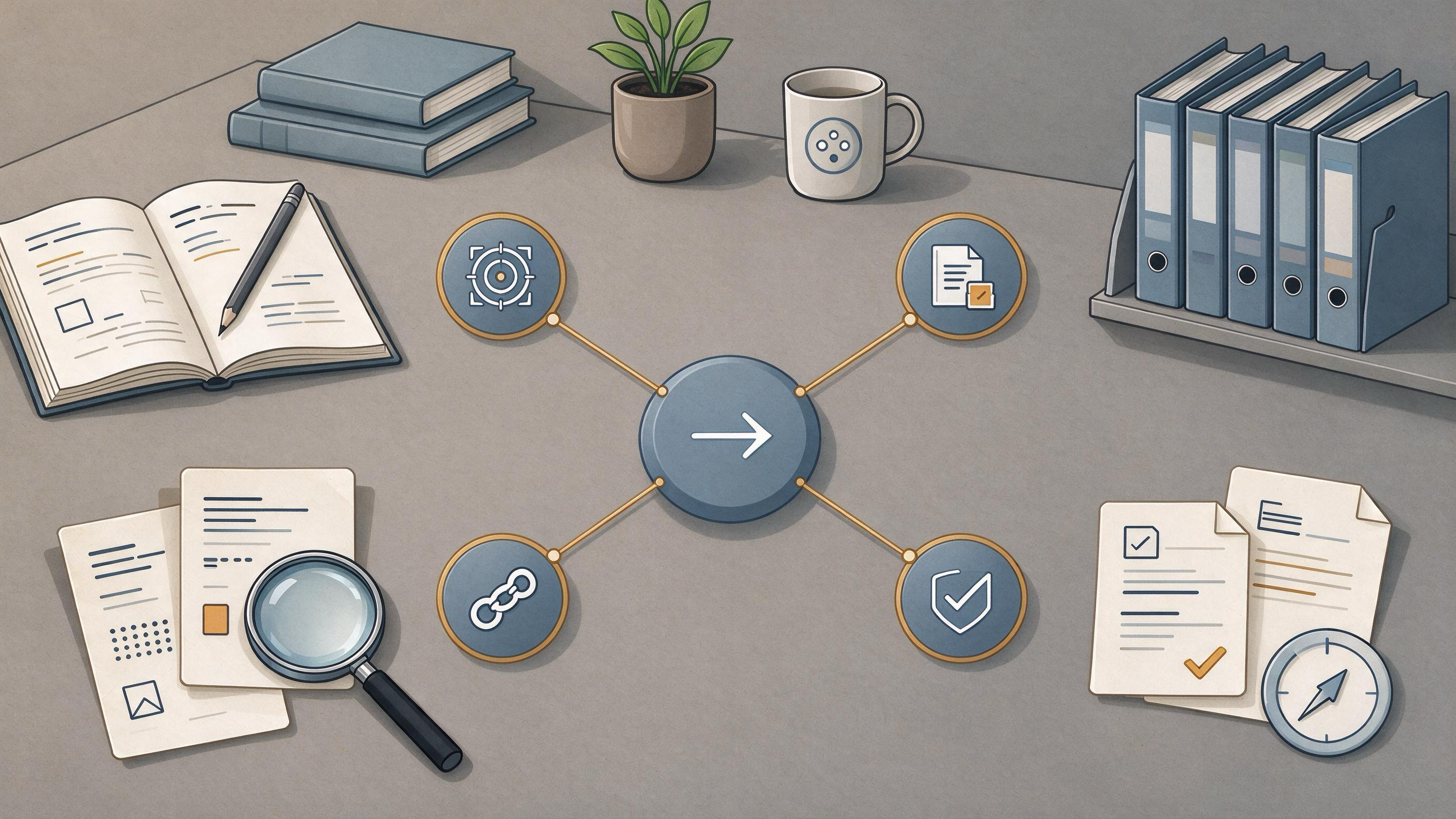
Journal Selection Workflow: Scope, Evidence, and Submission Fit
Choosing a journal is rarely a single decision. It is a workflow that runs in parallel with manuscript revision, literature scoping, and evidence organization. A practical selection process asks three connected questions

Line Editing vs. Copyediting for a Research Paper
You have a finished draft, a supervisor's comments, and a submission deadline. The question is not whether to edit the paper—it is which kind of edit comes first and what each pass should actually change. Line editing an

Main Manuscript vs. Supplementary Materials: What Goes Where When You Are Ready to Submit
Every revision season, the same question appears across coauthor threads and lab checklists: should this table sit in the main text, or should it move to the supplement? The answer rarely depends on the table alone. It d

Major Revision vs. Minor Revision: How the Workflow Changes
A revise-and-resubmit decision tells you the paper survived first review, but it does not tell you how much work lies ahead. The workflow difference is not just effort; it is the type of traceability, scheduling, and coa

Manuscript Submission Checklist: From Final Draft to Upload
You have a final draft. The next question is not “is my writing good?” but “what still sits between this document and a journal’s upload button?” That gap is concrete and checkable: format, reporting completeness, materi

ORCID vs. Author Name Matching: Choose the Right Identity Workflow for Your Evidence Brief
If you are preparing a focused evidence brief, a research update, or a team discussion, you will repeatedly hit the same fork: do you disambiguate an author through a persistent ORCID identifier, or do you reconstruct th
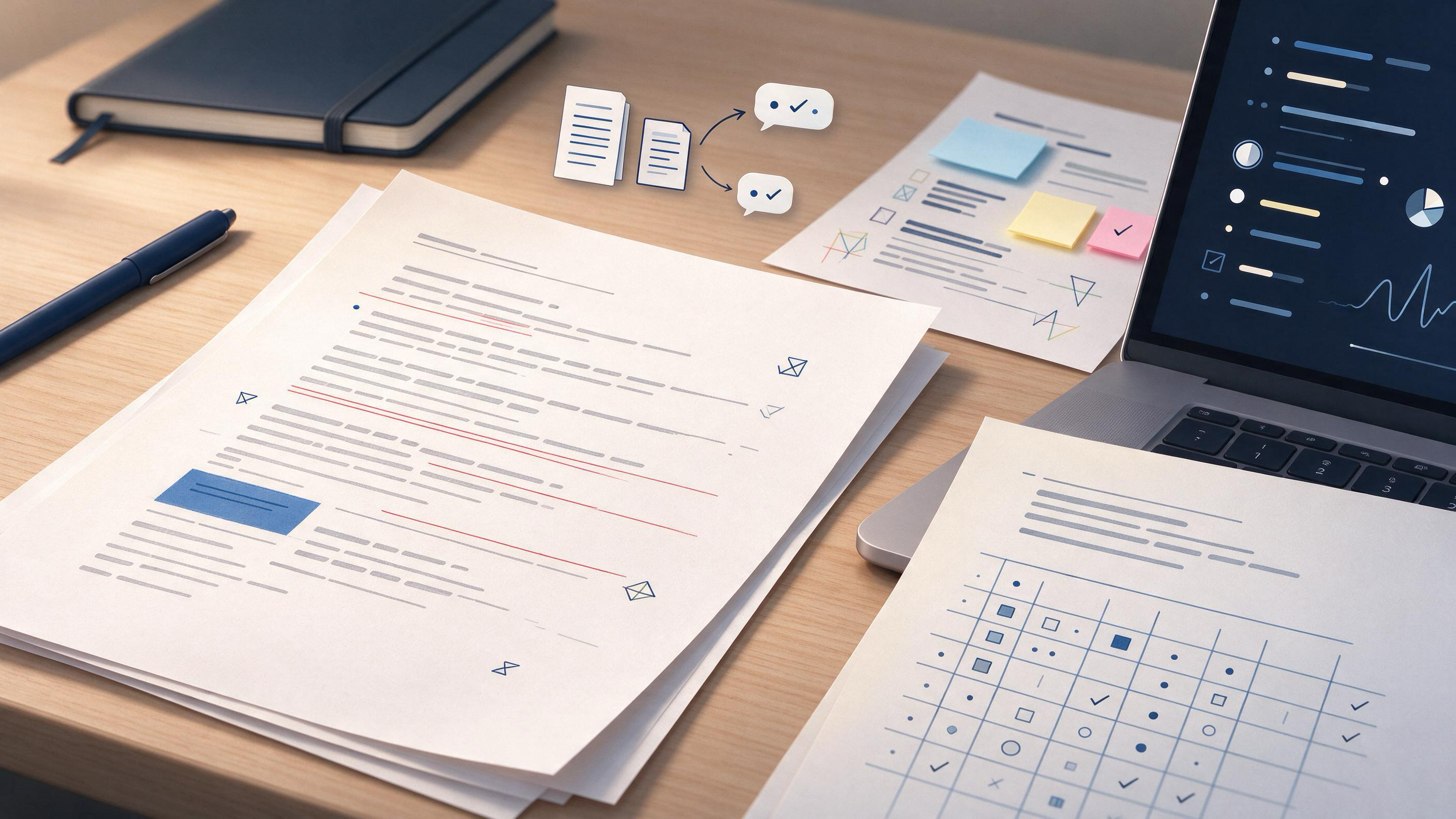
Peer Review Revision Workflow: Comments, Evidence, and Resubmission
Peer review revision is not a single editing pass. It is a workflow with three distinct jobs: reading reviewer comments as evidence, turning each comment into a documented change or counterargument, and preparing a resub