
Post-Publication Research Archive: Preserve the Evidence Trail
Finishing a paper is rarely the end of the work. The week after submission is when the evidence trail actually starts to matter: an examiner asks which database you searched on which date, a supervisor returns comments t

Project Archive vs. Active Research Library: Which One Keeps Your Next Paper Moving?
The end of a thesis chapter, course paper, or first manuscript tends to leave two things behind: a folder that feels finished and a pile of sources you might still need. Most researchers handle both the same way. They ke

Proofreading on Screen vs. Proofreading on Paper
A supervisor has just returned your thesis chapter with a note that still stings: the argument is nearly there, but the writing lets it down. You have two PDFs open, a printed stack on the desk, and no clear plan for the

Reading Backlog vs. Research Pipeline: Which One Is Blocking Your Submission?
Researchers rarely fail for lack of PDFs. Most of us have a reading stack that never shrinks and a manuscript that needs decisions, not another open tab. The question underneath “Reading Backlog vs. Research Pipeline” is

Research Limitation vs. Future Research Direction: Submit With a Credible Handoff
Editors and reviewers read the final section of a manuscript looking for one thing: can this author tell the difference between a boundary the study could not cross and a direction the field should now pursue? When those
Research Paper Abstract Guide: Structure, Evidence, and Revision
An abstract is the first calibration point between your manuscript and the reader who decides whether the full study deserves attention. Clinicians skimming a journal table of contents, systematic reviewers screening cit

Research Paper Proofreading and Consistency Audit
Proofreading a research paper is not a single pass with a red pen. It is an audit of whether the manuscript, its references, and its evidence trail all tell the same story. Reviewers rarely reject a paper for one typo, b
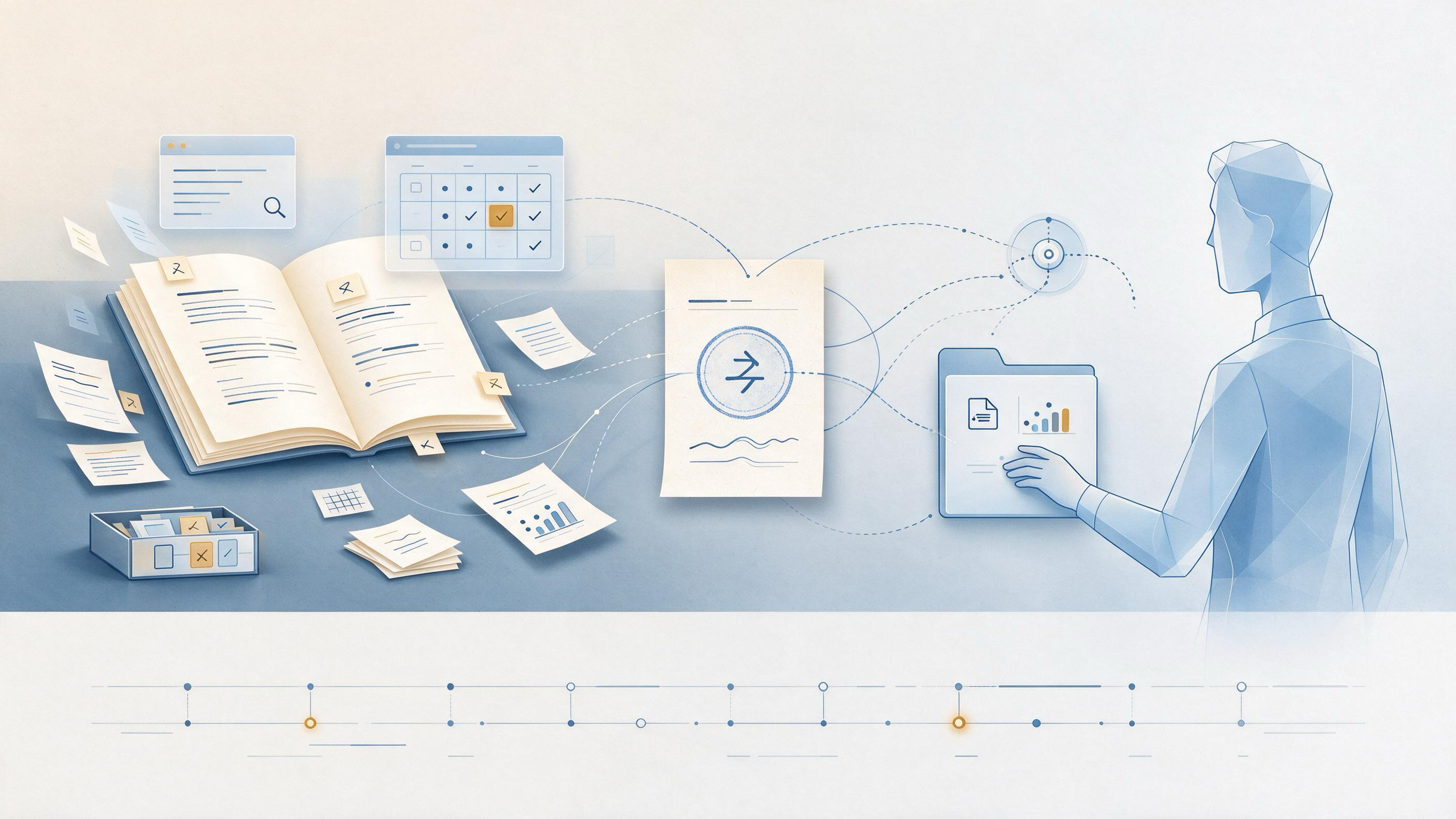
Research Project Handoff Guide for Teams and Future You
A handoff is not a favor to the next person. It is the moment you turn months of tacit method into something another researcher—or your future self—can open, understand, and continue without a private debrief. For facult
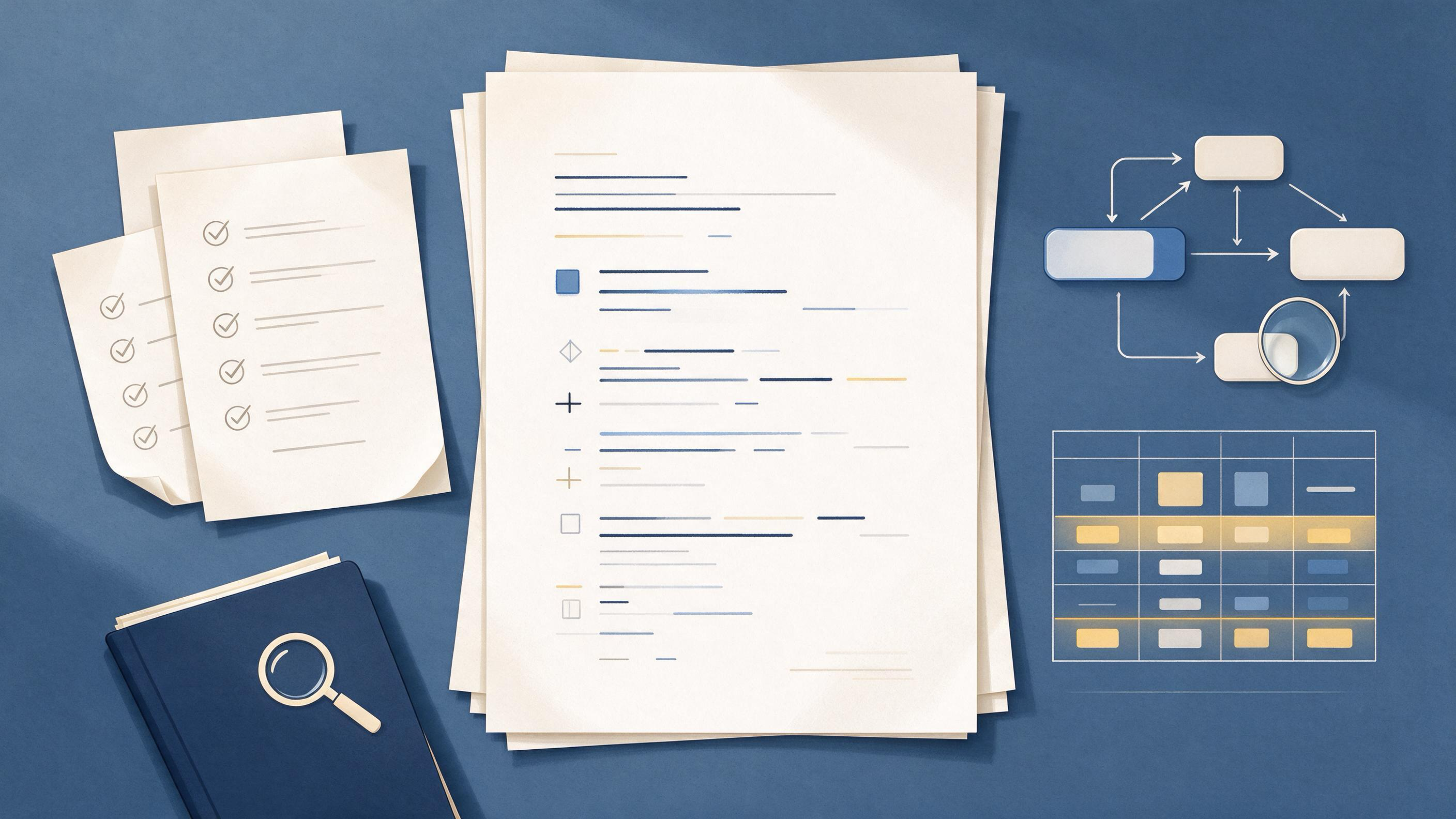
Research Reporting Checklist: Methods, Statistics, and Transparency
A reporting checklist turns a finished analysis into a manuscript an editor can actually evaluate. The central task is not "find a checklist," but match the checklist to your study design and then prove, item by item, th

Reviewer Response Letter vs. Revision Checklist: Which Artifact Keeps a Revision on Track?
You have reviewer comments in front of you and a revision deadline behind you. The immediate question is practical: do you start drafting the reviewer response letter, building the revision checklist, or both at once? Cl