

How to Use Backward Citation Searching to Find Key Papers
Backward citation searching means working from a paper you already trust and following its reference list into the older work it builds on. You are not searching a database by keyword; you are reading the citation trail
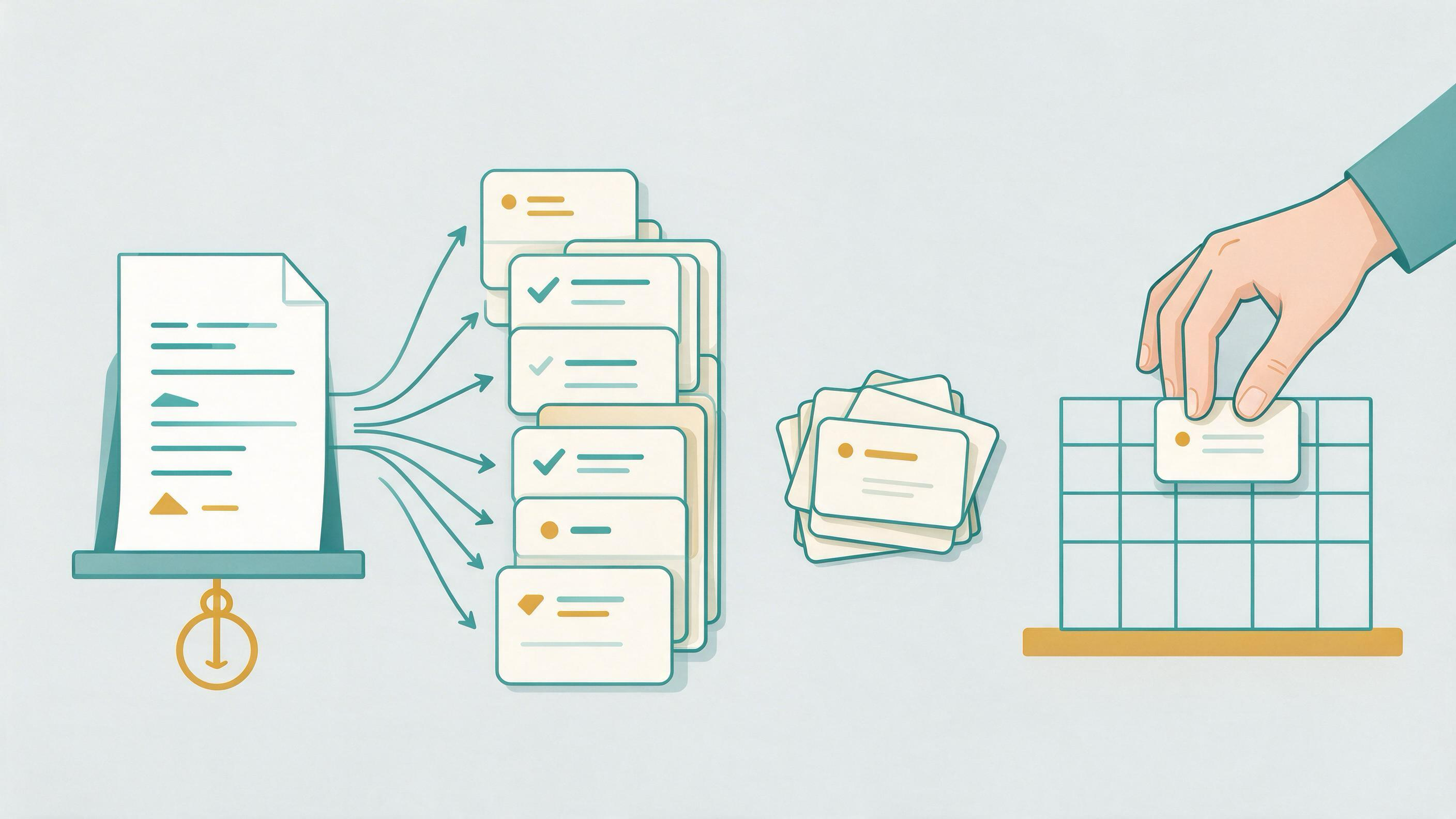
How to Use Forward Citation Searching to Update a Review
Forward citation searching answers a specific question: who has cited this paper since it was published? For a review author, that question turns a fixed reference list into a moving target. You start from the studies yo

How to Verify a Direct Quote and Its Page Number
A direct quote is only as strong as the page you can point to. When a supervisor circles a quotation and writes "source?" or "page?", the fix is not a quick reword — it is a short, repeatable verification routine that ta

How to Write a Literature Review in One Week: A Step-by-Step Evidence Workflow
A one-week literature review is not a compressed version of a year-long systematic review. It is a focused, defensible evidence brief: a clearly bounded question, a documented search, a transparent screening trail, and a

How to Write About Disagreement Across Studies: A Practical Workflow for Evidence Briefs
When two studies on the same question point in different directions, the temptation is to average them, pick the one that matches your prior, or write a vague "the evidence is mixed." None of those helps a clinical or re
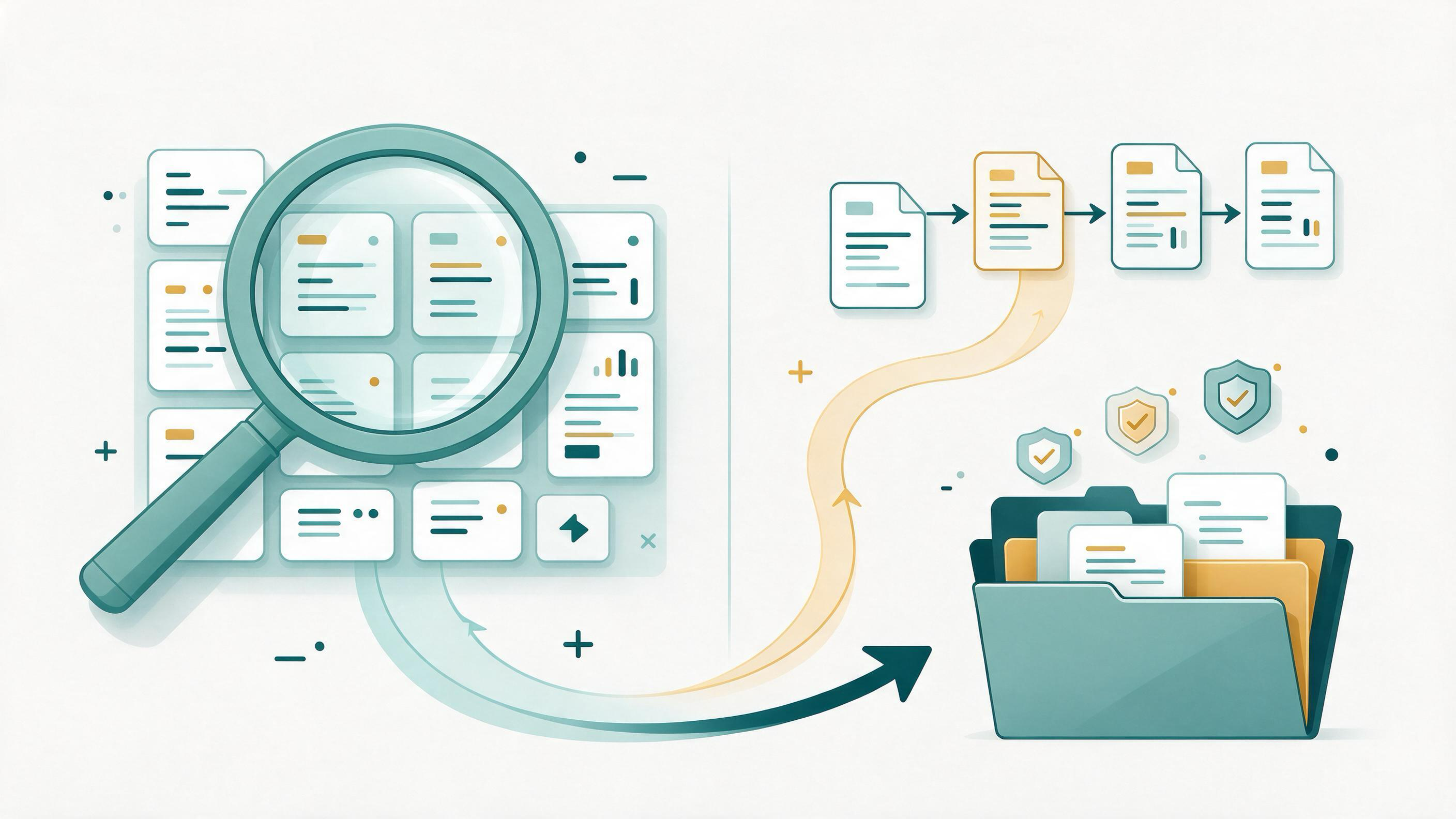
Keyword Search vs. Citation Search for Finding Relevant Papers
You have a research question, a deadline, and a report to produce. The first move most teams make is to type the question into a search box. That works for some tasks and quietly fails for others. The real decision is no

Literature Review Search Strategy: A Complete Workflow
A literature review search strategy is a documented plan that turns a research question into a reproducible set of records, screening decisions, and synthesis-ready evidence. It is not a single database query. The workfl

Literature Review Update Workflow for New Evidence
A literature review update is not a fresh search pasted onto an old draft. It is a controlled revision: you re-enter the review at the point where new evidence could change your selection, your synthesis, or your reporte

Living Review vs. One-Time Literature Review: Choosing the Right Evidence Workflow
A one-time literature review answers a question once. A living review keeps answering it as new evidence arrives. The choice is not about effort or prestige; it is about how long your answer needs to stay true, and who w

Manual Deduplication vs. Reference Manager Deduplication: Choosing an Auditable Method
You have a folder of exported records, a manuscript deadline, and a nagging sense that the same paper appears three times under slightly different metadata. The real question is not which method is "better" in the abstra