

Structured Abstract vs. Unstructured Abstract: Choosing Before Submission
Authors rarely sit down intending to write the wrong abstract. The problem is that abstract format is one of the last decisions many teams make, and by then the manuscript, the tables, and the coauthor calendar have alre

Submission Checklist vs. Reporting Guideline: What Actually Blocks Your Manuscript
If you are preparing a biomedical manuscript, two documents will shape your final submission more than almost anything else you read that week: the journal's submission checklist and a reporting guideline for your study

Table vs. Figure: Which Communicates the Result Better?
Before submitting a manuscript, most clinical researchers face the same quiet decision: should the key outcome be presented as a table or a figure? The question looks simple, but the correct answer changes depending on w

Tables and Figures Guide for Research Papers
Most teams do not fail on tables and figures because their data is weak. They fail because the visual evidence does not survive handoff: an analyst builds a chart in a notebook, a reviewer asks where a number came from,

The Editor Asks for a Reporting Checklist at Submission: How to Respond Without Stalling Your Paper
You submit what feels like a finished manuscript and get a desk-level reply you did not expect: “Please complete the appropriate reporting checklist and upload it with your revised materials.” The request often lands alo

The Journal Word Limit Is 2,000 Words Shorter Than Your Draft
You open the submission portal, paste your abstract, and then hit the word-count box: 2,478 words. The journal allows 2,000 for the main text. Now you have a compressed revision problem with a hard constraint, coauthors

The Paper Is Published but the Research Trail Is Disappearing: Rebuild Your Method Trail Before the Next Submission
Your manuscript is accepted, the DOI is live, and the citation count is starting to move. Then a reviewer for the next project asks how you built the search string from two years ago, and you realize you cannot produce i
The Reviewer Requests an Analysis You Cannot Run
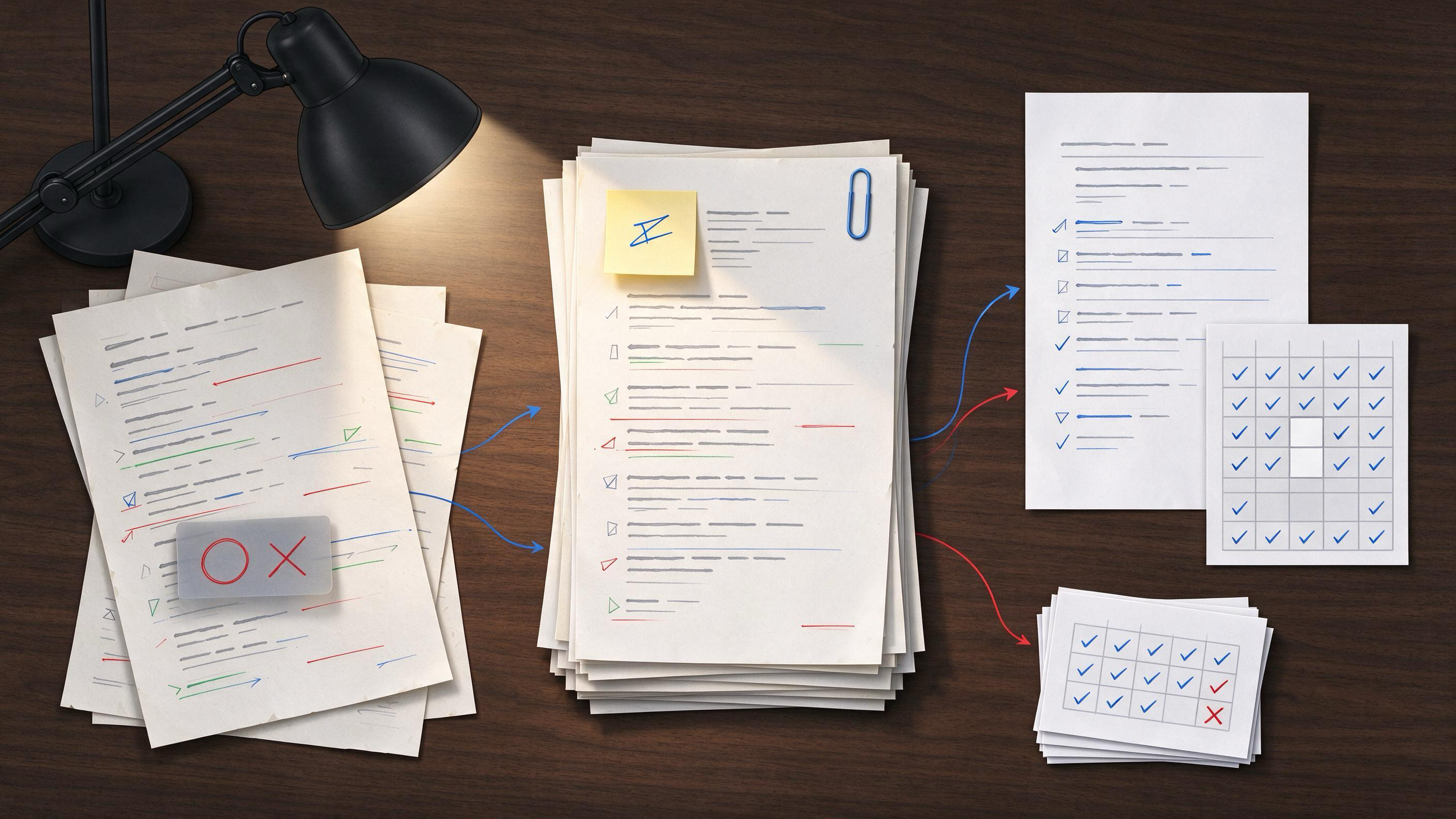
A reviewer returns your manuscript with a single sentence that stops the revision cold: "Please add a mediation analysis, a multilevel model, a sensitivity analysis, or a subgroup comparison." The request sounds reasonab
The Revised Manuscript and Response Letter Do Not Match
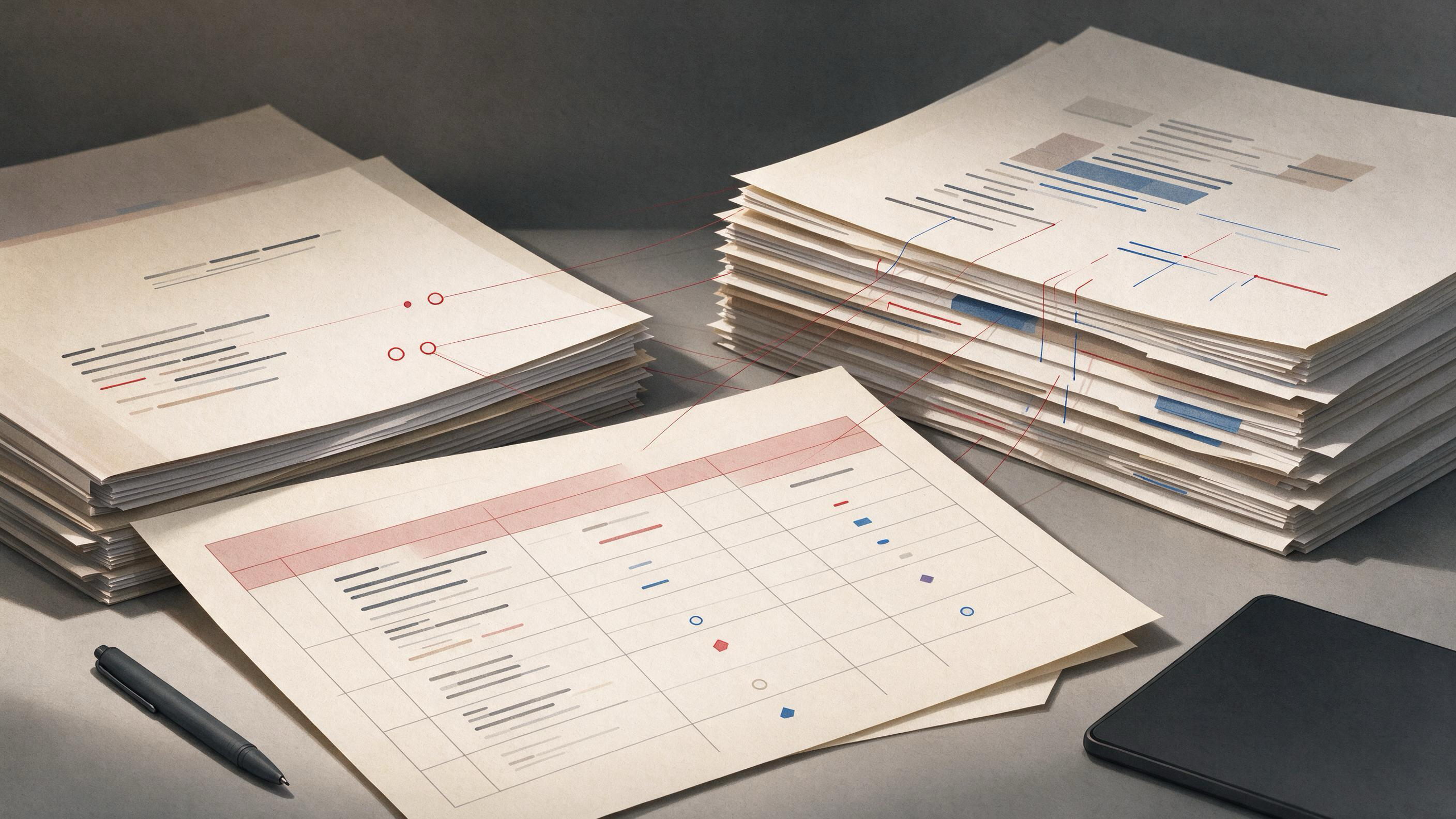
You open the reviewer comments one more time, then open the revised manuscript, and start checking off what you changed. By the third comment, something is wrong: the response letter says you replaced the old analysis wi
Tracked Changes vs. Clean Copy During Revision: Which Gets Your Paper Ready Faster?
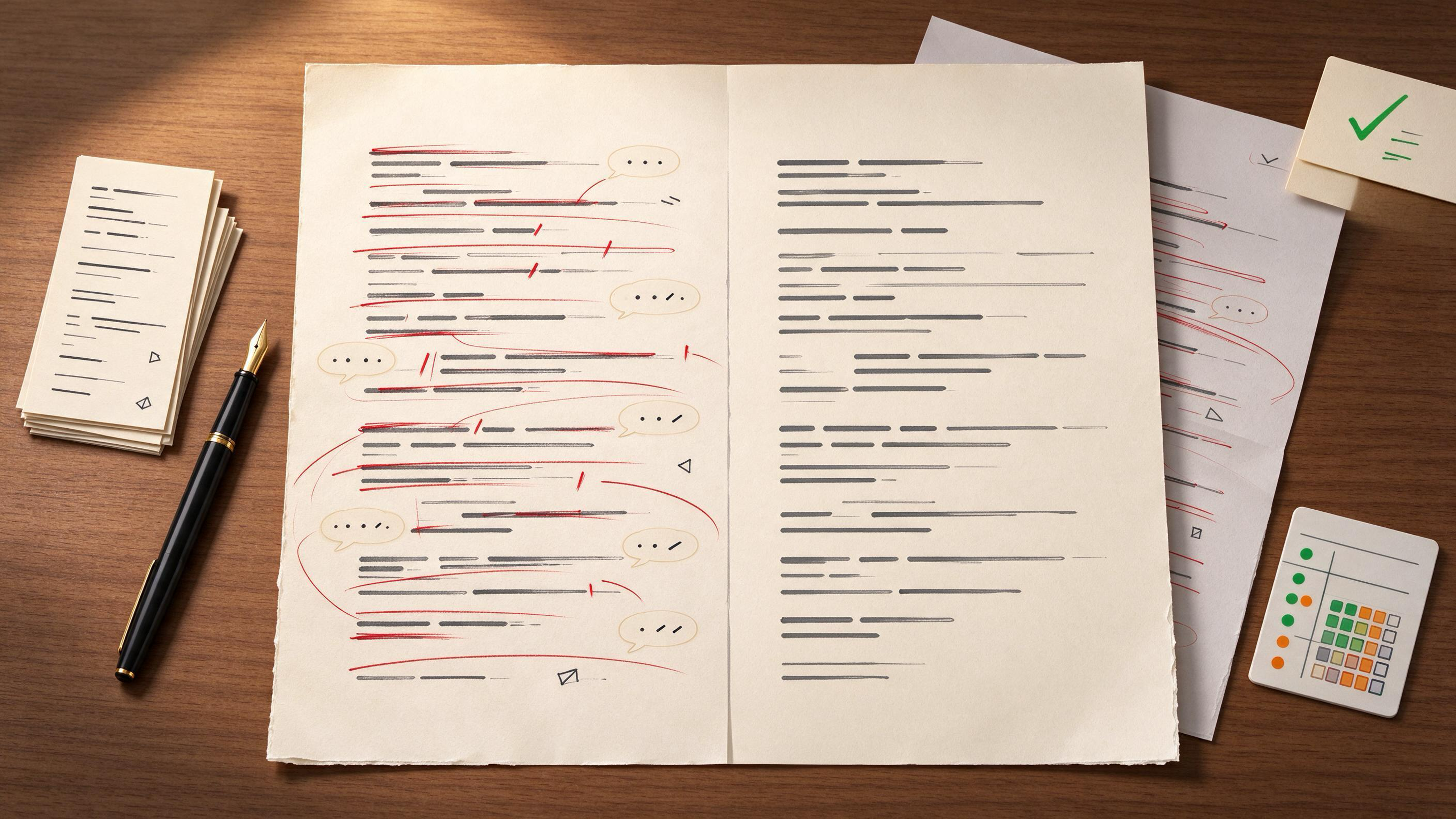
You have just finished a full chapter or manuscript draft, and the same file now has to serve two audiences at once: a supervisor who needs to see what changed, and a future version of you who needs clean, readable text