
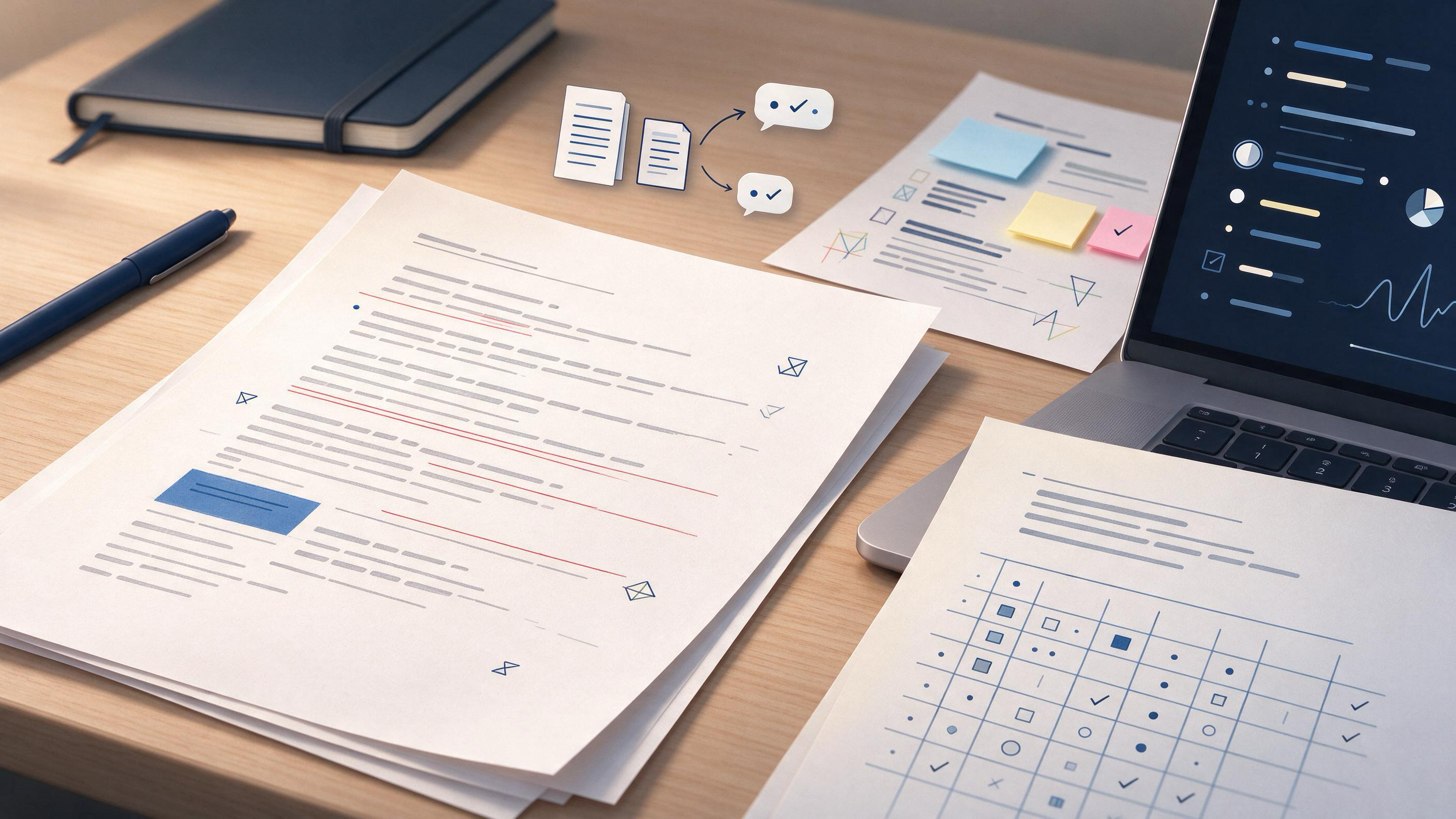
Peer Review Revision Workflow: Comments, Evidence, and Resubmission
Peer review revision is not a single editing pass. It is a workflow with three distinct jobs: reading reviewer comments as evidence, turning each comment into a documented change or counterargument, and preparing a resub

Project Archive vs. Active Research Library: Which One Keeps Your Next Paper Moving?
The end of a thesis chapter, course paper, or first manuscript tends to leave two things behind: a folder that feels finished and a pile of sources you might still need. Most researchers handle both the same way. They ke
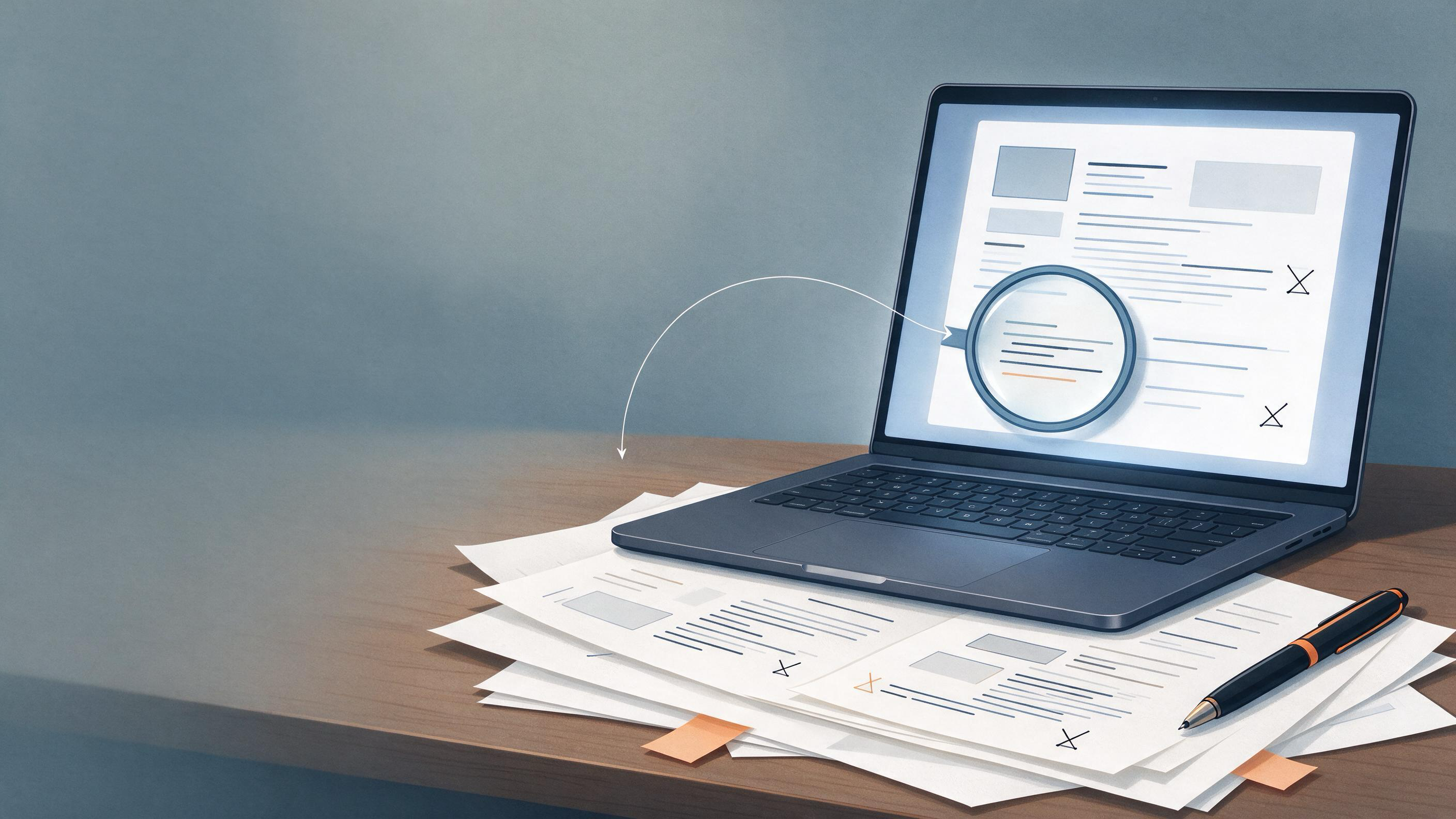
Proofreading on Screen vs. Proofreading on Paper
A supervisor has just returned your thesis chapter with a note that still stings: the argument is nearly there, but the writing lets it down. You have two PDFs open, a printed stack on the desk, and no clear plan for the
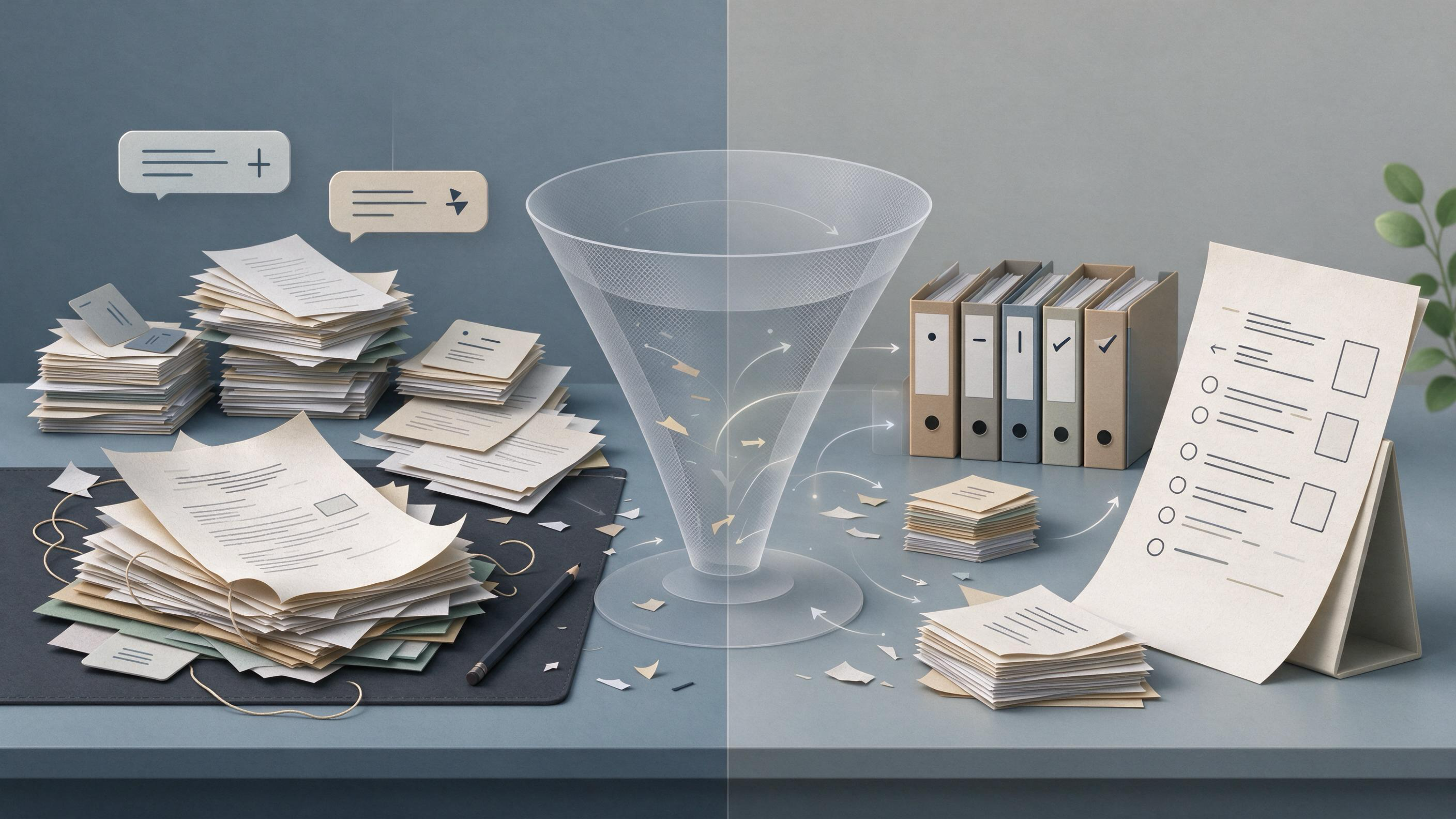
Reading Backlog vs. Research Pipeline: Which One Is Blocking Your Submission?
Researchers rarely fail for lack of PDFs. Most of us have a reading stack that never shrinks and a manuscript that needs decisions, not another open tab. The question underneath “Reading Backlog vs. Research Pipeline” is
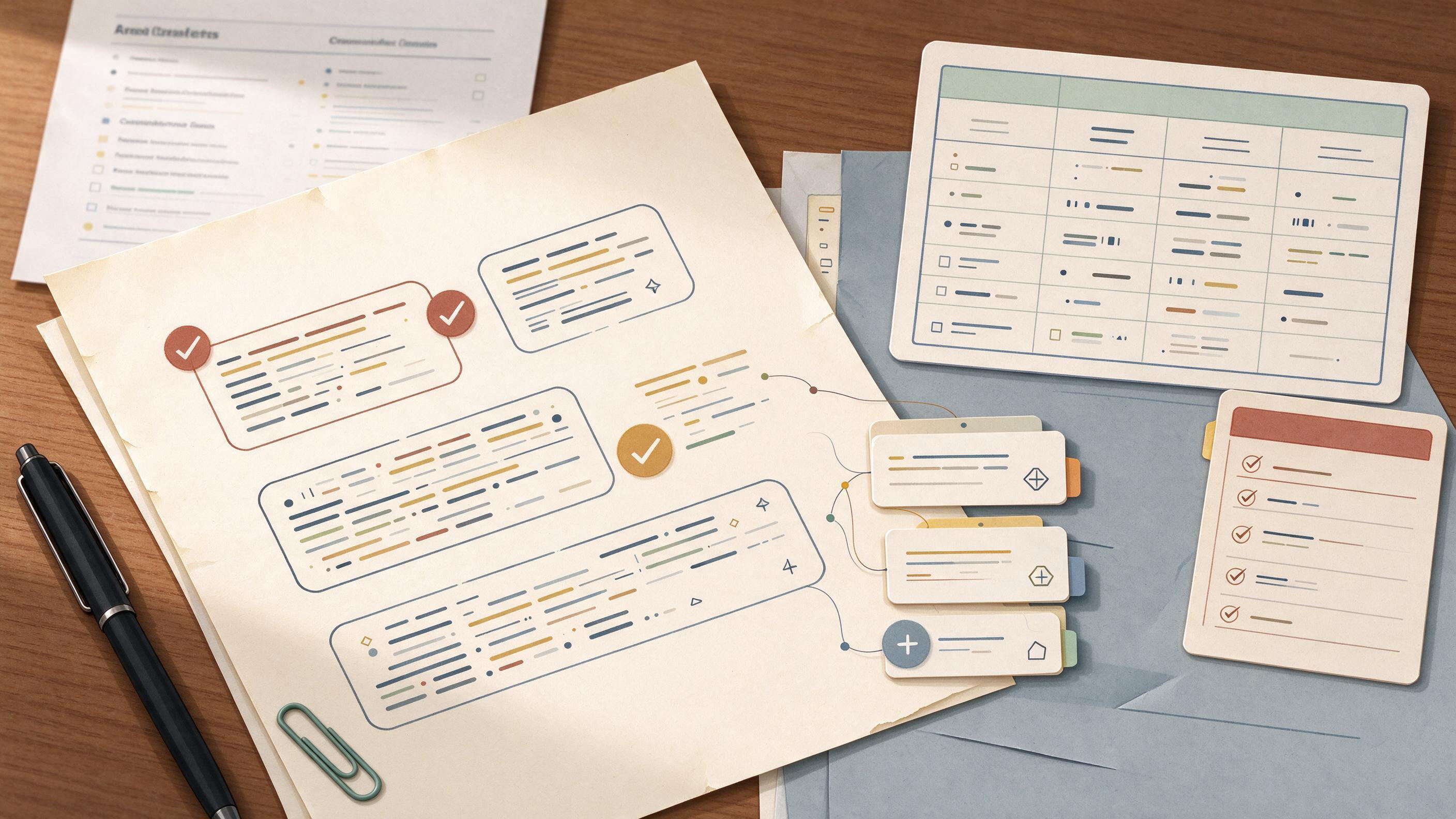
Research Paper Abstract Guide: Structure, Evidence, and Revision
An abstract is the first calibration point between your manuscript and the reader who decides whether the full study deserves attention. Clinicians skimming a journal table of contents, systematic reviewers screening cit

Research Paper Proofreading and Consistency Audit
Proofreading a research paper is not a single pass with a red pen. It is an audit of whether the manuscript, its references, and its evidence trail all tell the same story. Reviewers rarely reject a paper for one typo, b

Table vs. Figure: Which Communicates the Result Better?
Before submitting a manuscript, most clinical researchers face the same quiet decision: should the key outcome be presented as a table or a figure? The question looks simple, but the correct answer changes depending on w

Tables and Figures Guide for Research Papers
Most teams do not fail on tables and figures because their data is weak. They fail because the visual evidence does not survive handoff: an analyst builds a chart in a notebook, a reviewer asks where a number came from,

The Journal Word Limit Is 2,000 Words Shorter Than Your Draft
You open the submission portal, paste your abstract, and then hit the word-count box: 2,478 words. The journal allows 2,000 for the main text. Now you have a compressed revision problem with a hard constraint, coauthors
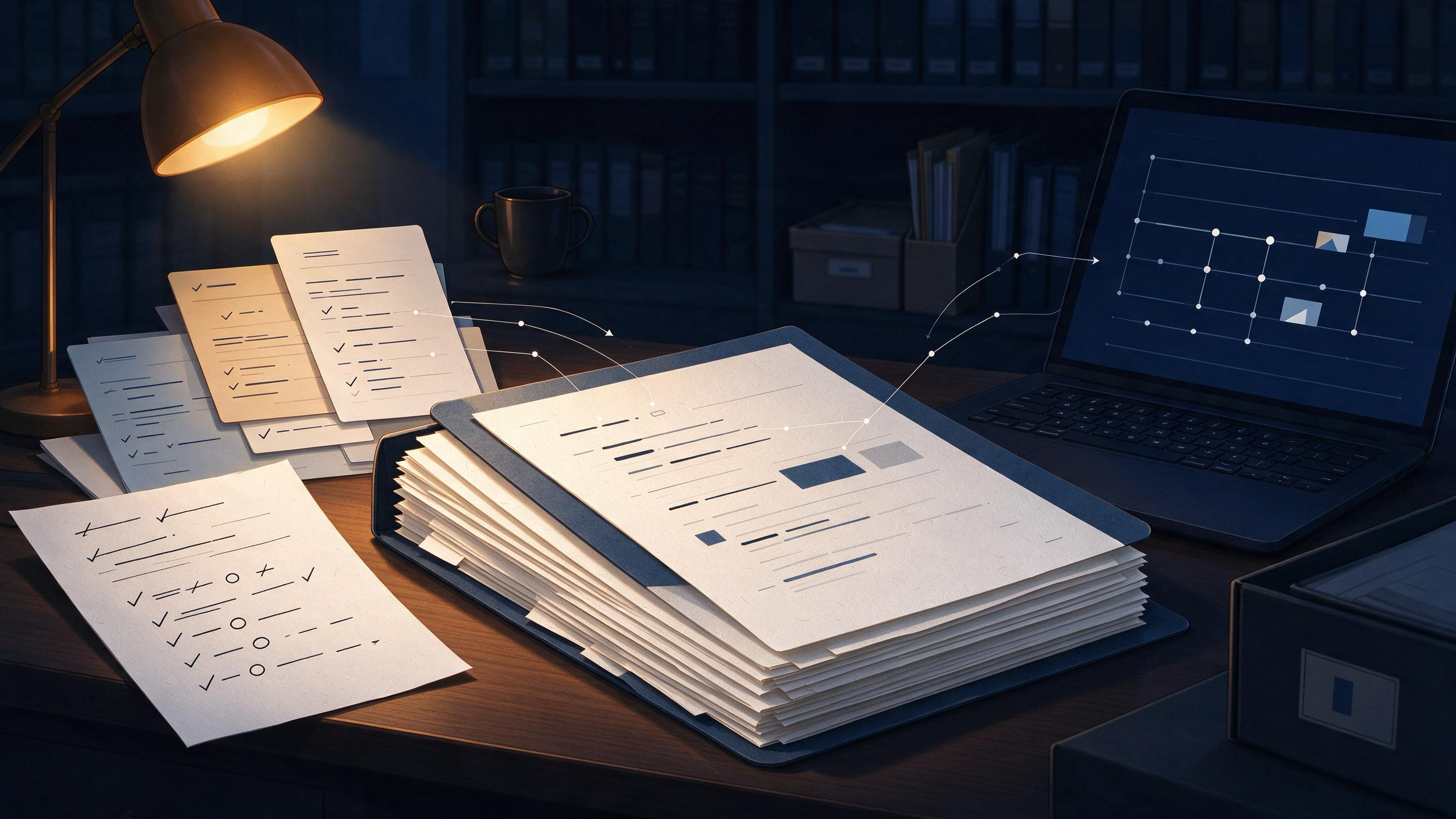
The Paper Is Published but the Research Trail Is Disappearing: Rebuild Your Method Trail Before the Next Submission
Your manuscript is accepted, the DOI is live, and the citation count is starting to move. Then a reviewer for the next project asks how you built the search string from two years ago, and you realize you cannot produce i