

Effect Size vs. P Value in Research Reporting: What a Reviewer Actually Looks For
A p value answers one narrow question: how surprising is this result if the null hypothesis were true? An effect size answers a different and often more useful question: how large or meaningful is the observed difference
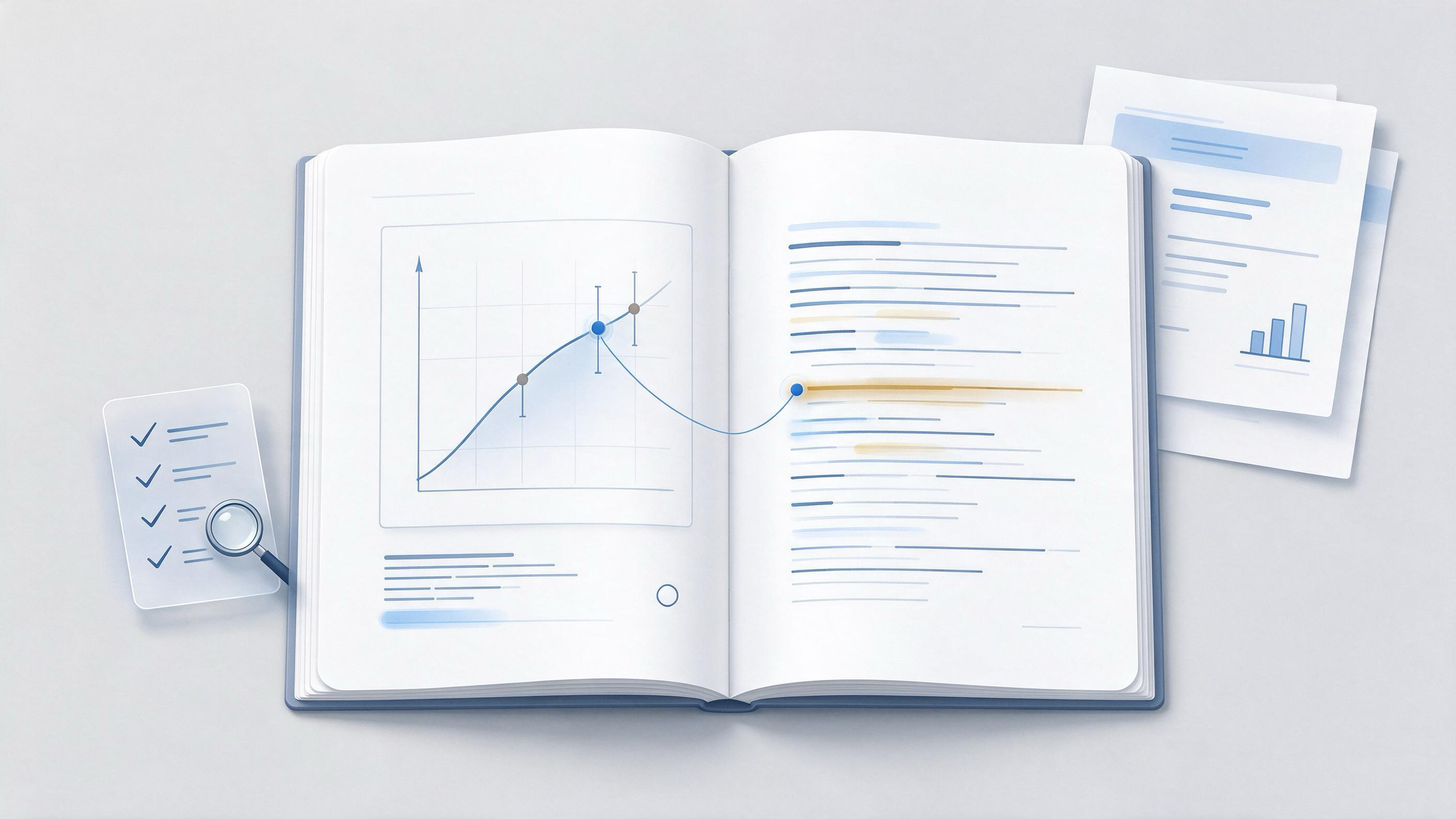
Figure Caption vs. Results Paragraph: What Each One Must Carry in a Submission-Ready Manuscript
You are deep in revision, and the editor's or coauthor's comment says nearly the same thing in two places: “This figure is not explained in the text” and “The results paragraph just repeats the caption.” Both comments po

How to Add New Evidence During Manuscript Revision
Revision starts the moment a draft leaves your desk and returns with notes in the margin. For students and early-career researchers, the most difficult revision request is rarely "shorten this paragraph" or "fix the p-va
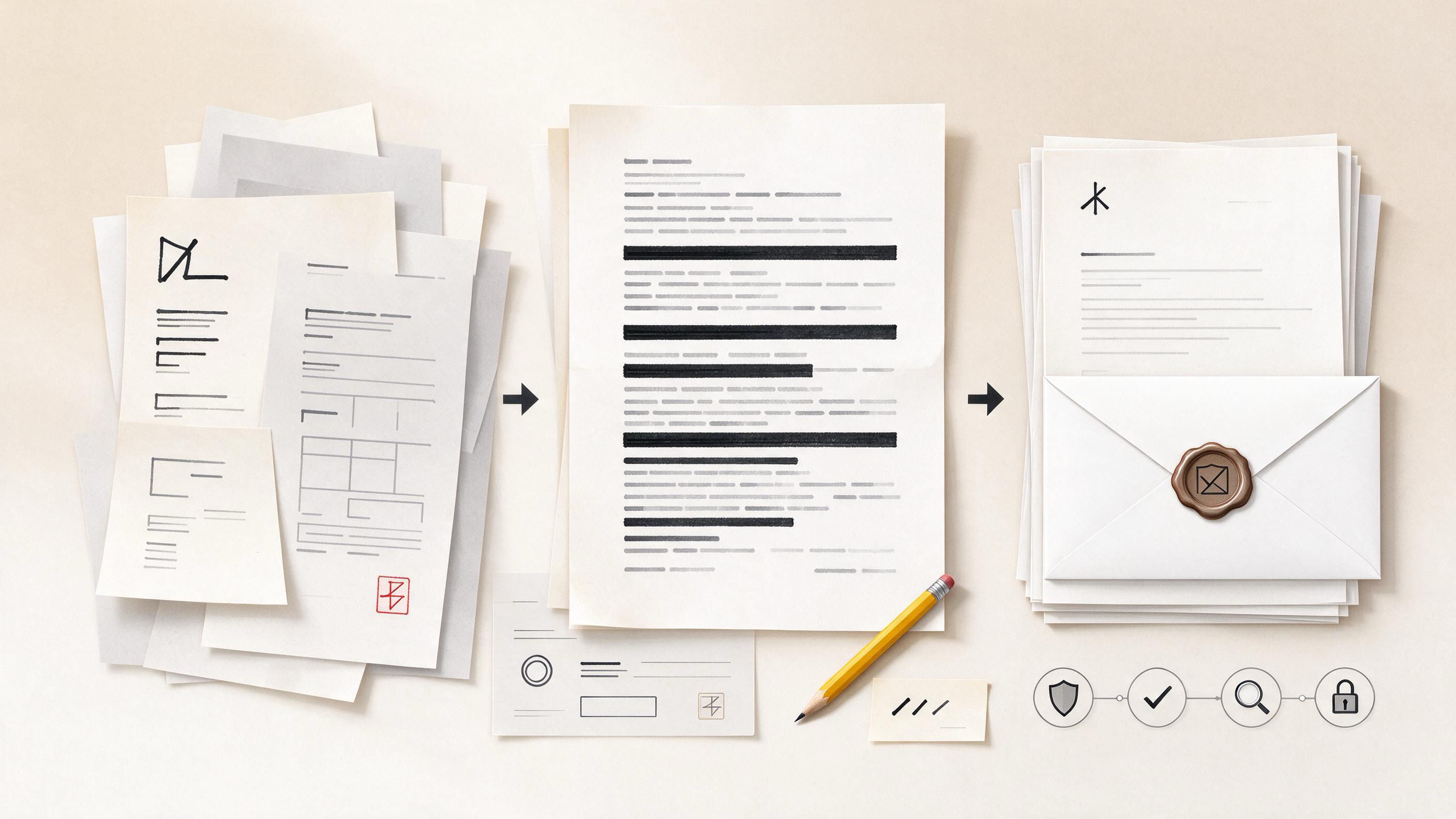
How to Anonymize a Manuscript for Double-Blind Review
Double-blind review fails quietly. A manuscript can pass a journal's technical check yet still expose the author team through a project name in the methods section, a grant number in the acknowledgments, file metadata, o

How to Archive Decision Letters and Revision Files for Your Next Paper
Your folder of decision letters, reviewer comments, and revision files is not a graveyard of past submissions. It is the raw material for the next project: evidence of what reviewers in your field actually ask for, a rec
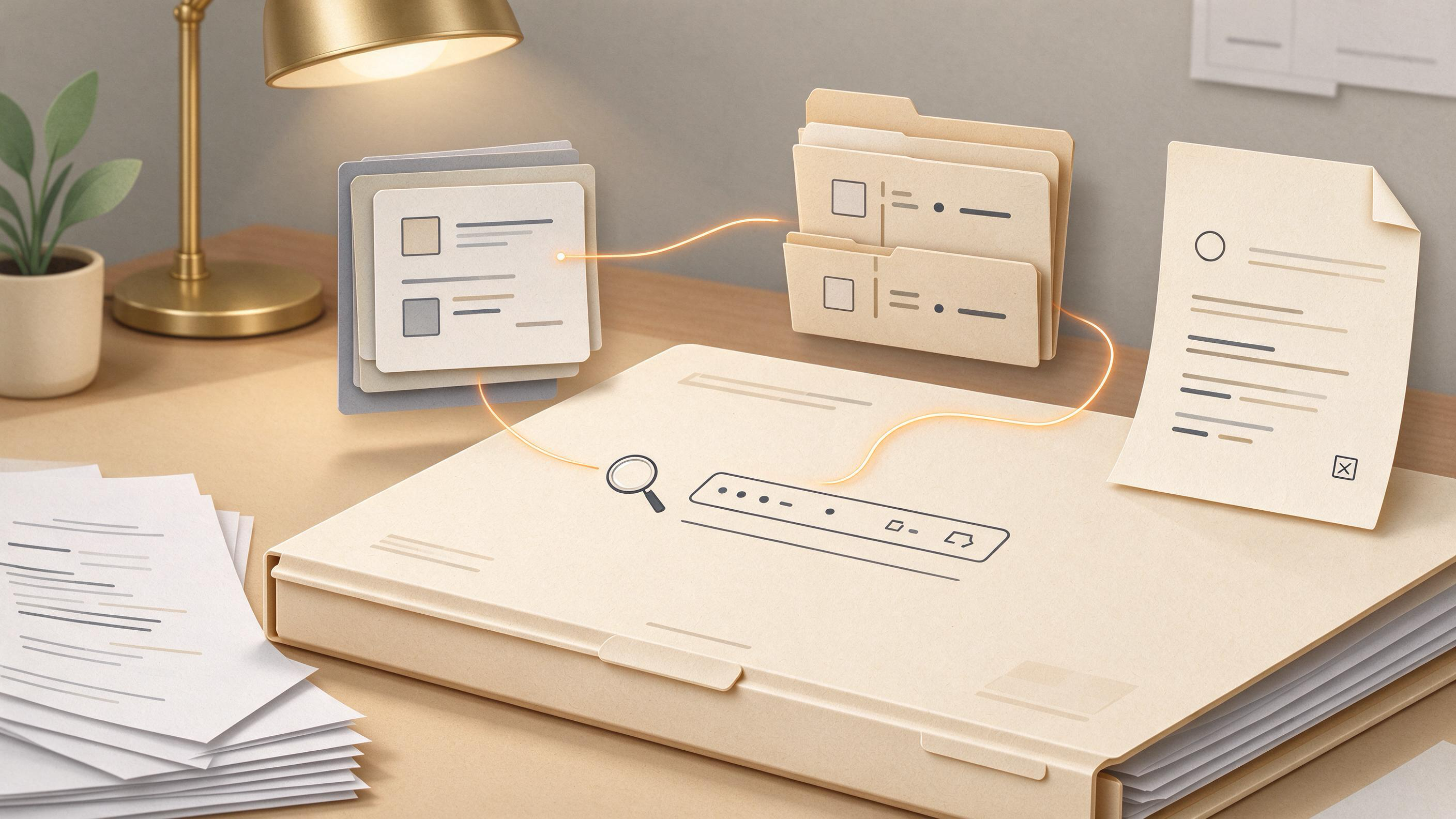
How to Archive Searches You No Longer Need
Most researchers do not lose a literature search because the database stopped working. They lose the *why*. Six months after a screening pass, the folder is still there, but the connection between the eligibility criteri
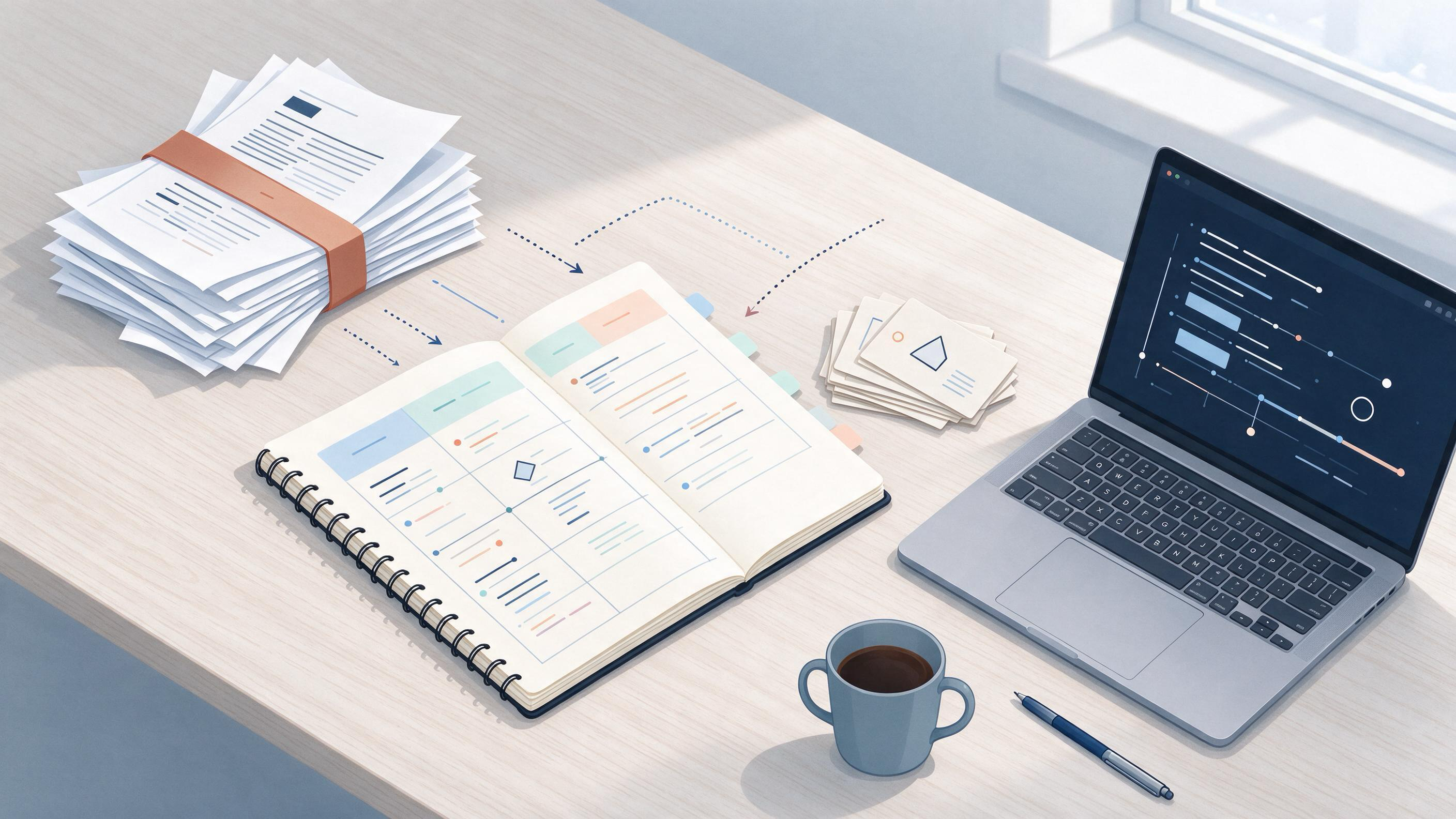
How to Build a January Reading Plan from Your Research Backlog
A research backlog rarely fails because you stopped caring. It fails because it has no shape: forty open tabs, a folder called “to read eventually,” three supervisor comments you half-remember, and a stack of PDFs that n
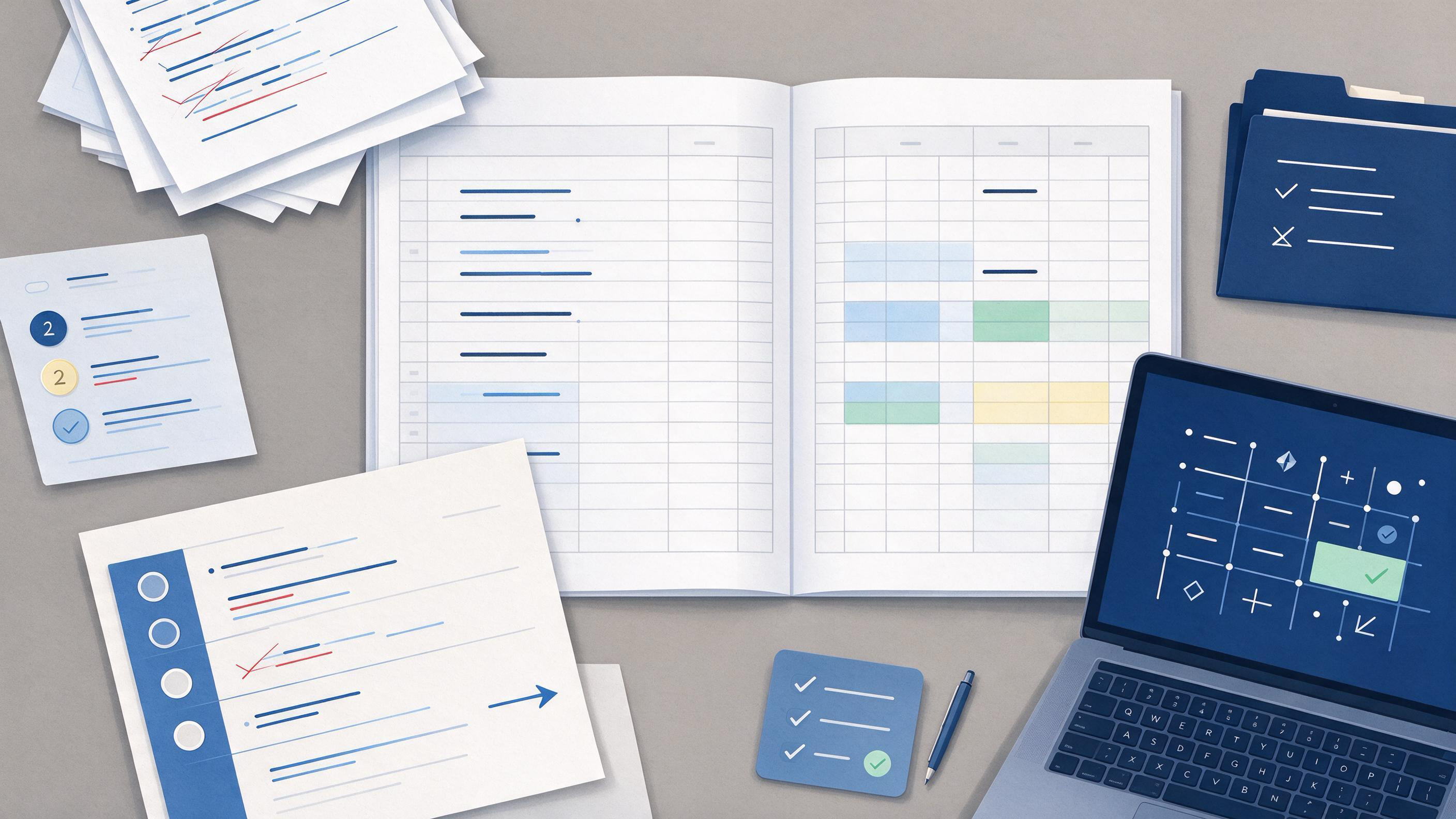
How to Build a Response Matrix for Reviewer Comments
You have a decision letter open in one tab, a marked-up manuscript in another, and a growing list of comments that do not map cleanly onto a single revision. Before you touch the draft, stop and build the artifact that w

How to Build a Submission-Day Timeline
A submission-day timeline is a reverse-planned schedule that turns the final push of a manuscript into a sequence of checkable handoffs. The goal is not to describe the ideal manuscript in the abstract, but to know, on a
How to Build an Abbreviation List and Remove Undefined Acronyms
A manuscript returns from coauthors with comments in the margin: one asks what FMT means in the methods, another flags that ANOVA appears on page 6 without ever being spelled out, and a third notes that the abbreviation