
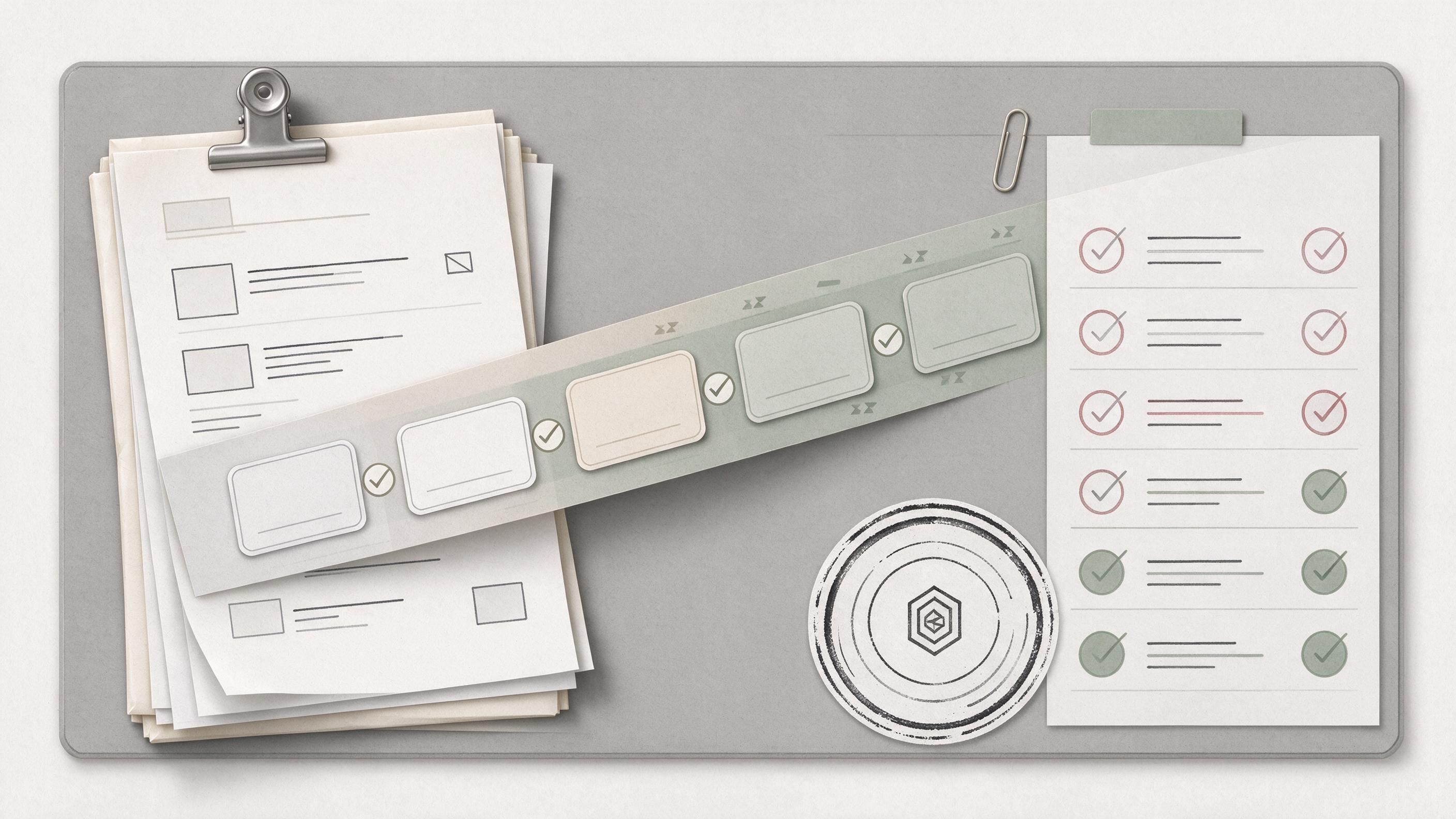
How to Collect Final Approval from Every Coauthor
Final approval from every coauthor is the last gate before submission, and it is usually the step where manuscripts stall. The practical question is not whether coauthors agree in principle. It is whether you can produce
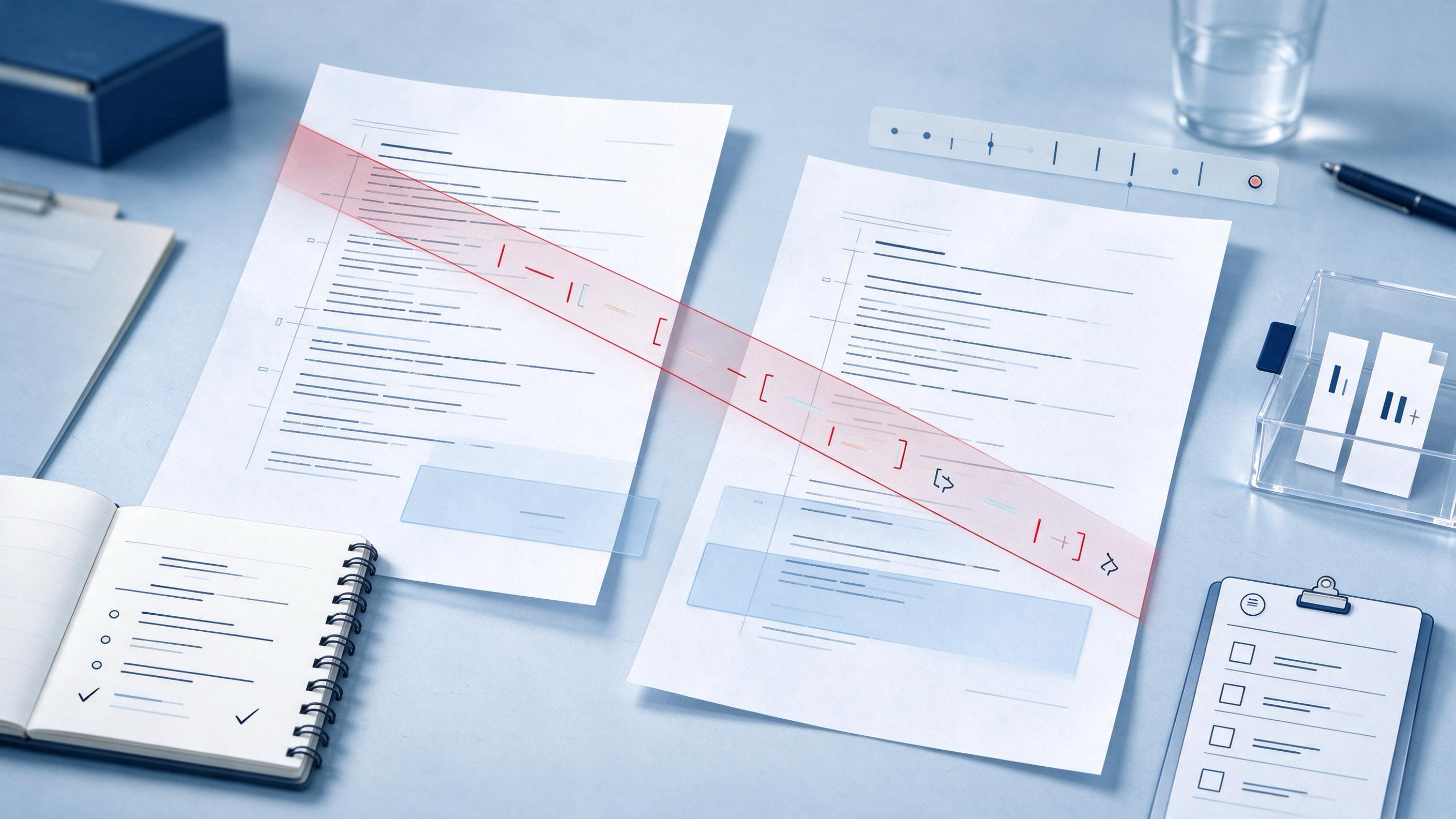
How to Compare Manuscript Versions Without Missing Changes
Before a manuscript is ready to submit, revise, or share with a study team, the practical question is rarely “which file is newest.” The real question is: which changes matter, what evidence supports them, and are any de

How to Conduct a Year-End Research Project Inventory
A year-end research project inventory is a structured review that turns a scattered collection of half-finished analyses, saved PDFs, and conference notes into a clear picture of what is ready to submit, what needs revis
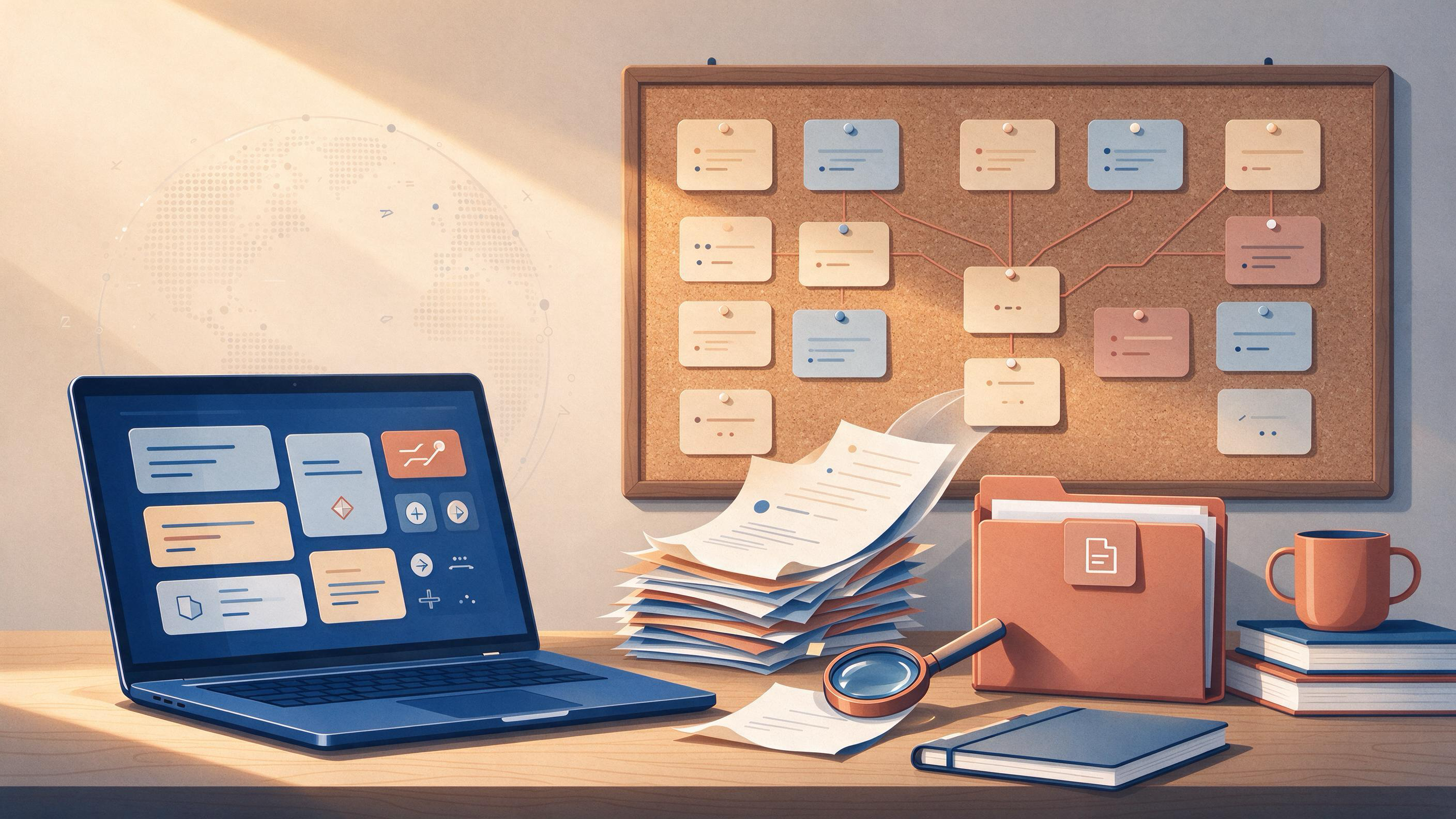
How to Consolidate Research Notes at the End of a Project
You have spent months collecting sources, highlighting PDFs, typing marginal comments, and pasting snippets into documents. Now the project is finishing, and the raw material has become its own problem: the same study ap

How to Create a Restart Note That Actually Moves Your January Research Forward
Most restart notes fail before January ends because they list intentions without a handoff. A useful restart note tells your future self what was finished, what is uncertain, where everything lives, and what the first wo
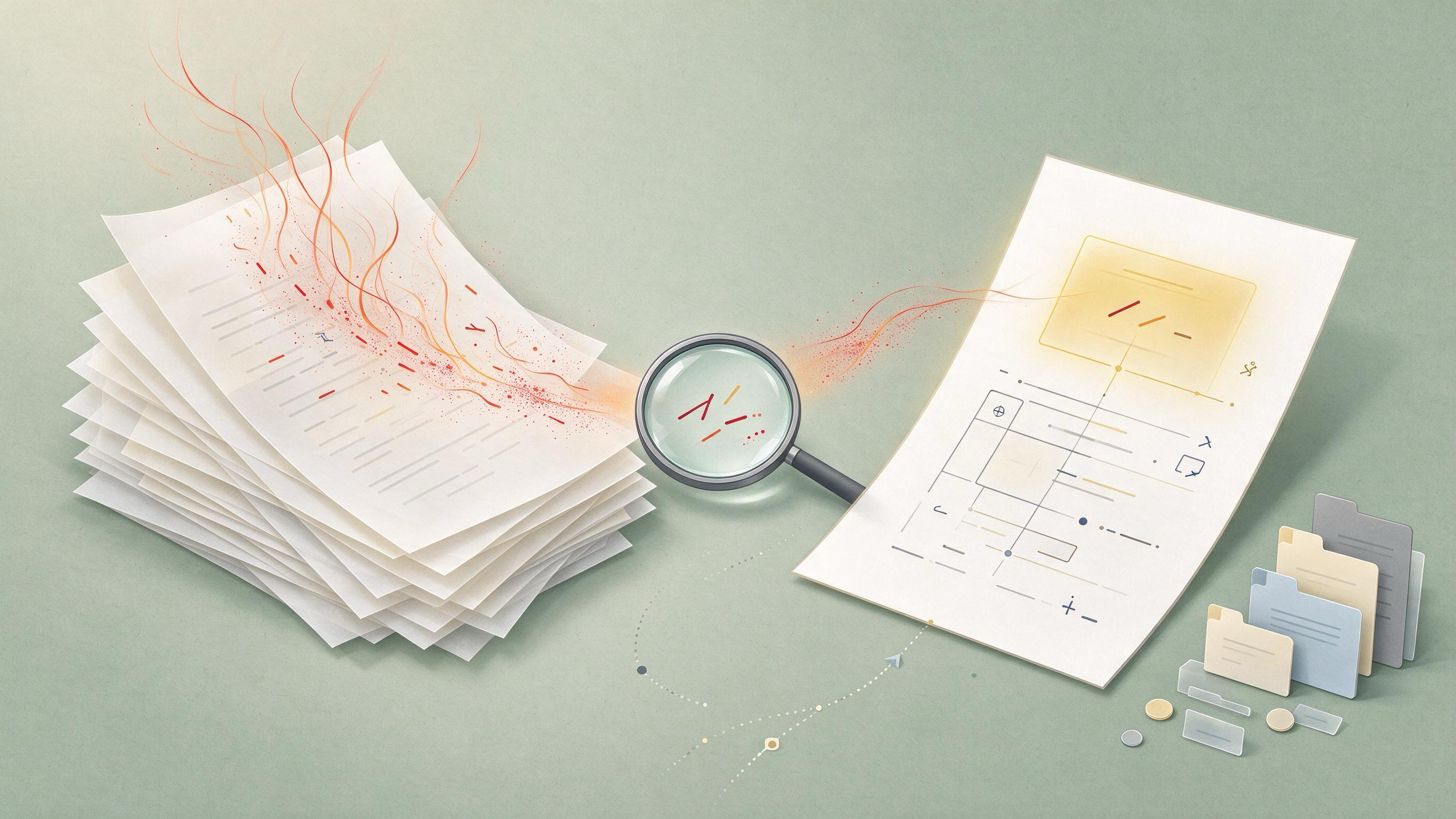
How to Cut a Research Paper to the Journal Word Limit Without Losing Your Argument
Most word-limit problems are not writing problems. They are selection problems. You have more material than the journal wants, and the real task is deciding which 20–30% of the paper carries the argument and which materi

How to Decide Which Research Project to Pause
Deciding which research project to pause is not a single binary choice. It is a portfolio decision made under constrained time, attention, submission deadlines, and funding. The goal is to stop work on the project that c

How to Hand Off an Unfinished Research Project
Handing off an unfinished research project fails most often because the person receiving the work cannot reconstruct what the original researcher knew. A clean handoff is not a polished document; it is a decision-ready p

How to Name and Organize Files for Journal Submission
You are finishing a course paper, a thesis chapter, or your first manuscript, and the draft exists in a folder somewhere. The writing is done. What often still separates a stressful submission from a smooth one is how th
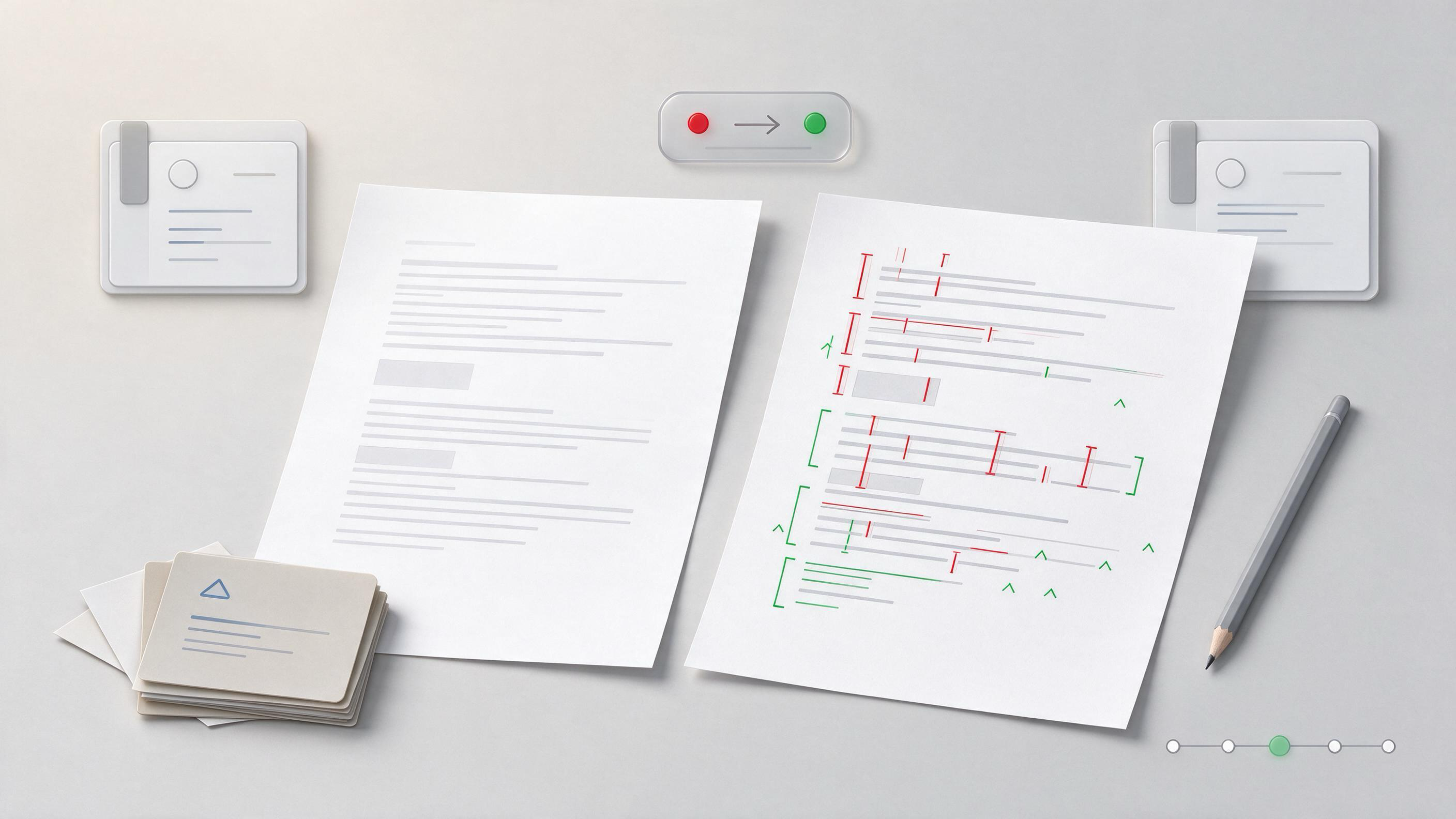
How to Prepare a Clean Manuscript and a Marked-Up Version
Most journals now ask for two files at the same time: a change-marked manuscript showing where reviewers’ comments were addressed, and a clean copy with the tracked changes accepted. Getting this pair wrong causes desk r